

Basement Waterproofing Marysville
Basement waterproofing in Marysville for I-5 corridor homes between the freeway and the Snohomish River delta that show slab-edge wetting and pump overload when soils stay saturated through winter — inspection first, then drainage and discharge sized to that load.


Engineering-first, NDS-certified drainage
On every job we first sort out whether the slab-edge joint is weeping, the existing sump is falling behind in winter, or both. Then we lay out NDS-certified collection and a discharge route that gets the water off the lot. Our crews run out of Lynnwood, and the inspection comes before any price.
Slab-edge wet and pump-overload clues you can map
Pick the symptom that matches your basement after weeks of winter rain.
I-5 corridor and delta-edge living-space moisture
Homes between I-5 and the Snohomish River delta often see slab-edge wetting and pump overload when soils stay saturated through winter — we isolate that path before we dig.
Most basement waterproofing Marysville calls are about a finished or storage room that will not stay dry when corridor soils push at the wall–slab joint and the existing pump cannot clear the season. Exterior membrane at the footing is a different job; if that turns out to be the need, the link further down sends you to it.
On North Snohomish I-5 corridor parcels, sustained winter rain keeps fine soils charged between the freeway grade and the river-delta edge. Cold joints and the wall–slab seam are where that water shows up first. A pump that runs almost constantly in January but still leaves a wet ring at the edge usually means capacity and discharge timing, not a one-hour roof dump.
Start with the wet map. A damp band along the slab edge after multi-week saturation points to joint load under soil charge. Continuous basin cycling with residual edge wet means the mechanical side is undersized or dumping back onto charged ground. Seeing both on one visit means collection and discharge get planned together, in order, and a wall coating will not help.
You can compare every system type on the drainage systems hub; the Field Manual guides at the end of this page explain the wet-floor patterns in more depth.
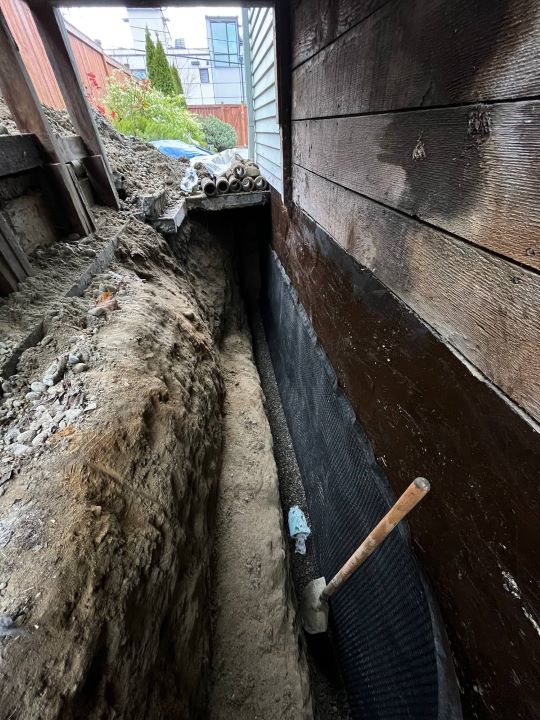
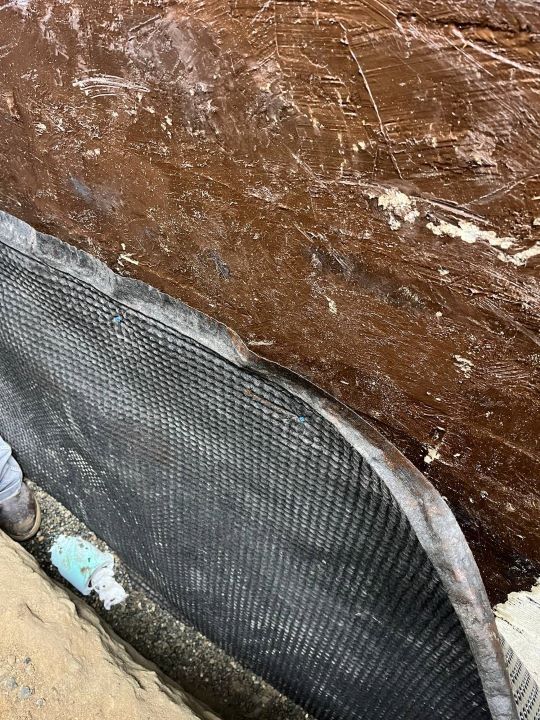
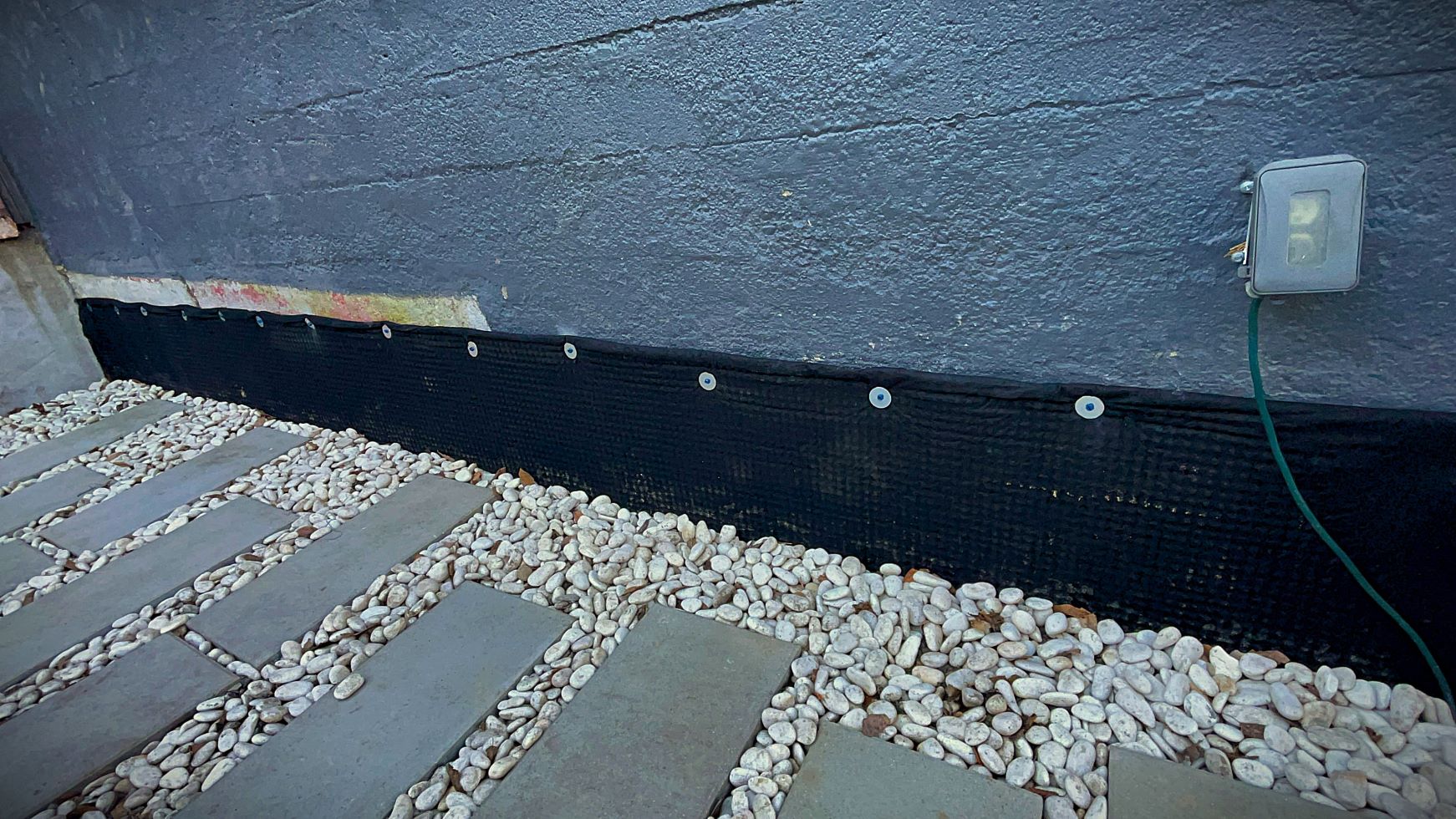

What slab-edge wetting looks like in a Marysville winter
Four loads explain most wet basements in this area; the inspection tells us which ones your house has.
Slab-edge joint load under winter soil charge. After weeks of rain, charged soils between the freeway corridor and the river-delta edge push at the wall–slab seam. That load shows as a wet ring or cold-joint damp on a winter calendar — not after a single sprinkle.
The basin and discharge line fighting the season. A basin that is too small, a pump without backup, or a line that dumps back onto saturated soil next to the house means the mechanical system is fighting winter charge. We size and route discharge so water leaves for good.
Corridor grade and short daylight paths. Lots between I-5 and the delta often have limited fall for surface water. If the water has nowhere to drain off the lot, it soaks back into the same spot every long wet stretch.
Mixed slab and wall-base entry. Edge wet with little staining higher up often means joint load first. If a wall is the main leak and the side yard is open, exterior work can still follow once the interior collection plan is set.
Drainage sized to the slab-edge load
The system follows the way water gets in on your lot — at the slab edge, through an overworked pump, or both.
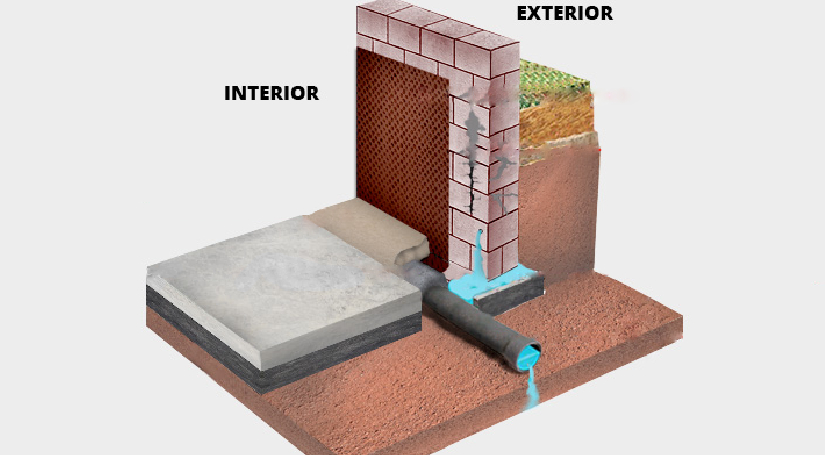
Interior drainage & basin
Wall-base and sub-slab collection when slab-edge charge or limited exterior access is the main load — common on tight corridor lots.
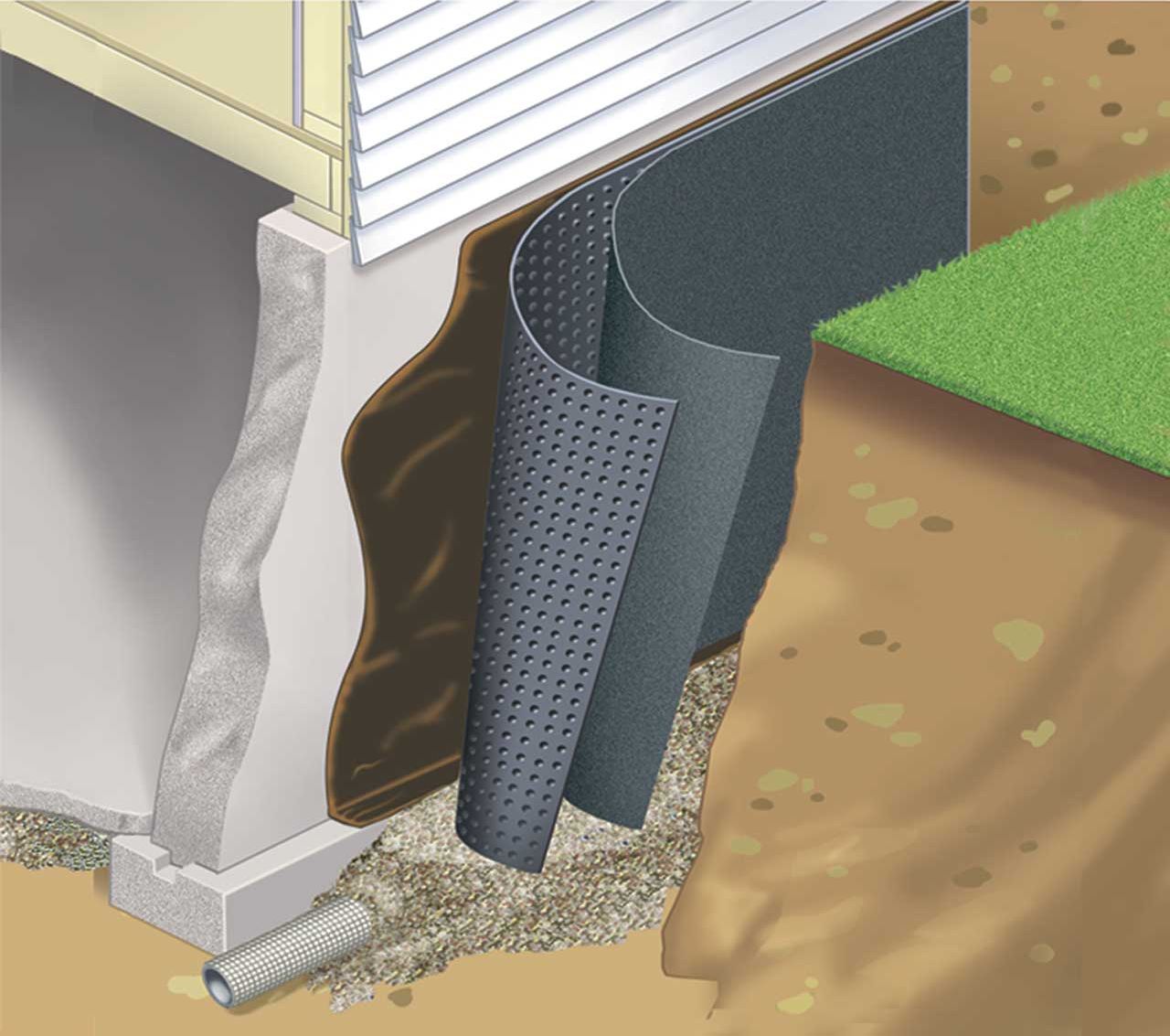
Exterior membrane & drain tile
Excavation and wall-side drainage when primary wall seepage needs to be stopped at the source — scoped when access and the wet map support it.
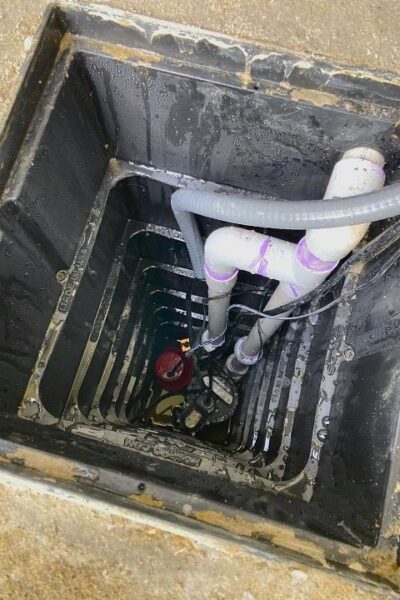
Pump & discharge fixes
Basin sizing, backup power, and discharge routing when the pump runs hard all winter and still leaves slab-edge damp.
What we map on I-5 corridor lots before we dig
No single product goes on every call. We map slab-edge charge and basin capacity first, then scope only what the house needs.
A visit usually starts outside: where the downspouts actually empty, whether the yard falls toward the delta side or back at the foundation, and how long water sits on the lawn after a January storm. Inside, we line the wet ring at the slab edge up against the rain dates, open the existing basin to see how fast it refills, and follow the discharge line to find out whether it empties onto ground that is already saturated. If one wall weeps on its own, we also check whether there is room to dig along it. The written scope names each piece — interior collection, exterior work, pump and discharge changes, or an order for doing several — and what each one is expected to fix.
The basements we get called back to are usually ones where a coating was rolled onto the wall or cracks were injected one at a time, with no plan for where the water goes next. When delta-edge soil is loading the wall–slab seam, catching that water and getting it off the lot comes first. When a single uphill wall seeps and the yard leaves room for a trench, digging on that side may last longer. When a driveway, a slab patio, or a close property line rules out digging, an interior system usually does the work of keeping the room dry.
Basement waterproofing in Marysville gets priced only after we have seen how the house is wet in winter. If the real need is excavation and a footing-level membrane — protecting the foundation wall itself rather than drying a finished room — we point you to that service instead of stretching this one to fit.
Basement living space vs footing-level membrane
Use this page when the problem is a damp finished room or storage floor — a wet ring at the slab edge, a basin that cannot keep pace in January, or water that shows up after weeks of rain on corridor soils. Membrane work at the footing and structural footing drains are a separate crew and a separate dig, and we quote them on their own.
Neighborhoods we commonly serve
I-5 corridor, delta-edge, and inland Marysville lots share winter soil charge — two houses on the same street can still need different fixes.
Across Marysville we regularly work near I-5 corridor blocks, parcels toward the Snohomish River delta edge, Getchell and Sunnyside edges, and nearby North Snohomish neighborhoods on mixed corridor soils. Low delta-edge slabs usually need a larger basin and pump than higher inland lots, and we tell you that before any digging starts.
Browse all markets on our service areas page.
Nearby cities for the same service
Neighboring towns the same crews cover.
Also serving Everett, Arlington, and Mill Creek — each handled by the same Lynnwood-based crews.
Slab-edge questions before you book
Short answers before you schedule.
Why does slab-edge water show when soils stay saturated through winter? Charged corridor soils push at the wall–slab joint. When that is the path, catching water at the edge and sending it off the lot works where a coating will not.
Is I-5 corridor slab-edge wet the same job as Everett river-delta groundwater? Not exactly. Edge-joint load and pump overload under winter soil charge change the wet map versus center-floor seasonal groundwater on delta fill. We look at the house before borrowing an Everett answer.
Can a bigger pump alone fix slab-edge overload? Sometimes capacity helps, but if discharge dumps back onto charged ground or collection never reaches the joint, a larger pump alone will not dry the edge. We sequence both.
Do the same crews cover Everett, Arlington, and Mill Creek? Yes — we run North Snohomish work from Lynnwood. Local reviews and an on-site inspection matter as much as this page — schedule through contact or call (206) 388-7867.
How is slab-edge / pump-overload work priced? By scope: a pump and discharge change costs far less than a full interior system or an exterior dig, so the price comes after the on-site look.
Field Manual guides
Plain-language answers from real jobs in Western Washington — read before you commit to a scope.
Ready for an I-5 corridor moisture assessment? We look first, walk you through what we found, and scope drainage around how water is really reaching your basement floor. Read more in the Field Manual. Call (206) 388-7867.

