

Foundation Waterproofing in Edmonds
See water low on the foundation wall or dampness at the footing joint in Edmonds? Basement Expert provides foundation waterproofing in Edmonds for exterior drains, wall membrane, and footing repairs—schedule a free Lynnwood inspection to learn whether structural work applies or our finished-basement drainage page is the better fit.

NDS-Certified Active Drainage Systems

Real Customer Reviews:


Early Signs on Bluff and Hillside Lots
Water staining low on the foundation wall, efflorescence at the footing joint, or damp concrete after a Puget Sound storm often points to soil-side pressure on Edmonds bluff and bowl lots—not a finished-floor leak alone.
During the visit we note whether the pattern tracks surface runoff, a failed exterior drain, groundwater at the footing, or a crack that needs a separate structural review.
- Low-wall stain: compare interior height with exterior grade and downspouts.
- Footing dampness: check whether water follows joint lines after long rain.
- Bluff runoff: note slope above the wall and hardscape that sends water toward the foundation.
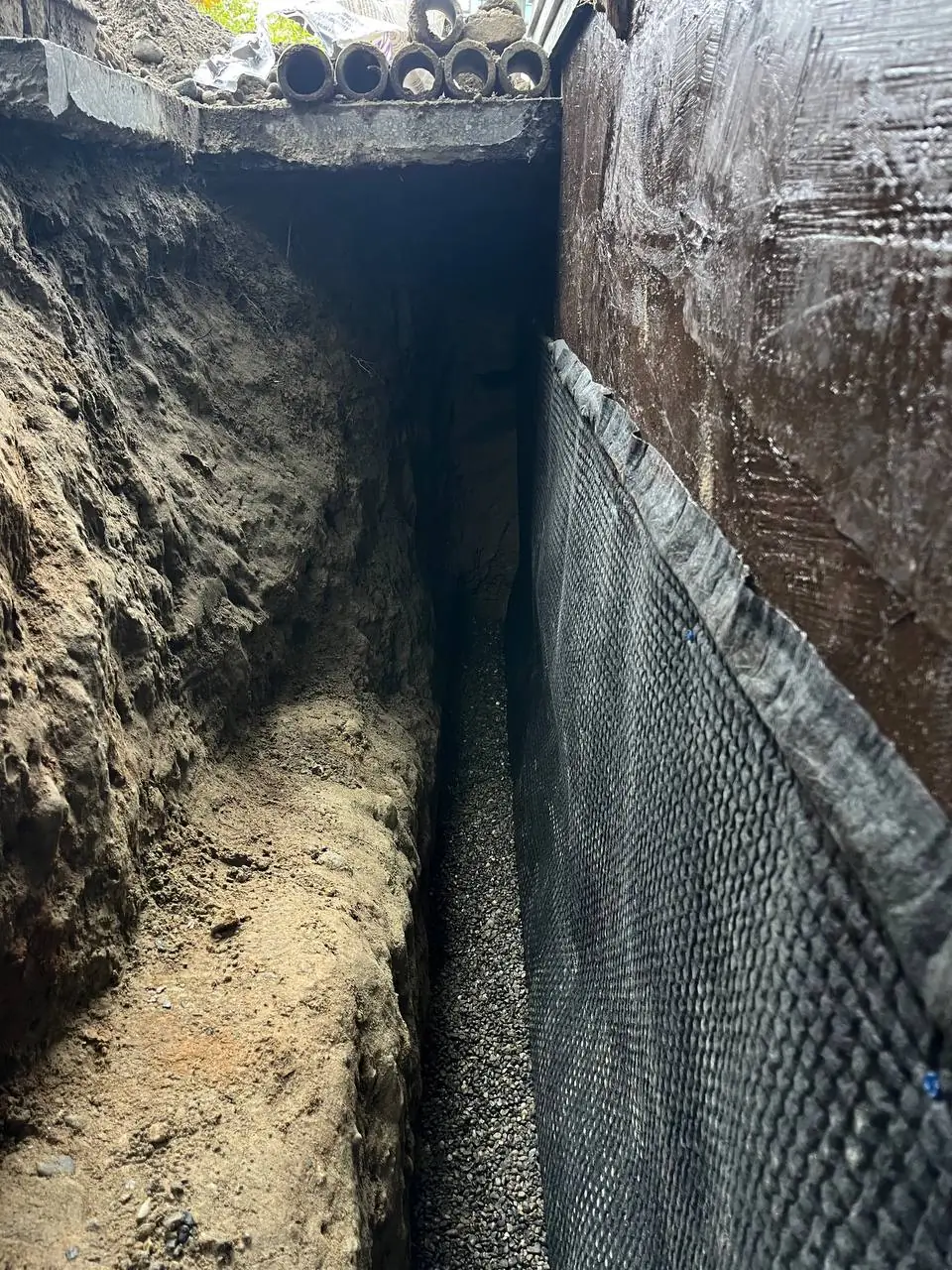
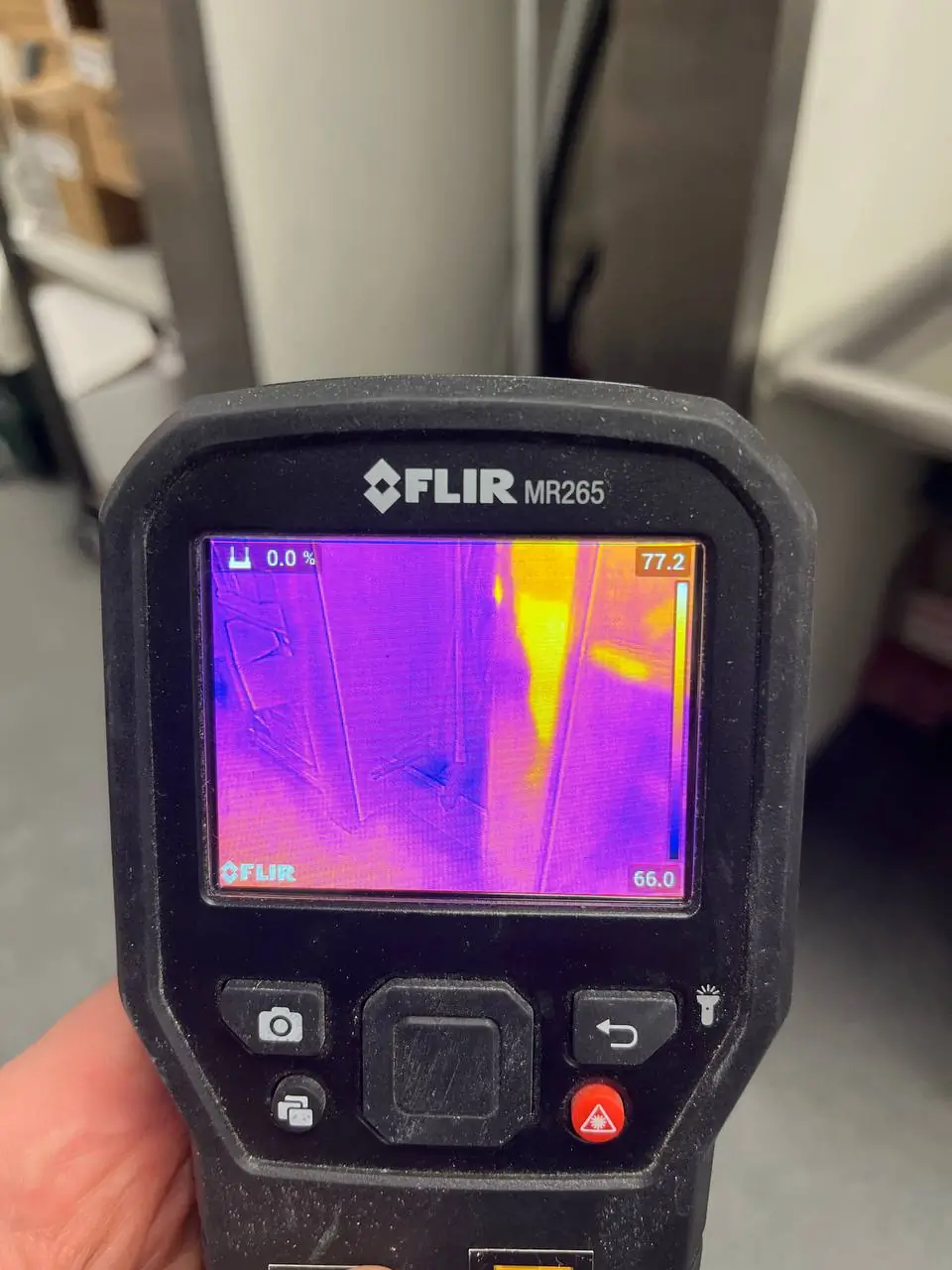
Footing Work vs Finished-Basement Seepage
Foundation waterproofing in Edmonds on this page means wall, footing, and exterior drainage work—when water reaches structural concrete before it spreads across a finished floor.
Water appearing only on carpet, baseboards, or stored belongings may fit a separate interior perimeter approach. For that symptom, our finished-basement drainage page covers that separate scope instead of quoting footing excavation here.
When exterior access is tight on a hillside lot, the proposal states whether membrane work, a footing collector, or staged drainage is realistic—and where collected water can legally discharge.
Membrane, Footing Drain, or Both on a Tight Lot
Edmonds hillside and waterfront-adjacent properties often combine thin side yards, decks, and Puget Sound bluff soils, so the inspection records access, slope, and likely outlet before naming a system.
- Leak height, wall condition, and previous coatings or injections.
- Exterior grade, downspout routing, and bluff runoff paths above the wall.
- Footing depth, collector elevation, and discharge options on sloped sites.
- Finishes or utilities that affect dust isolation and work-zone access.
Edmonds Bowl and Perrinville lots frequently show footing-joint seepage when clay above the wall saturates and cannot sheet away from the structure.
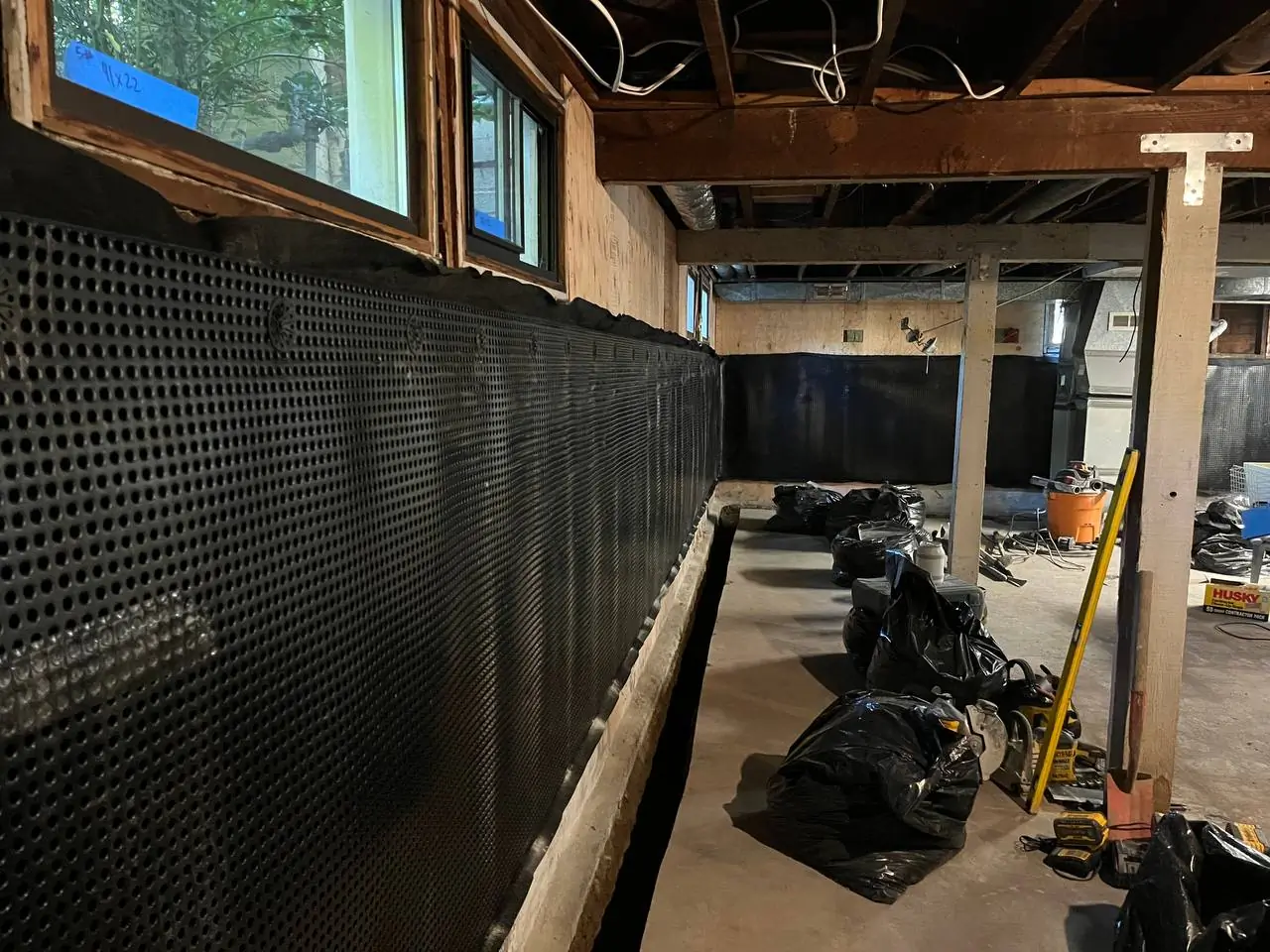
What Photos and Site Access Tell the Crew
Stable wall seepage, active movement, and surface dampness follow different repair paths. The inspection separates those patterns before drainage, membrane, or crack repair is selected.
Photos taken while the leak is active—showing the full wall, exterior grade opposite the stain, and any standing water—shorten the first visit and reduce guesswork on bluff lots.


Stable Leak or Moving Wall?
A stable leaking opening may fit a resin-injection detail. Displacement, widening, or continuing movement belongs in a structural review before drainage or crack repair is finalized.


Light Dampness or Water Pressure?
A coating can help with limited surface dampness after the source is understood. It is not a substitute for drainage when water pressure is acting through the wall or footing joint, and the scope should say which condition the material is intended to manage.


Collector and Discharge Route
When water reaches the footing, a collector must be set at the right elevation and paired with a workable outlet. The proposal identifies membrane protection, aggregate and filter details, catch-basin or pump assumptions, and where the collected water is expected to go.


Slope, Soil, and Discharge on Puget Sound Bluff Sites
The crew turns field notes into a sequence that can be priced on Edmonds hillside and bowl properties:
- Mark the symptom area and compare it with exterior elevations and bluff runoff.
- Confirm access, utilities, and excavation limits on narrow side yards.
- Define wall preparation, membrane, and protection layers.
- Set the collector route and outlet assumption downslope from the footing.
- List concrete, finish, and landscape restoration limits.
- Document concealed-condition decisions before extra work proceeds.


Before the Lynnwood Crew Arrives
Photograph the Leak While It Is Active
Note whether the stain follows wind-driven rain, prolonged saturation, or a particular downspout on the bluff side. Include the full wall, paved edges, and any standing water at the toe of the slope.
Make the Work Area Accessible
Identify buried utilities, previous drainage work, known outlet restrictions, and finishes covering the affected wall. Interior cutting is isolated with dust-control equipment where the scope requires it.
When Foundation Repair Comes First
Displacement or continuing movement belongs in a foundation repair assessment before a drainage detail is finalized.
The parent foundation waterproofing overview explains how exterior drains, membrane, and related services fit together across Snohomish County.
Concealed Conditions on Bluff Sites
Thin fill above bedrock, buried utilities on hillside lots, damaged concrete, or an outlet lower than the footing can change membrane depth and discharge routing. A clear proposal lists those assumptions and explains how concealed conditions will be documented before extra work proceeds.
Common Questions Before You Book
These answers cover what homeowners ask before booking footing or membrane work on bluff and bowl properties. Call 206-388-7867 with photos from an active leak.
Nearby Foundation Waterproofing Service Areas
From Lynnwood we run foundation waterproofing in Edmonds daily—the Edmonds Bowl, Perrinville, and waterfront-adjacent neighborhoods. Glacial till, clay, and seasonal groundwater show up as footing-joint seepage, not just floor dampness.
The crew also schedules same-service inspections in nearby communities:

