


Why Seattle summer foundation cracks show up when soils dry
Seattle summer foundation cracks often become easier to see when soils shrink after a wet winter—not because every line is an emergency, but because dry cycles change how existing stress shows at the surface. Basement Expert (ARTBRL*812B8) documents width, offset, and moisture clues on site before anyone talks repair packages.
If a crack is mainly leaking without seasonal progression, start with foundation crack repair in Seattle. This page is about summer pattern checks: what changed since spring, and what to verify before fall rains reload the soil.



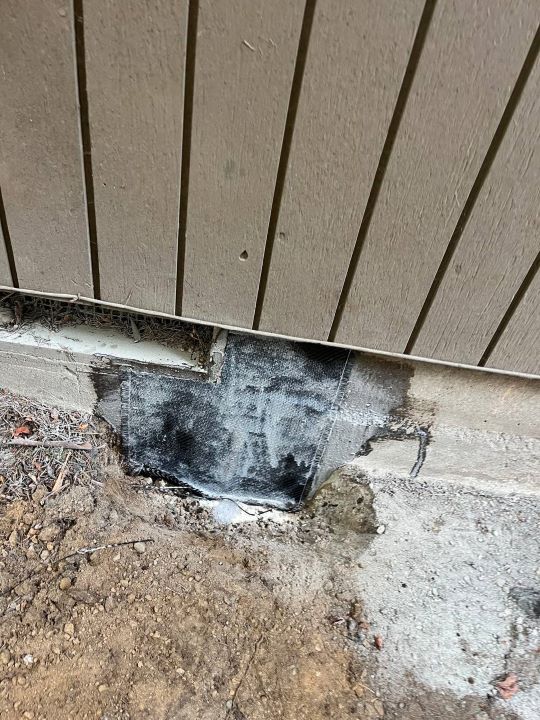
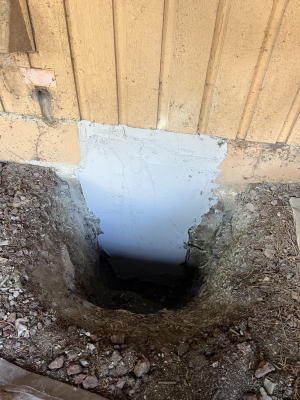
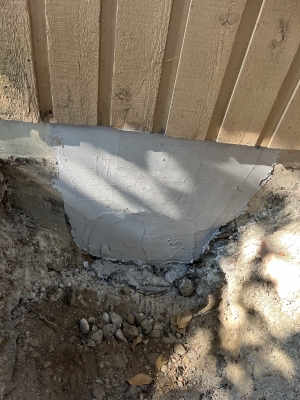
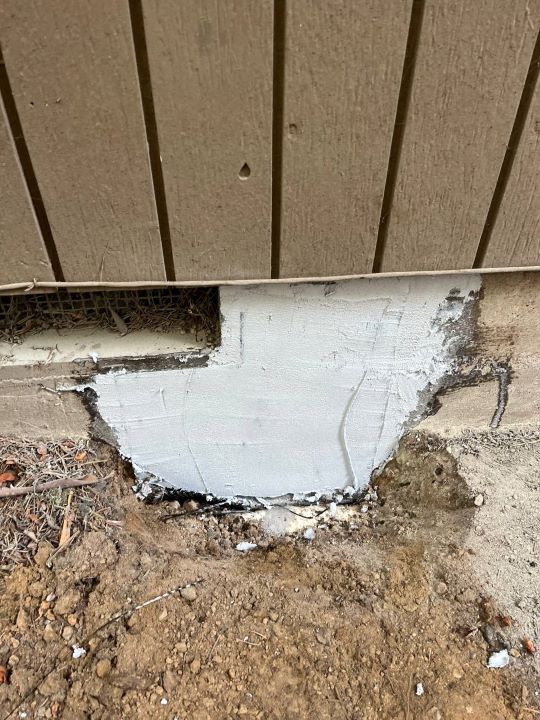
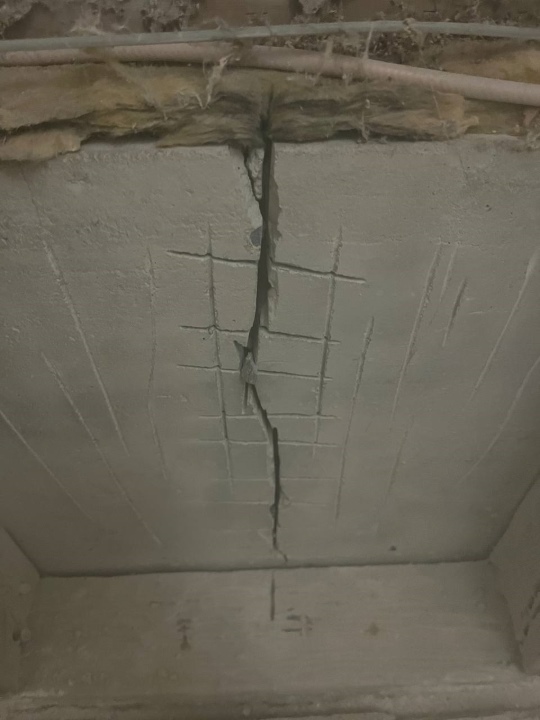
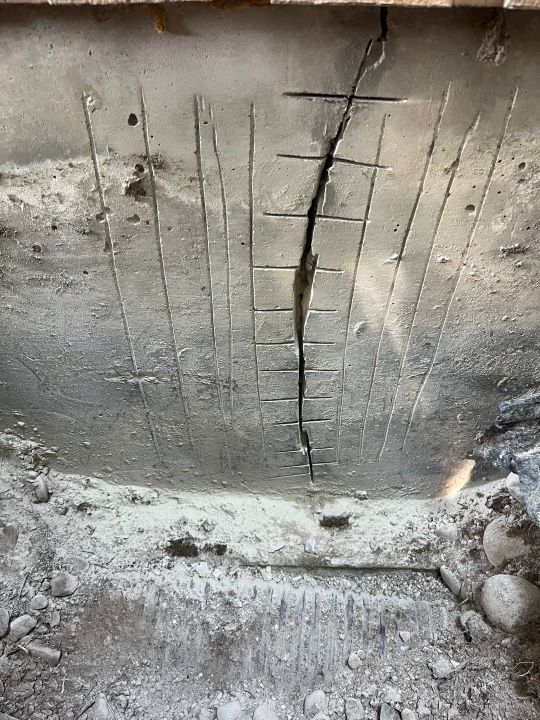
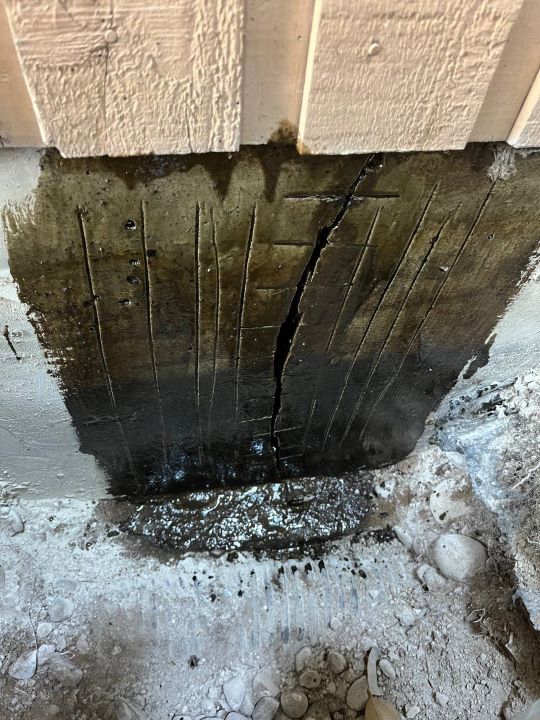
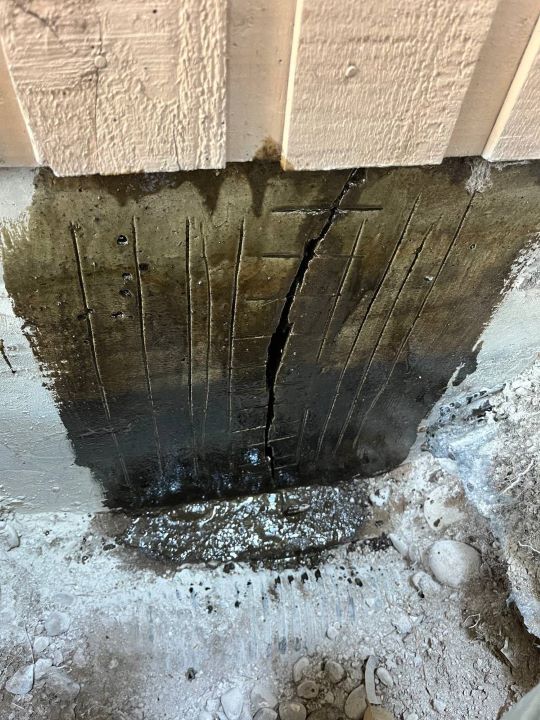
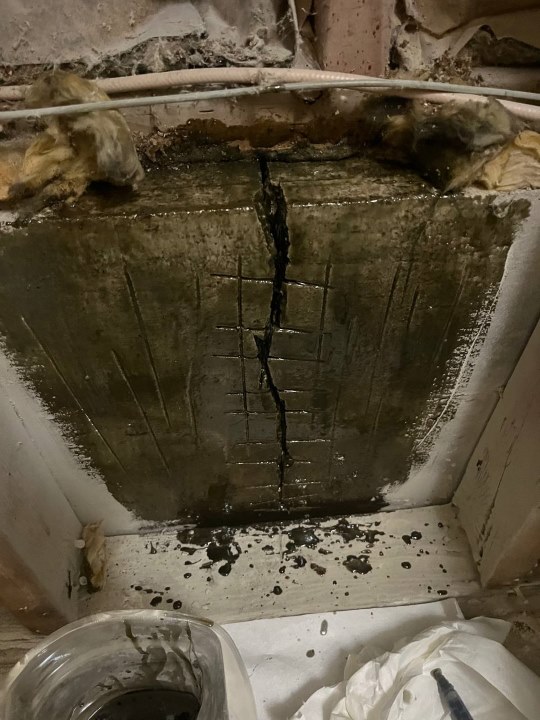
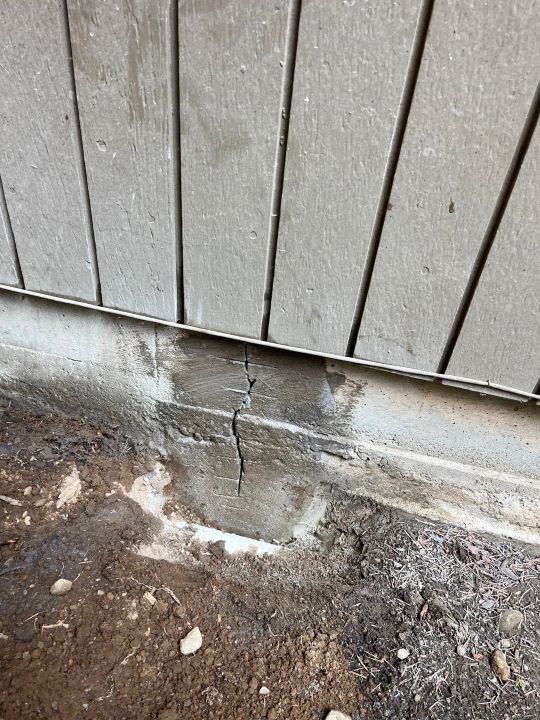
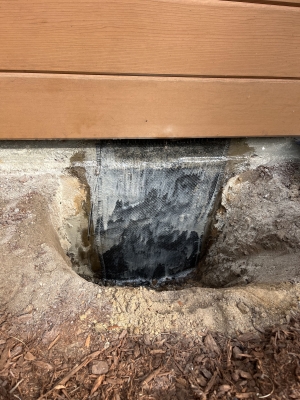
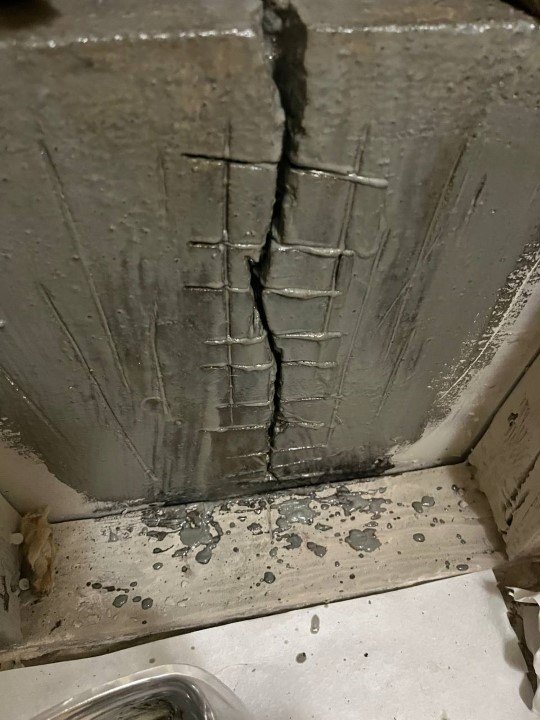
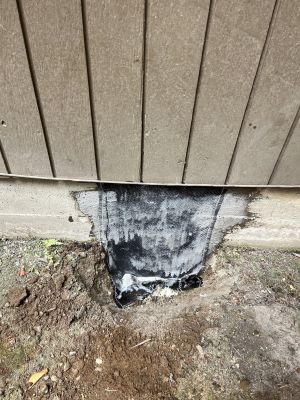
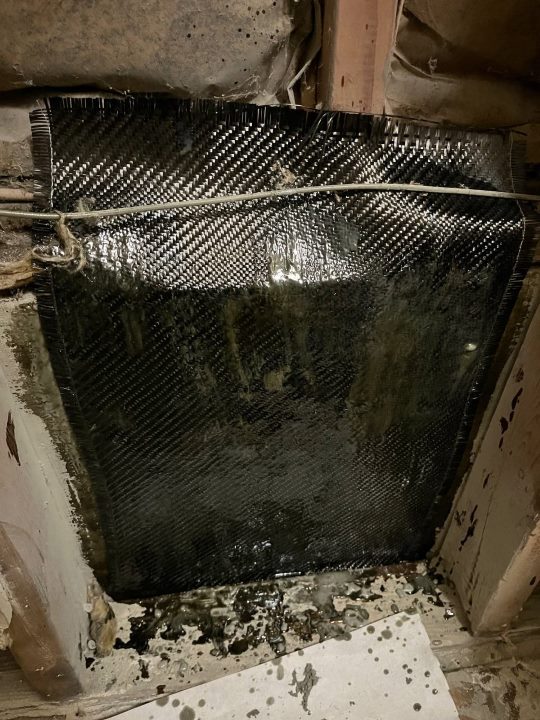
Symptoms worth documenting in dry months
- Width change since last winter (tape photo with date)
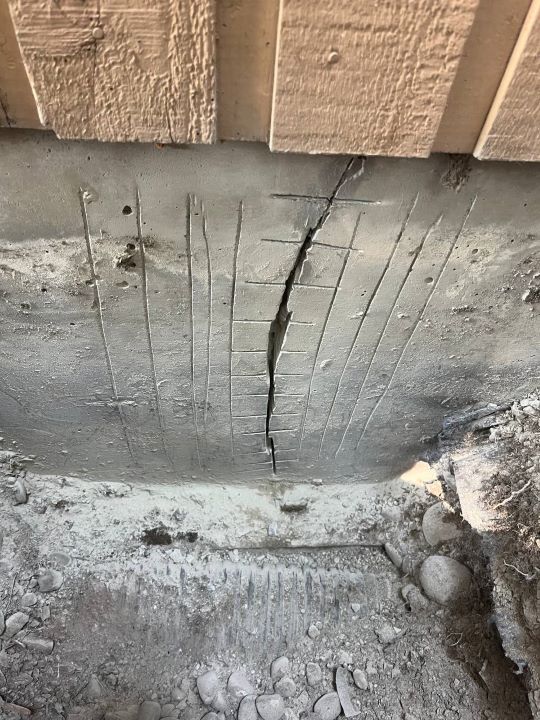
- New stair-step or horizontal lines on the same wall plane
- Interior doors that stick only after hot, dry stretches
- Damp staining that returns on the first heavy rain after a dry spell
- Floor-to-wall gaps or cove weeps that appear after soil shrink
One hairline that never moves can wait. A line that lengthens, offsets, or weeps after storms usually deserves a measurement visit—not a guess from photos alone.
What we measure before recommending work
We do not pick a “summer package.” We map crack class, check for ongoing movement, look at grading/drainage clues, and separate cosmetic lines from walls or slabs that need structural or waterproofing scopes.
- Crack geometry: vertical vs stair-step vs horizontal; one face or through-wall
- Activity clues: clean edges, offsets, dust, prior patch failures
- Moisture path: where water rides the opening after rain
- Related systems: gutters, downspouts, perimeter drains, slab joints
Only after that do we point to injection, straps, drainage, or monitoring—and we say when monitoring is enough.
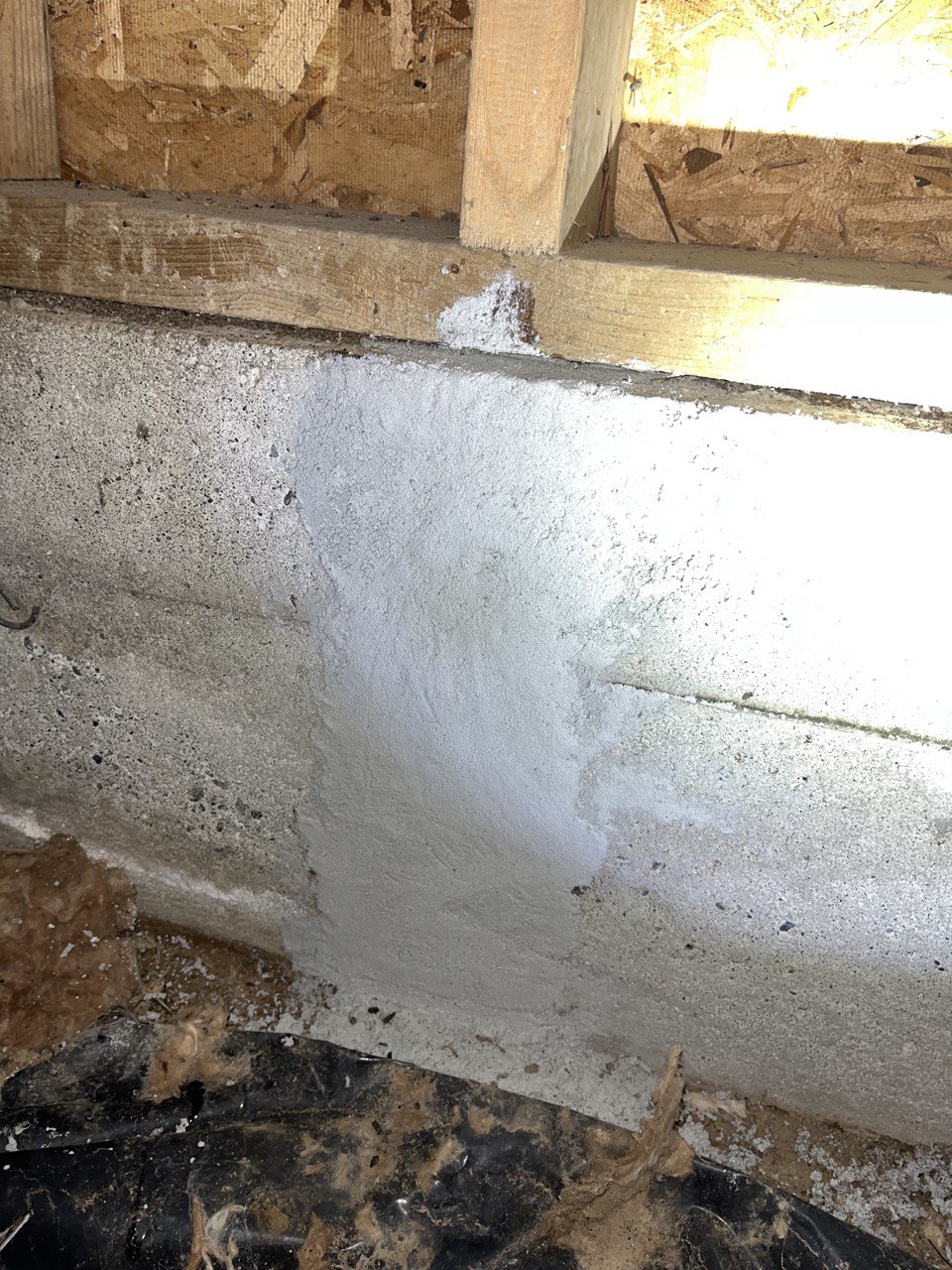
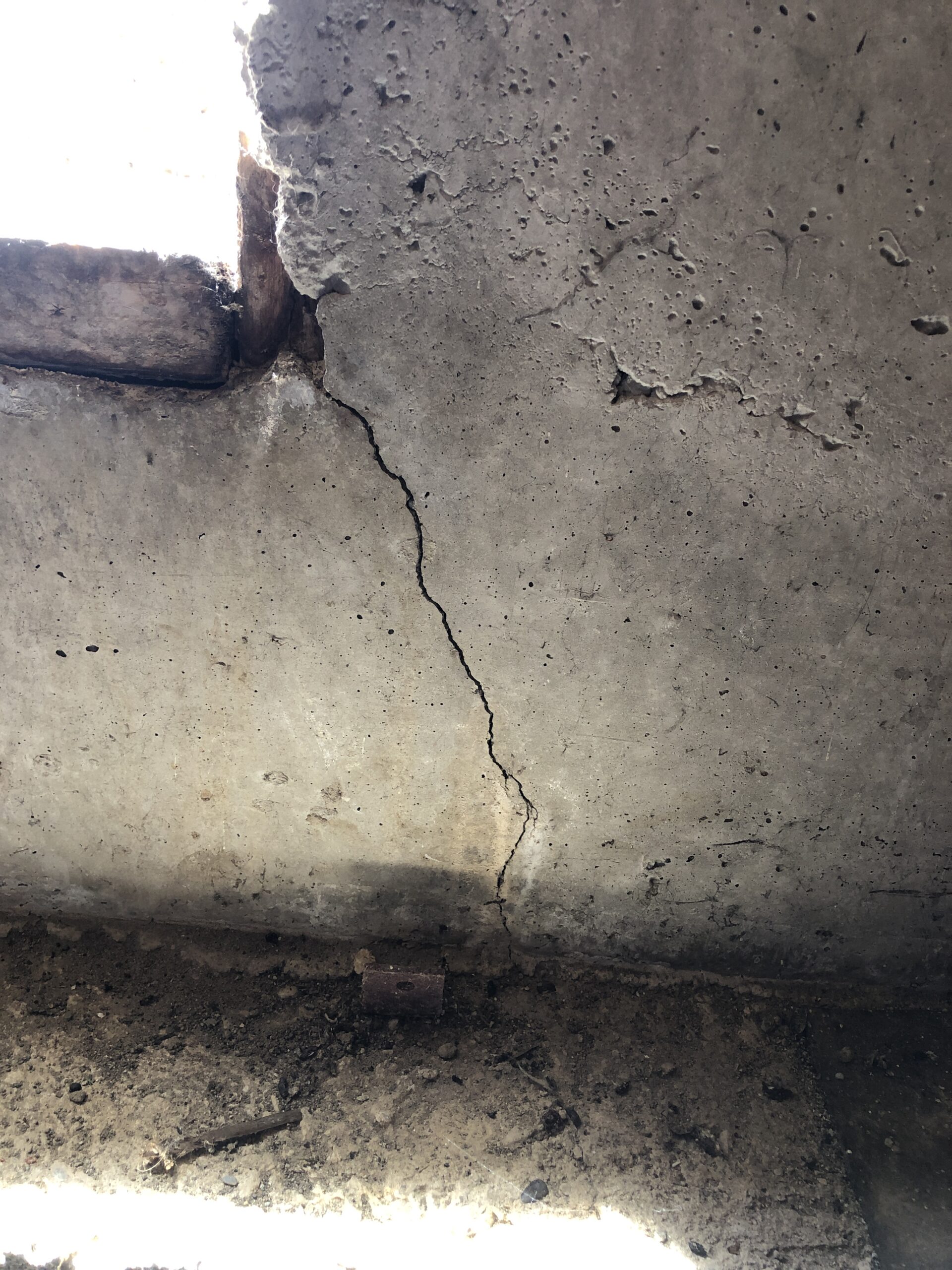
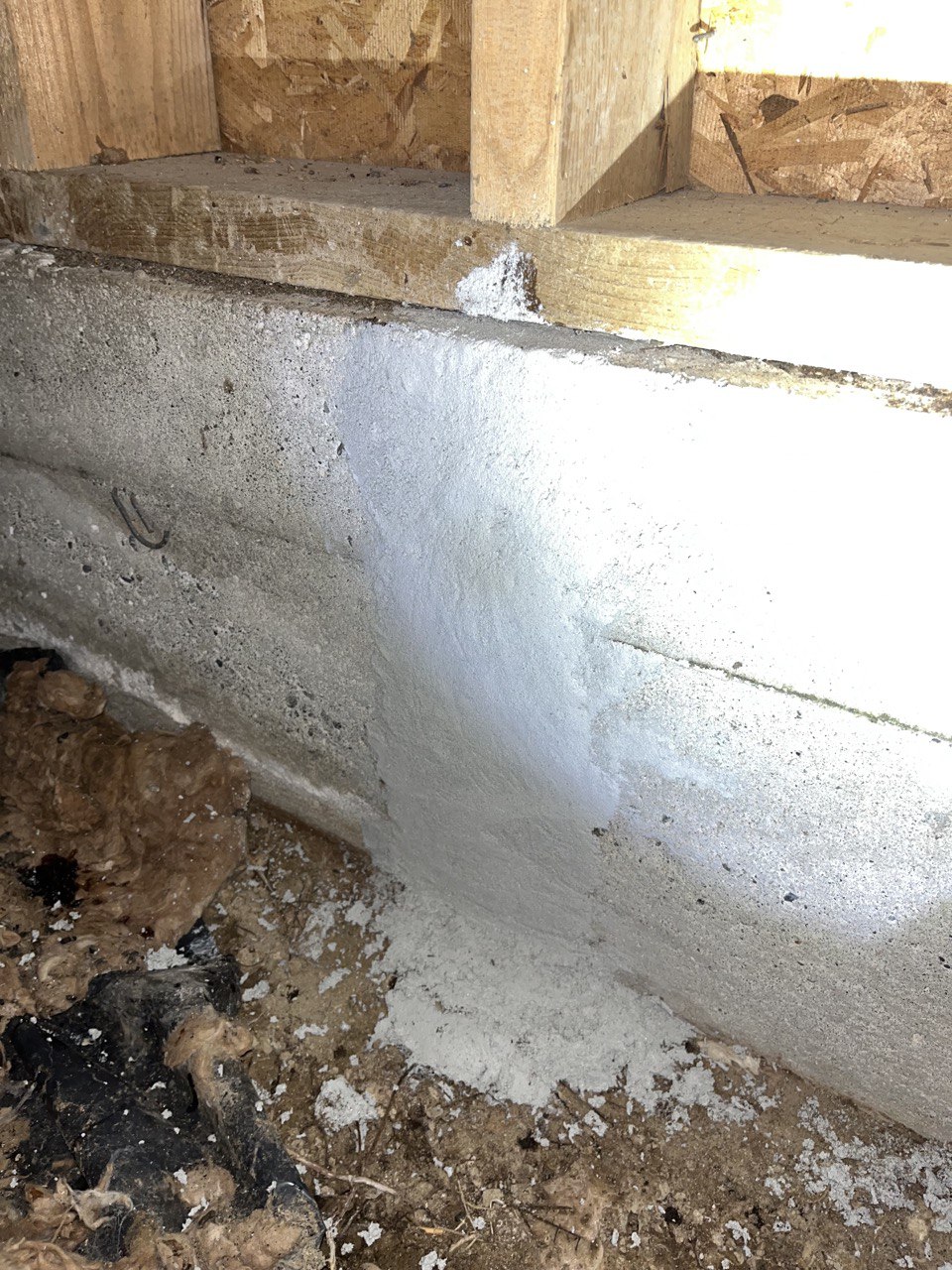
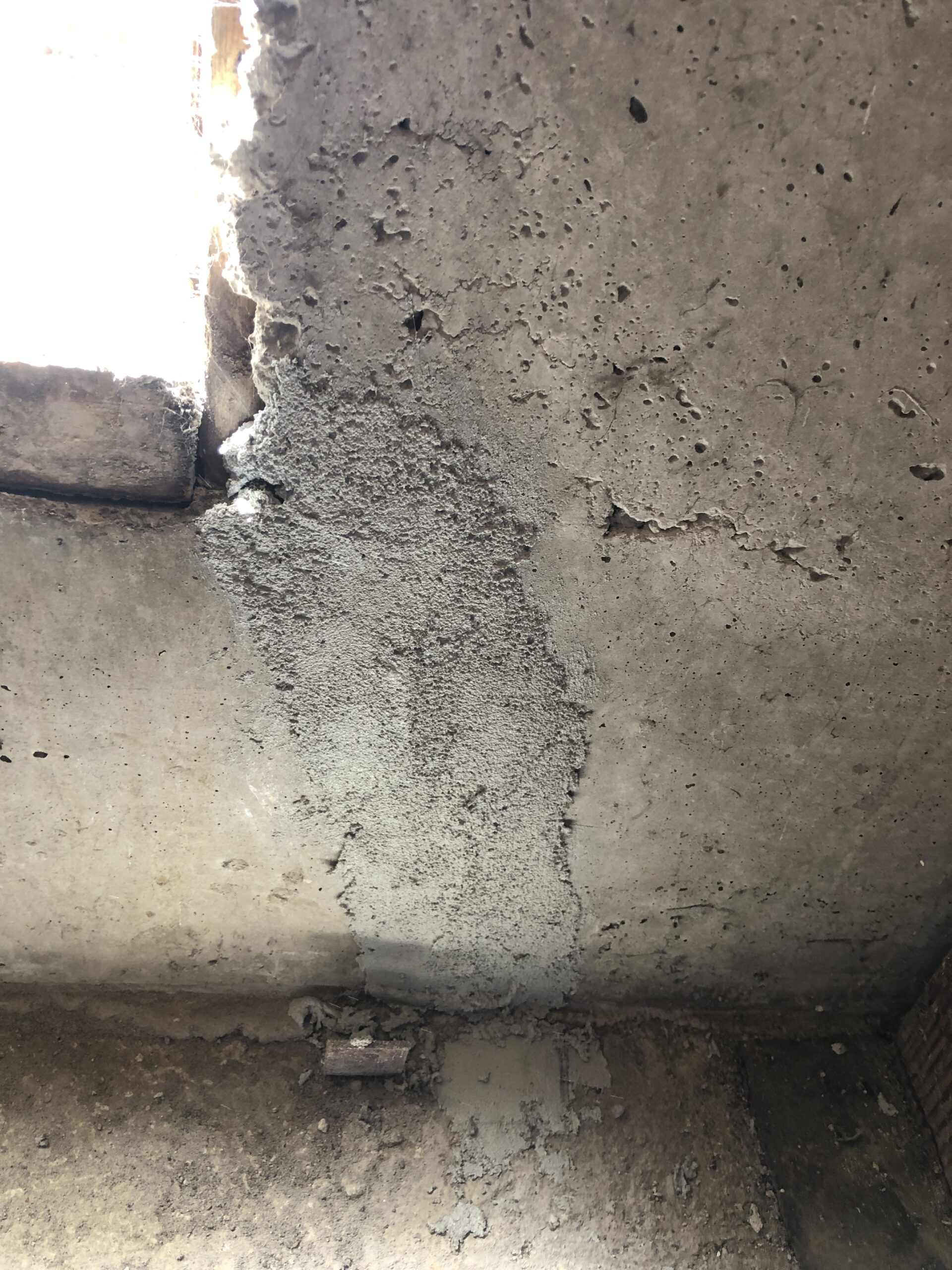

Repair paths follow findings—not a seasonal menu
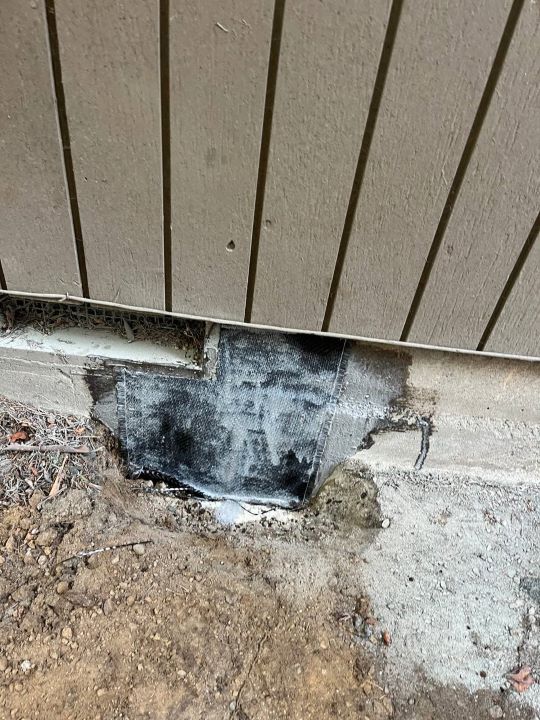
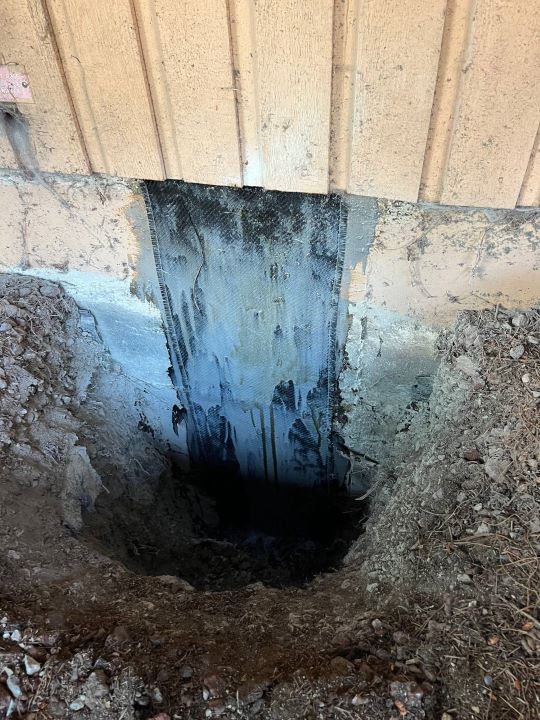
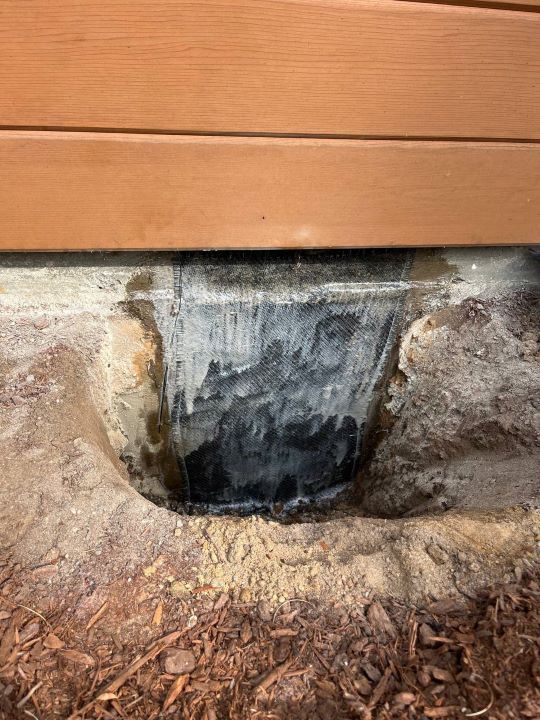
Depending on what the visit shows, the next step may be crack injection, carbon-fiber straps for bowing walls, slab work, or drainage first. Parent overview: foundation repair.
- Carbon fiber wall reinforcement when inward bow is measured
- Basement floor crack repair when the slab owns the leak
- Basement waterproofing / foundation waterproofing when water—not just the crack face—is the driver
- French drain when perimeter water needs a path out
Field notes and structural guides
Want more detail on structural options?
FAQ: dry-season cracks and when to call
Do dry months create every foundation crack?
No. Many lines started earlier. Dry cycles can make existing stress more visible or slightly wider. The useful question is active vs stable—answered with measurements, not calendar guesswork.
Should I wait for fall rains before inspecting?
If width is growing, doors rack, or staining repeats after storms, document and inspect now so any work can be sequenced before soils reload. Stable cosmetics can often wait with dated photos.
Is a summer crack always a structural failure?
Not always. Some are shrinkage or old settlement. Horizontal bow, stair-step offset, or paired moisture clues raise the priority for an on-site read.
Can I seal it myself until next year?
Surface caulk can hide a weep without stopping movement. We would rather measure first than watch a cosmetic seal fail under the first atmospheric river.
How does this differ from a standard crack-repair visit?
Same tools—different framing. This page focuses on seasonal pattern checks. Dedicated injection scopes live on the crack-repair service pages once we confirm the opening needs that path.
Credentials you can verify
Basement Expert · ARTBRL*812B8 · (206) 388-7867. Ask for measurement notes and product data before approving structural scopes—summer urgency should not skip documentation.


Real Customer Reviews:


If you want to read verified homeowner feedback before scheduling, See Basement Expert’s reviews on Google.
Seeing a crack that widened over a dry stretch? Call Basement Expert at (206) 388-7867 for a summer pattern inspection—Schedule Your Free Foundation Inspection.

