

Foundation Waterproofing in Bothell
Prevent damage and mold growth by waterproofing your foundation with best exterior or interior solutions. Engineered for the Northshore climate.

NDS-Certified Active Drainage Systems

Real Customer Reviews:


Wet footing joints after a Northshore storm usually drive foundation waterproofing in Bothell—especially where Canyon Park grades tip runoff toward daylight walls and North Creek clay keeps the wall-to-footing joint wet long after surface water clears. We probe joint height versus mid-wall dampness before quoting exterior membrane, a footing collector, or both.
Probe Grade Sheet vs Joint Wicking Before Any Dig Quote
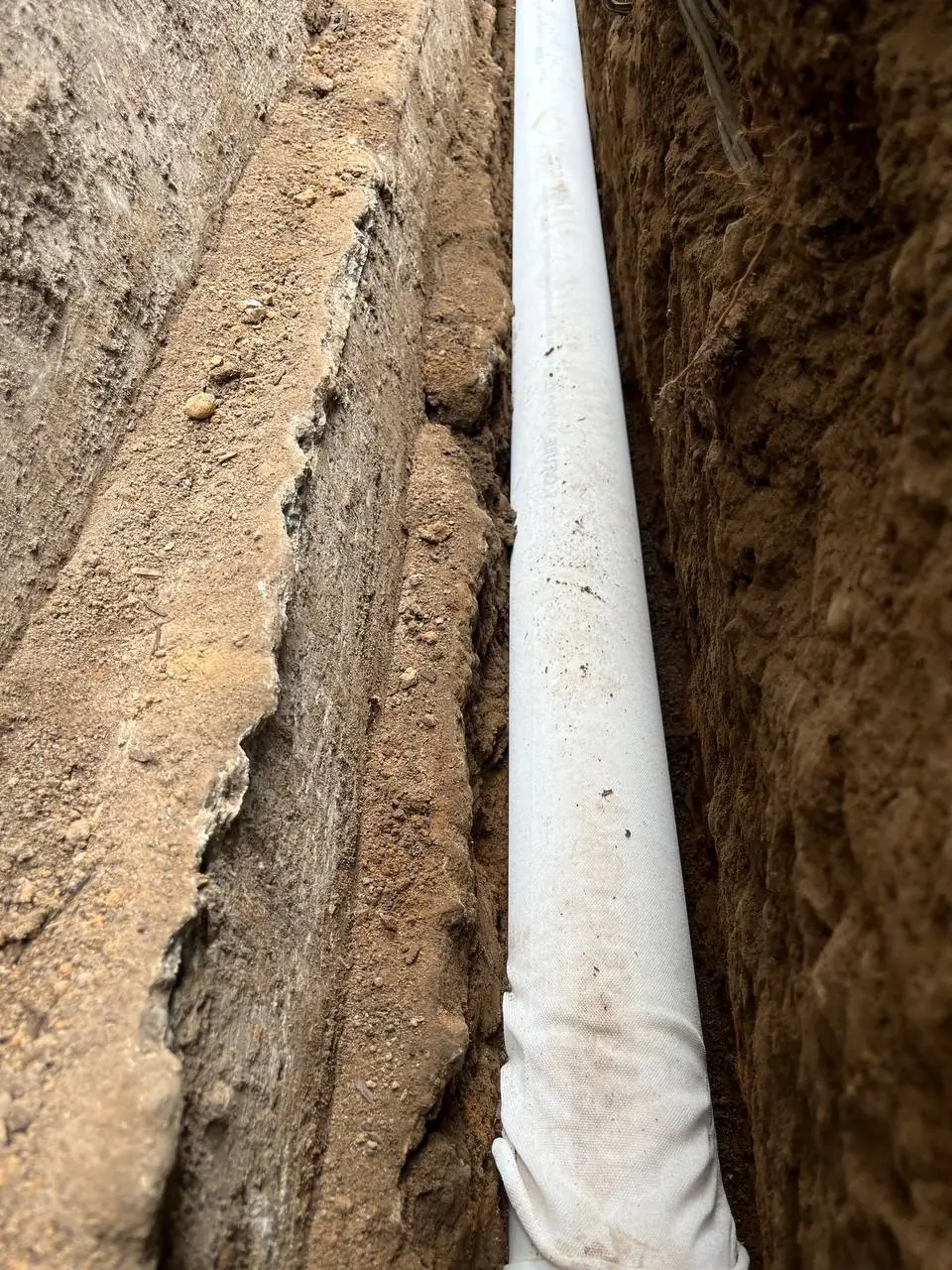
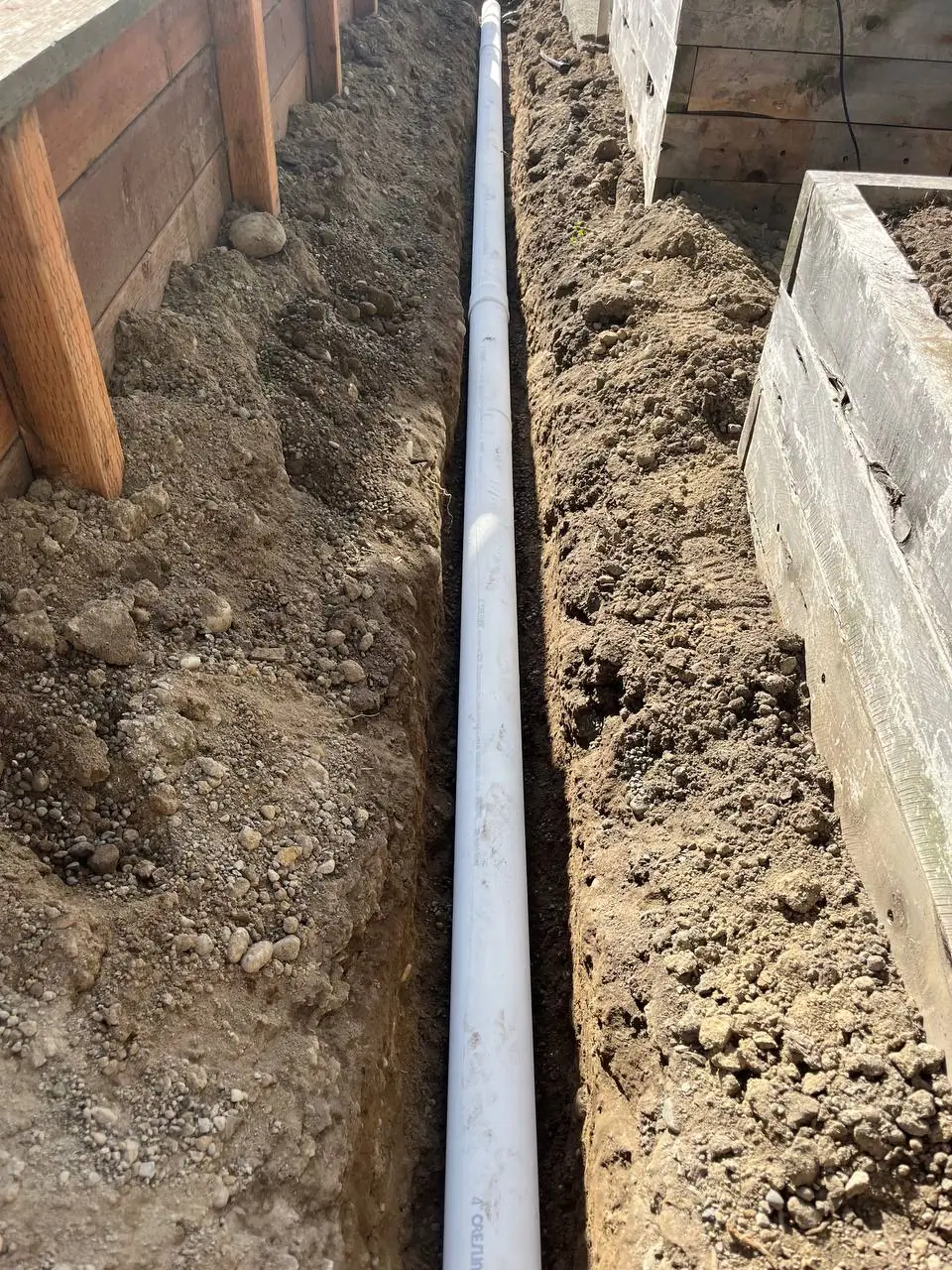
The first diagnostic step is locating the load: inspection-first moisture probing at the footing joint versus mid-wall tells us whether groundwater is wicking under sustained hydrostatic head or whether surface runoff from Canyon Park grades is sheeting toward the footing. That difference sets excavation depth, membrane type, and clear-outlet routing—Active Water Diversion sized for the head we measure, not a surface seal.
Why North Creek Clay Keeps Daylight Walls Wet After the Storm
North Creek and Sammamish valley clay compress poorly and drain slowly. After a saturated storm, that clay holds water against canyon-side and valley-floor daylight walls for days, building hydrostatic pressure at the wall-to-footing joint—not only the slab. On lots near the Sammamish River valley and denser clay pockets above the floodplain fringe, the water table in the Sammamish valley floodplain fringe rises faster than surface drainage can remove it, and the pressure arrives at the footing joint before any interior slab dampness shows.
On canyon-grade and valley-floor lots, the practical checks are the same: whether downspouts discharge at the footing, whether grade slopes toward the wall, and whether the wall-to-footing joint stays wet after surface water has drained. Those three readings decide whether we quote membrane-only detailing or a continuous footing collector with a lawful outlet.
Membrane, Collector, or Both on Canyon-Side Daylight Walls
Footing-level waterproofing is the single most important investment for maintaining the structural integrity of your property. In the Pacific Northwest, where “atmospheric rivers” and saturated soil are the norm, a standard seal isn’t enough. Whether you own a Canyon Park daylight basement or a North Creek slab-on-grade with a wet footing joint, Basement Expert provides tailored solutions ranging from minor moisture control to full structural restoration.
Injection Seals vs Strap Restraint When Walls Are Moving
When a crack is widening or the wall is out of plumb, injection alone will not hold the opening closed under clay load. We separate water-control work from structural restraint: resin may seal a stable leaking path, while carbon-fiber straps are a handoff for continuing movement—see crack repair on valley-clay lots when reinforcement is in scope.
- Stable leak path: epoxy or polyurethane injection to fill the section so water cannot re-track the same joint.
- Active movement: strap restraint after a structural review; not a substitute for footing drainage.
- Limits: we do not quote straps as “waterproofing”—if the joint still loads with groundwater, the collector or membrane still has to manage the water.
If the wall is sound but still seeping at cold joints, dual-injection (epoxy for structural weld paths, flexible polyurethane for seasonal movement) can close the void without a full dig—only when exterior grade and outlet assumptions already make sense on that lot.


Structural Epoxy & Polyurethane Injection
If your foundation is structurally sound but leaking, we use a dual-injection method to seal the void entirely.
-
Epoxy Injection:Â Used to “weld” concrete cracks back together, restoring the original structural strength of the wall.
-
Polyurethane Foam:Â A flexible, expanding seal that is perfect for non-structural cracks that still “breathe” or move slightly with the seasons. It expands to fill the entire thickness of the wall, filling the crack section so water cannot track through the same path.


Interior coatings help only when the primary problem is light vapor or condensation after the exterior load is understood. On Canyon Park daylight walls and North Creek clay lots, coatings fail as a stand-alone fix when hydrostatic head is still loading the footing joint—the written scope should say whether the coating is a secondary vapor layer or the actual water-control method.


The “Gold Standard”: Perimeter Collectors and Membrane Drainage
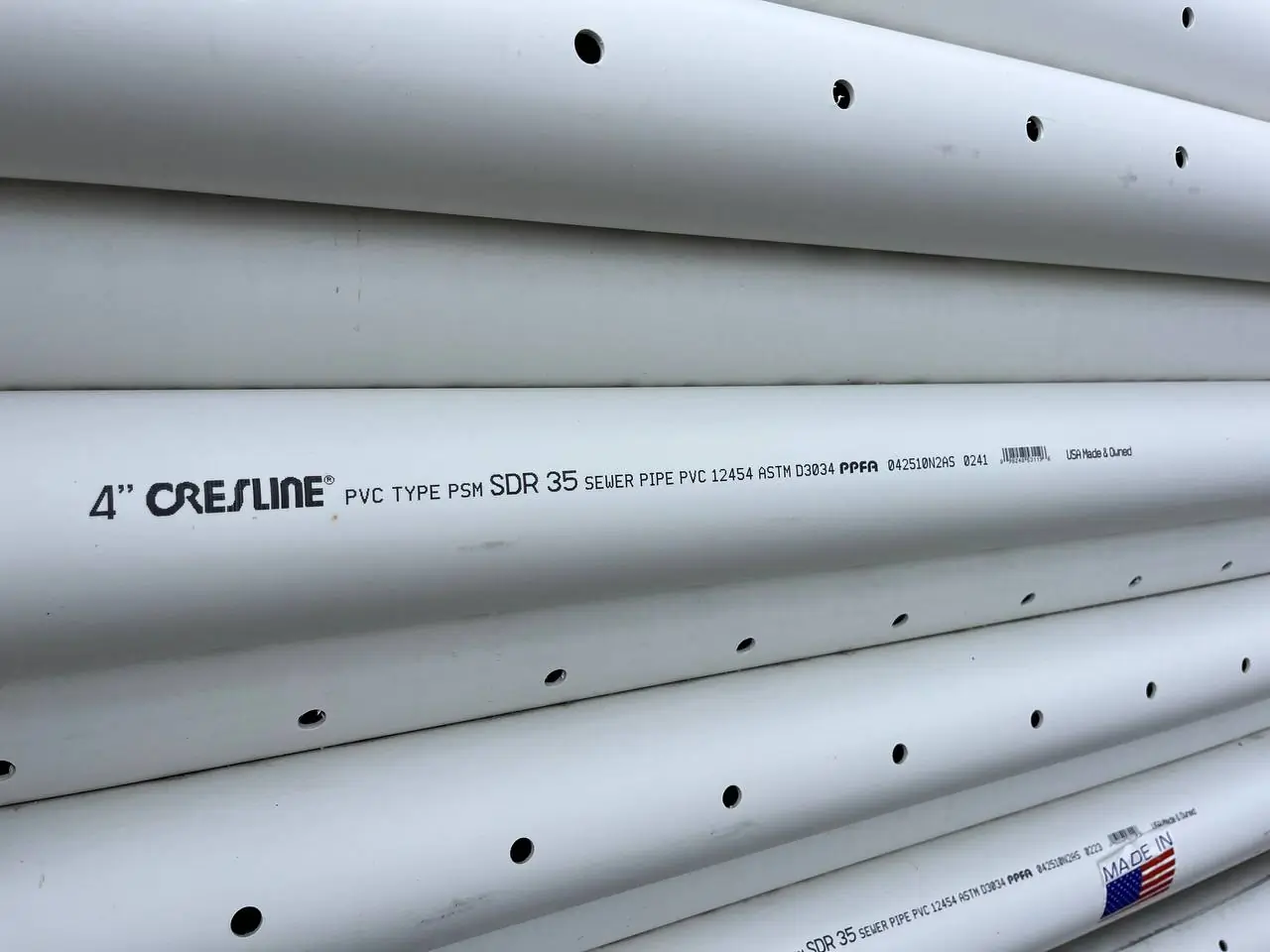
A footing-level perimeter drain is the most effective method of managing groundwater at a Northshore foundation. It doesn’t just block water—it manages it.
-
How it Works: We install a perimeter drainage system below the footing level, linked to a high-capacity catch basin and a discharge pump when gravity outlet is not available.
-
The Secret Sauce: We utilize a double-layered membrane on the walls. This creates a “slip sheet” that catches moisture and directs it straight down into the drainage system before it can enter your living space.
-
The Long-Term Fix: This system is specifically engineered to handle the intense hydrostatic pressure common locally’s clay-heavy soils. To ensure your home stays dry, we redirect this collected water safely away from the foundation into a designated disposal well or storm drain.
When membrane and collector run together, the written scope lists which wall runs get both, where the collector sits relative to the footing, and where water exits—gravity when available, pumped discharge when the lot cannot drain by grade.


Stakeout, Dig Limits, and Protected Backfill Sequence
As a professional drainage contractor trusted by homeowners, designers, and contractors across the Northshore, Basement Expert adheres to a rigorous process that meets the requirements of general regulations and projects. This process prevents water from seeping completely into your residential space.
- Preparation of the work area
- Concrete Cutting
- Digging a trench for the perimeter collector
- Attachment of waterproofing membrane
- Installation of the waterproofing system
- Pouring concrete
If you are looking for a reputable waterproofing contractor in Bothell and across the Northshore, Basement Expert is a direct fit. Crews size membrane, collector elevation, and outlet assumptions to the hydrostatic load measured at the footing—not a one-size coating quote. We ensure its structure is absolutely protected from water damage, whether it is under construction or an existing building.


Why Northshore Homeowners Trust Basement Expert
Local, Family-Owned Expertise
When water is threatening your home’s foundation, you don’t want to be put on hold by a national call center. Basement Expert (operating under Artbrick LLC) is a local, family-owned team that lives and works right here in the Pacific Northwest. We understand the specific soil, heavy rainfall, and drainage challenges of our region because we deal with them on our own properties. From our home base in Lynnwood across the Northshore, we treat every customer like a neighbor—delivering honest assessments and permanent repairs without the high-pressure sales tactics used by large corporate franchises.
NDS Certified Drainage Specialists
Water management is a science. As an NDS Certified Drainage Communicator, we don’t just guess where the water is coming from or slap a temporary patch on a wet wall. Our waterproofing systems are rooted in true hydraulic engineering. We calculate water flow, assess soil saturation levels, and design custom drainage solutions that permanently relieve hydrostatic pressure from your foundation.
Clean-Air HEPA Filtration Technology
We respect your home and your family’s health. While interior foundation repair involves cutting concrete and grinding walls, it shouldn’t leave your house covered in hazardous dust. Our crew utilizes specialized, industrial-grade HEPA-filtered air scrubbers and dust extraction equipment throughout your entire project. We isolate our workspace to ensure your indoor air remains clean, safe, and dust-free from start to finish.
New Construction and Commercial Footing Systems
We have collaborated with numerous leading builders across the surrounding Northshore to offer seamless, top-notch waterproofing solutions that do not impede the construction process. For newly constructed foundations, we utilize the materials and techniques mentioned above to deliver comprehensive waterproofing services. Our offerings encompass the installation of a basement waterproofing system, both interior and exterior basement waterproofing, perimeter collectors, and discharge basins.
Waterproofing the Existing Foundation
For existing structures, many problems with water can result from not having proper footing-level waterproofing from the beginning. As a certified foundation repair company in the Northshore, we can assist homeowners with repairs no matter how complex their existing waterproofing problems are. The structural crack work service includes:
- Remove the rotten wood due to water absorption.
- Treat external cracks and prevent water from seeping through the wall into the house and floor.
- Raise the foundation in case the foundation subsides, slips, or appears to have gaps between the floor, ceiling, and wall.
- Concrete shrinkage causes the wall to crack (need to check the specific cause).
Many other possible problems may not be listed. So, you can contact us to book an inspection of your home’s foundation.
What Foundation Waterproofing Costs on Canyon-Grade Lots
A dry, solid foundation ensures safe and long-term use. It is essential for the living area. As a result, the house’s worth is increasing. It emphasizes how worthwhile an investment in waterproofing is. In Bothell and the Northshore, small repairs, such as structural epoxy injections for a single crack, may start as low as $500, while comprehensive exterior waterproofing systems for an entire perimeter typically range between $15,000 and $20,000 depending on excavation depth and accessibility. We offer a competitive price compared to other contractors in the local market.
Foundation Waterproofing in Bothell – FAQs
For those who want to find the information needed to choose the most suitable service can refer to the most frequent questions that our customers all around the local area ask below.
Neighborhoods and Corridors We Serve
From our Lynnwood headquarters we run foundation waterproofing in Bothell daily—Canyon Park, North Creek, and neighborhoods near the Sammamish River valley. North Creek clay, Sammamish valley saturation, and seasonal groundwater show up as footing-joint seepage, not just floor dampness.
Nearby Cities
For finished-space floor seepage, see our finished-basement drainage page. Hub overview: foundation waterproofing.

