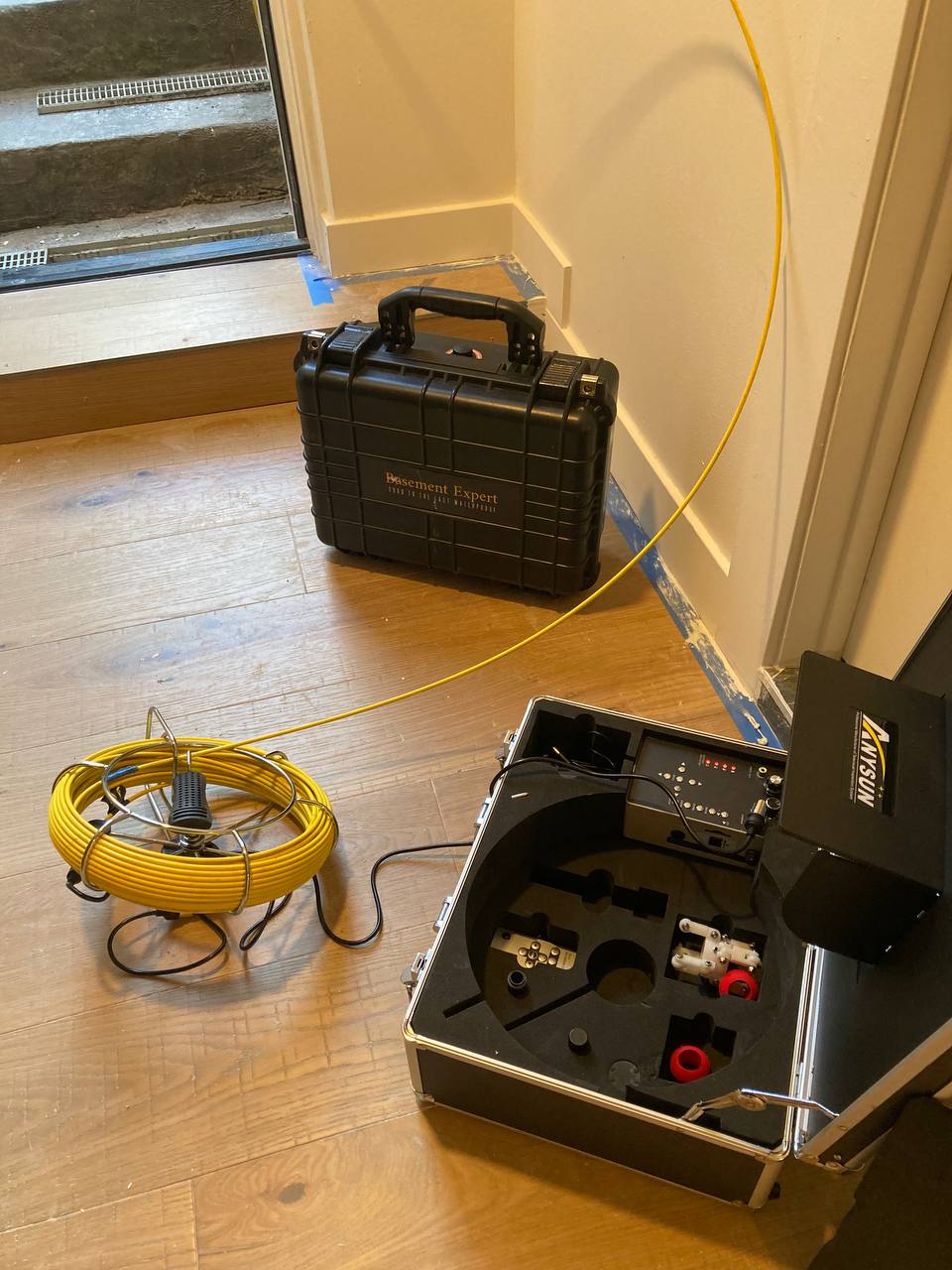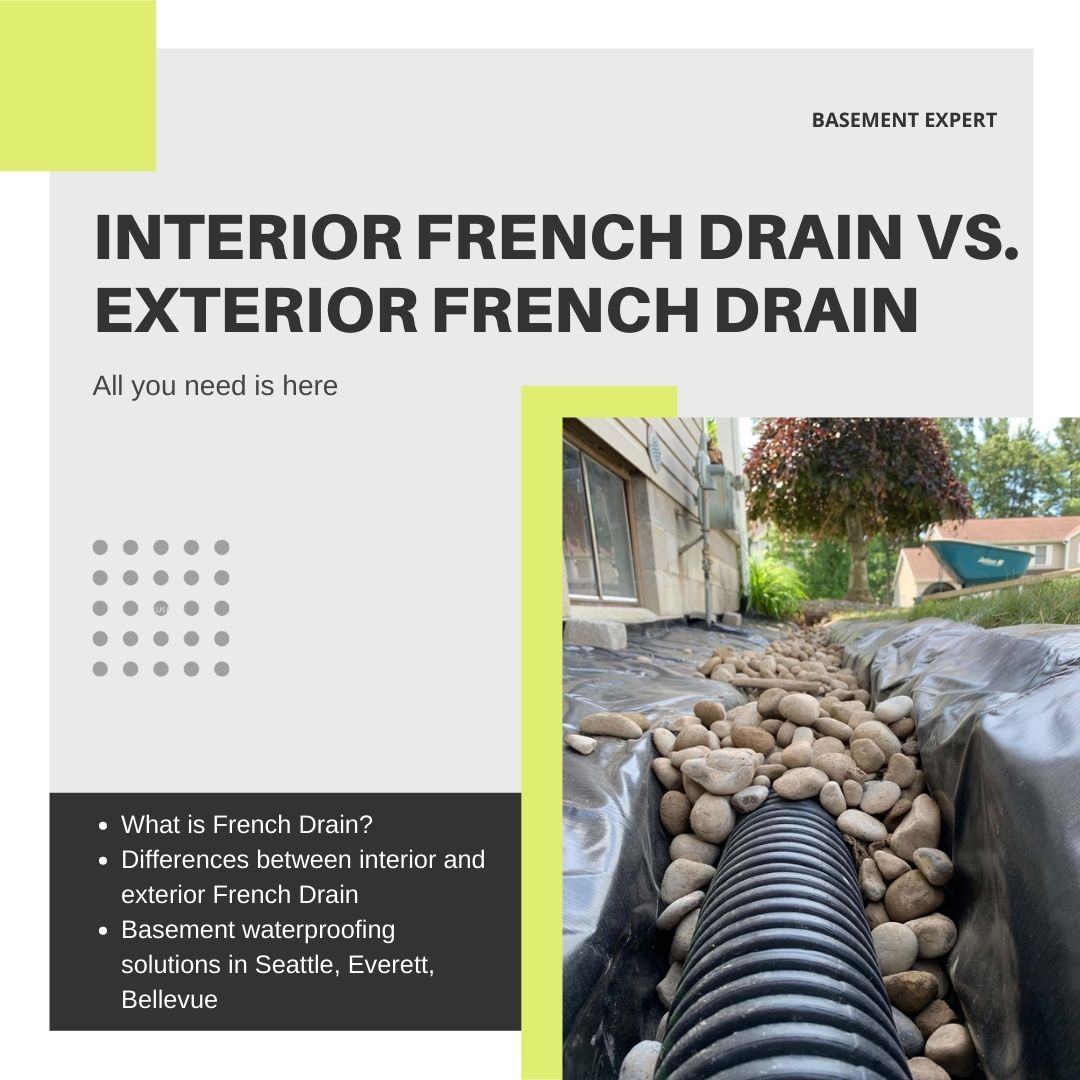
Do you have water in your yard? Does the basement always flood after a heavy rain? A simple solution can help get rid of these problems. Here are the basics. A French drain is a trench with a perforated pipe laid in gravel. It can run outside along the foundation or inside, under the basement slab. This pipe diverts stormwater from where you don’t want it to—like along a foundation — and redirects that water to a storm drain or rain barrel.
What is French Drainage?
A French drain solves a lot of water problems. Gutters handle the rain coming off the roof. A French drain, inside or outside, handles the water moving through the ground. Suppose that after a rainstorm, water tends to accumulate in a certain low spot on your property.
Redirecting the flow of water with a French drain eliminates this problem. French drainage also protects basements from water ingress. In wet places on the site, water is pressed against the foundation and gradually seeps into the house. With a French drain, however, the water near the bottom can be diverted elsewhere.
A few notes if you’re planning an exterior drain
- Instead of wrapping the pipe in landscape fabric, you can buy a flexible perforated pipe that is wrapped in waterproof fabric.
- If you are planning to dig a long trench, consider hiring specialized equipment to get it done faster.
- Place a rain barrel at the end of your drainage system to collect rainwater for garden use.
- Digging a trench leaves a big pile of soil. Decide where it will go before you start.
If water continues to intrude into your basement despite seemingly adequate outdoor drainage, then you may need to install an indoor French drain. The installation includes cutting a trench in the basement slab around the perimeter of the foundation, laying a pipe in the trench, and installing a pump in the sump to move water from the inside to the outside.
If you have a wet basement in Seattle, Everett or Bellevue and want to know which drain fits your house, contact us.