

Foundation Waterproofing in Snohomish
Sub-Grade Moisture Defense Engineered for River Plain Hydrology

NDS-Certified Active Water Diversion & Sump Systems

Real Customer Reviews:


Exterior Waterproofing Membranes & Structural Footing Assemblies
Basement Expert provides foundation waterproofing in Snohomish for footing drains, exterior membrane, and structural water control—when river valley soils hold a seasonal water table against the wall-to-footing joint, not routine finished-basement seepage. We map exterior membrane and footing collectors across the valley floor, the historic First Street corridor, Three Lakes, and Fobes Hill before quoting scope. On low-gradient parcels the primary diagnostic is whether water loads the footing joint from alluvial soil saturation or surface runoff from upland terraces. Our inspection-first scope details membrane application and continuous footing drainage sized for measured hydrostatic head—not a generic interior channel quote.
For residential structures throughout the river basin, concrete assemblies require sub-surface defense before moisture creates internal damage. When saturated alluvium or seasonal runoff pools against foundation stem walls, hydrostatic pressure forces water through cold joints and micro-fissures. Our specialized crew installs commercial-grade exterior drainage and moisture barrier systems designed to keep foundation walls sound and crawlspaces or basements permanently dry.
Hydrostatic Pressure & Alluvial Silt Loads on Valley Footings
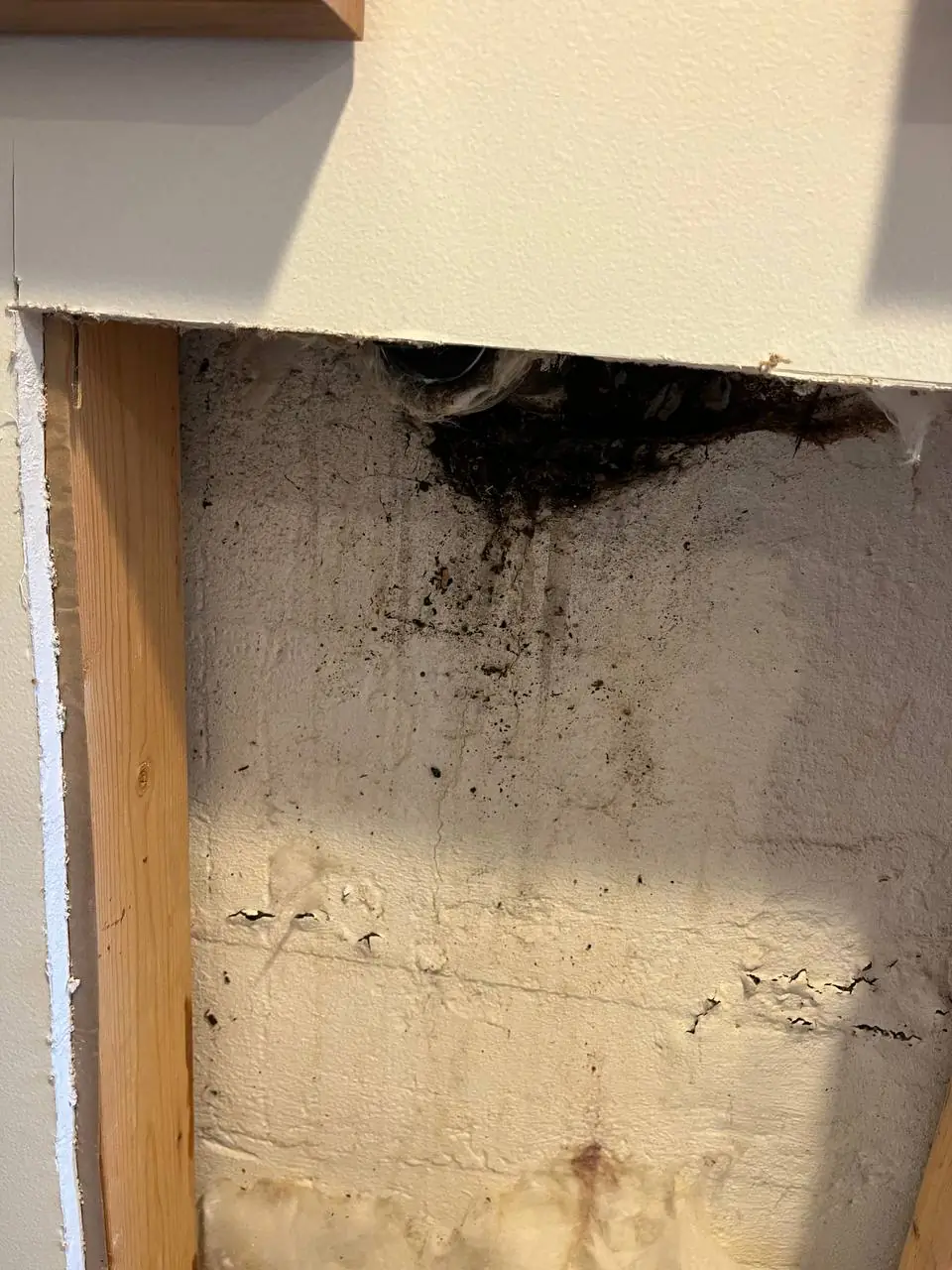
Homes situated across the valley floor and surrounding terrace benches encounter demanding sub-surface moisture conditions. Valley soils—composed largely of alluvial silt, sand deposits, and dense native clay—retain substantial water volume throughout Western Washington’s extended rainy season. As groundwater accumulates, it exerts hydrostatic pressure against exterior foundation walls and the critical footing cold joint.
Without an active footing drainage assembly and elastomeric barrier, this continuous moisture pressure leads to concrete efflorescence, structural spalling, and footing seepage. Managing sub-surface saturation requires dedicated below-grade diversion rather than cosmetic surface patching.
Targeted Foundation Protection: Sub-Grade Barriers vs. Structural Reinforcement
Footing-level waterproofing is the essential foundation investment for preserving structural integrity across Puget Sound properties. Whether you own a home near the historic district or a daylight basement residence on the upper terrace benches, Basement Expert engineers tailored water management systems based on precise moisture mapping and site elevation.
Permanent Foundation Crack Repair (Carbon Fiber)
When a foundation crack is structural or “active,” standard sealants aren’t enough. We use industrial-grade carbon fiber—a material 10x stronger than steel—to lock your walls in place permanently. This is the most reliable method for foundation crack repair on valley lots because it addresses the cause of the leak, not just the symptom.
-
Low Profile: Thinner than a penny and can be painted over immediately.
-
Non-Invasive: No heavy excavation or steel beams required.
-
Strength: Stops bowing and prevents cracks from ever re-opening under soil pressure.


Structural Epoxy & Polyurethane Injection
If your foundation is structurally sound but leaking, we use a dual-injection method to seal the void entirely.
-
Epoxy Injection: Used to “weld” concrete cracks back together, restoring the original structural strength of the wall.
-
Polyurethane Foam: A flexible, expanding seal that is perfect for non-structural cracks that still “breathe” or move slightly with the seasons. It expands to fill the entire thickness of the wall, ensuring a 100% water-tight barrier.


Moisture Barriers: Coatings & Sealants
Waterproofing coatings are an effective first line of defense for interior basements where condensation or light dampness is the primary concern.
-
When to use them: Best for slightly damp basements or as a secondary “vapor barrier” in finished spaces.
-
The Reality Check: While basic coatings are cost-effective and easy to deploy, they are not a reliable standalone fix for major leaks.
-
The Limitation: In this climate, extreme temperature changes and soil movement cause standard cementitious layers to shrink and crack. These methods often fail against the high hydrostatic pressure of rising groundwater.
This is the most basic and widely used exterior membrane method. Because of the materials used, weathering resistance, and longevity. This method has the advantage of being easy to build, cheap, and easy to deploy in all conditions.
However, this is not a reliable method of waterproofing. The reason for this is that the cement layer has shrunk. shrinkage. Extreme temperature changes cause it to crack and deform. It is also sensitive to chemical corrosion. Wet rooms necessitate waterproofing layers such as ceramic tiles.


Engineered Footing Collectors & Sump Station Discharge
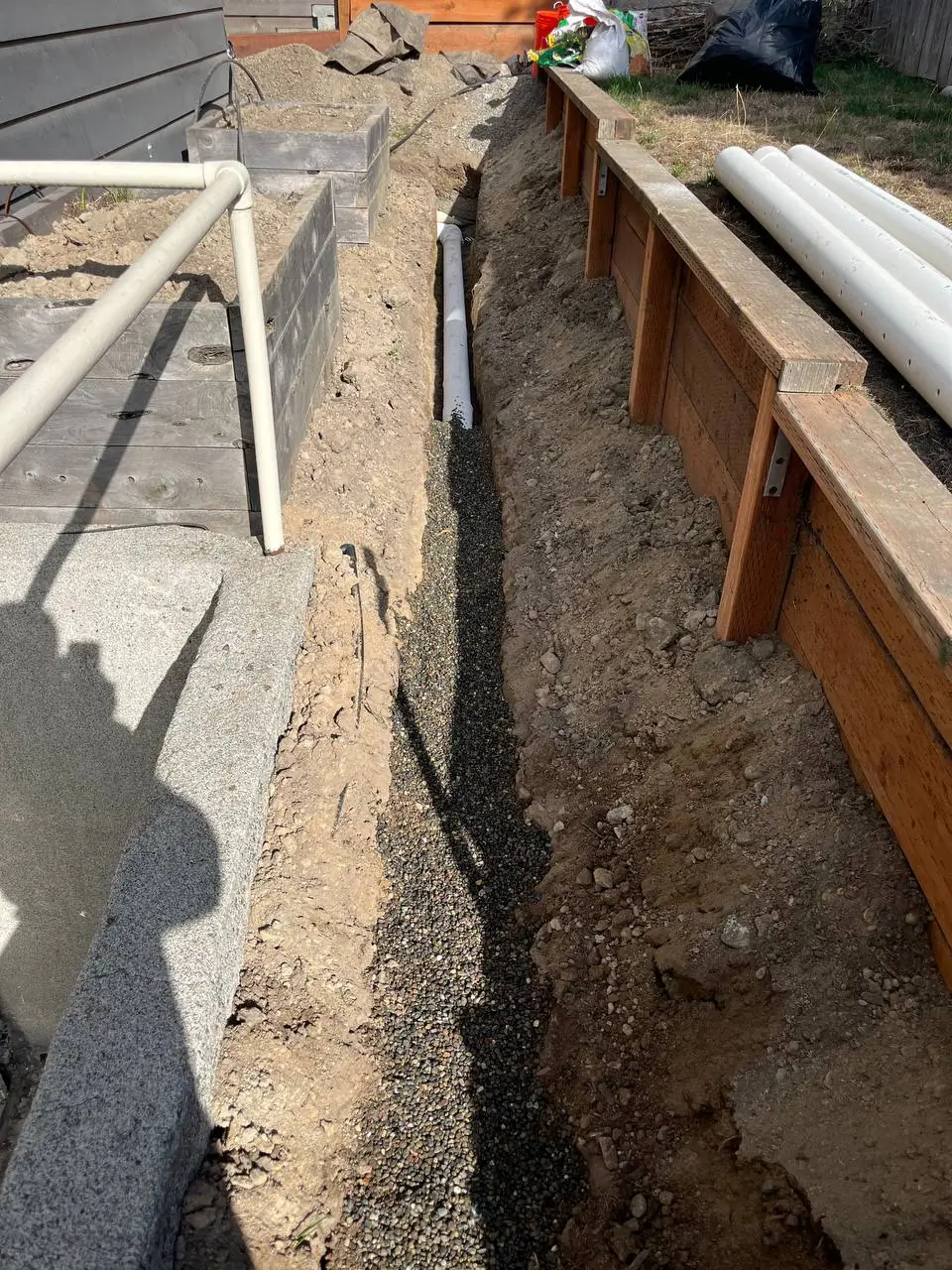
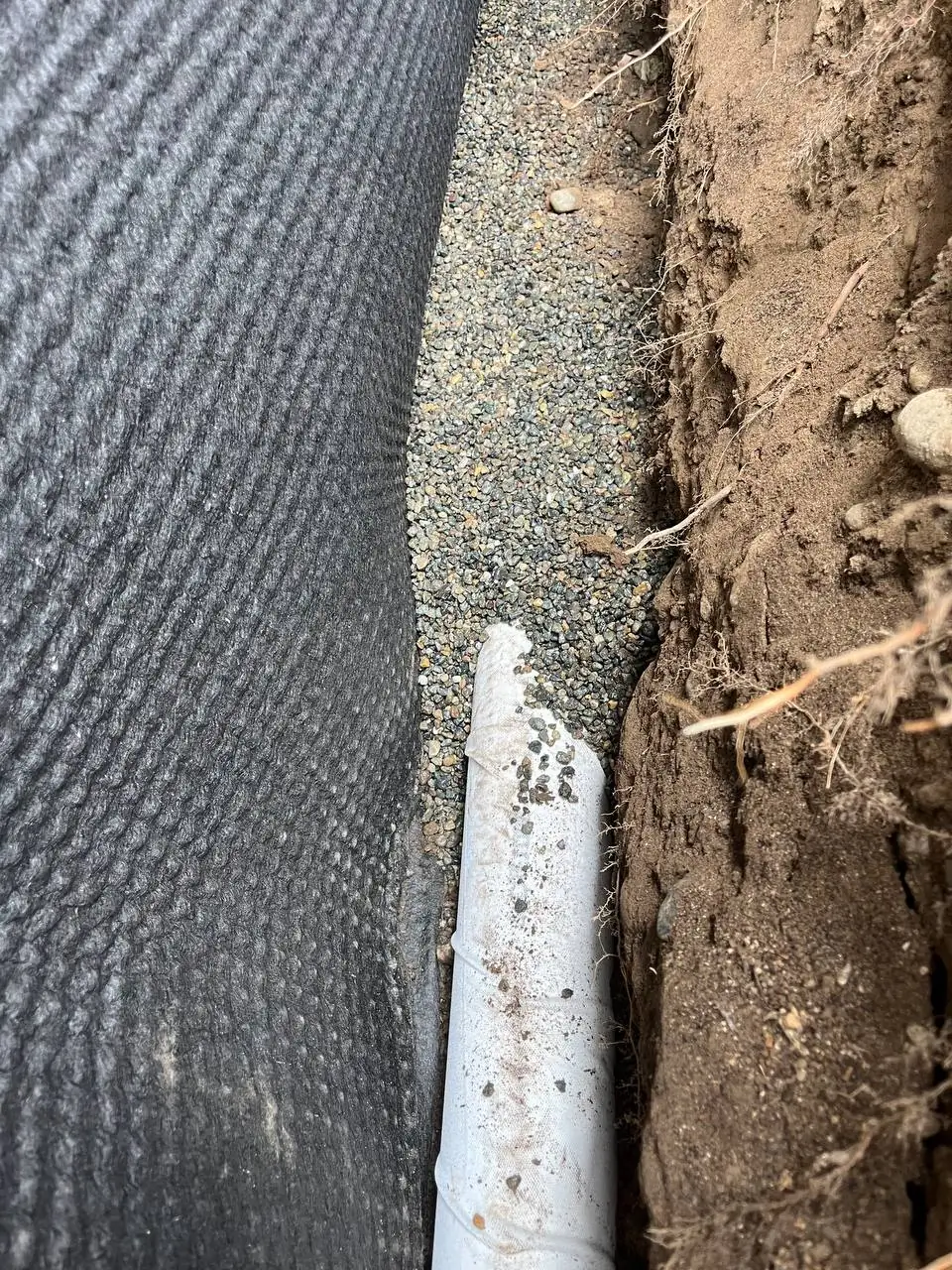
A perimeter footing collector—paired with an exterior French drain assembly—serves as the primary drainage mechanism at the base of the foundation. Installed below the top of the footing, the perforated pipe assembly intercepts water before it can bridge the wall-to-footing joint.
-
Precision Bedding: We install heavy-duty perforated pipe below the footing level in washed drainage stone, encased in high-permeability non-woven geotextile to filter river valley silts.
-
Dual Wall Membrane: Walls receive an elastomeric asphalt-emulsion waterproofing membrane backed by high-density polyethylene dimple board to channel exterior moisture straight down to the collector.
-
Controlled Discharge: In low-elevation river plain parcels, groundwater is routed to an interior or exterior NDS basin with dual submersible sump pumps, safely discharging away from foundation footings.


Diagnostic & Installation Protocol for Valley Residential Footings
As a certified drainage contractor serving this corridor, Basement Expert adheres to a rigorous field installation protocol engineered to satisfy municipal building codes and mitigate alluvial soil water tables:
- Perimeter Trenching & Soil Evaluation: Careful mechanical excavation to expose the footing, identifying soil saturation zones and utility clearances.
- Sub-Grade Wall Preparation: Pressure washing the concrete stem wall to clear mud and loose aggregate, exposing footing cold joints and cracks.
- Crack Repair & Tie-Hole Sealing: Structural polyurethane injection or hydraulic cement patch on all through-wall penetrations and cold seams.
- Elastomeric Membrane Application: Spray or roll application of seamless rubberized waterproofing membrane across the stem wall down over the footing shelf.
- Dimple Board & Footing Collector Placement: High-density dimple drainage sheet coupled with perforated PVC or dual-wall pipe wrapped in washed drainage aggregate and geotextile filter fabric.
- Engineered Discharge Routing & Backfill: Connecting the collector to a daylight gravity line or high-capacity sump station, followed by stratified backfill and positive surface grading away from the foundation.
Our field scope for foundation waterproofing in Snohomish emphasizes exterior hydrostatic relief before any interior channel quote.


Why Local Property Owners Trust Basement Expert
Local, Family-Owned Expertise
When water is threatening your home’s foundation, you don’t want to be put on hold by a national call center. Basement Expert (operating under Artbrick LLC) is a local, family-owned team that lives and works right here in the Pacific Northwest. We understand the specific soil, heavy rainfall, and drainage challenges of our region because we deal with them on our own properties. From our home base in Lynnwood all the way down to Renton, we treat every customer like a neighbor—delivering honest assessments and permanent repairs without the high-pressure sales tactics used by large corporate franchises.
NDS Certified Drainage Specialists
Water management is a science. As an NDS Certified Drainage Communicator, we don’t just guess where the water is coming from or slap a temporary patch on a wet wall. Our waterproofing systems are rooted in true hydraulic engineering. We calculate water flow, assess soil saturation levels, and design custom drainage solutions that permanently relieve hydrostatic pressure from your foundation.
Clean-Air HEPA Filtration Technology
We respect your home and your family’s health. While interior foundation repair involves cutting concrete and grinding walls, it shouldn’t leave your house covered in hazardous dust. Our crew utilizes specialized, industrial-grade HEPA-filtered air scrubbers and dust extraction equipment throughout your entire project. We isolate our workspace to ensure your indoor air remains clean, safe, and dust-free from start to finish.
New Construction and Commercial Footing Systems
We have collaborated with numerous leading builders across the regional corridor to offer seamless, top-notch waterproofing solutions that do not impede the construction process. For newly constructed foundations, we utilize the materials and techniques mentioned above to deliver comprehensive water control. Our offerings encompass the installation of sub-grade moisture management systems, both interior and exterior basement waterproofing, drainage collectors, and sump pumps.
Waterproofing the Existing Foundation
For existing structures, many problems with water can result from not having proper footing-level waterproofing from the beginning. As a certified structural repair company, we can assist homeowners with repairs no matter how complex their existing water problems are. The structural crack work service includes:
- Remove the rotten wood due to water absorption.
- Treat external cracks and prevent water from seeping through the wall into the house and floor.
- Raise the foundation in case the foundation subsides, slips, or appears to have gaps between the floor, ceiling, and wall.
- Concrete shrinkage causes the wall to crack (need to check the specific cause).
Many other possible problems may not be listed. So, you can contact us to book an inspection of your home’s foundation.
Footing Drain & Membrane Scope & Investment Factors
Sub-grade moisture control and footing drainage costs locally vary based on perimeter linear footage, excavation depth, accessibility for machinery, and whether structural stabilization is needed alongside drainage. Spot crack injection and minor joint sealing typically start around $600 to $1,500, while comprehensive perimeter excavation, dual-layer elastomeric membrane, and continuous footing drain installation generally range from $12,000 to $22,000. Every written proposal from Basement Expert details transparent, itemized line items based on our on-site inspection.
Footing Drainage & Structural Assemblies — Technical FAQs
Review common technical questions regarding footing drainage assemblies, exterior membranes, and groundwater management for local residential properties:
Neighborhoods and Service Areas We Serve
From our Lynnwood headquarters we run foundation waterproofing in Snohomish daily—the Snohomish River Valley, the First Street historic corridor, Three Lakes, and Fobes Hill. Glacial till, clay, and seasonal groundwater show up as footing-joint seepage, not just floor dampness.
Nearby Cities
For finished-space floor seepage, see our finished-basement drainage page. Hub overview: foundation waterproofing.

