


Engineered fixes for bowl-floor and Richmond Beach loads
Basement Expert handles foundation repair in Shoreline when the footing on a bowl-floor lot stays wet for days after a storm, when bluff soil in Richmond Beach or Innis Arden starts leaning a basement wall in, or when a stair-step crack opens up at a corner. Before anyone talks piers, composite straps, or injection, we measure how the crack is behaving, whether the wall is still plumb, and how wet the stem wall gets. Painting over it isn’t on the list.
Licensed ARTBRL*812B8. Inspection-first. Call (206) 388-7867 to schedule an on-site evaluation.



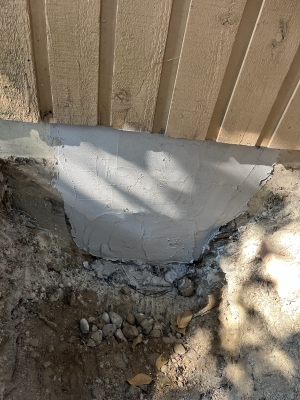
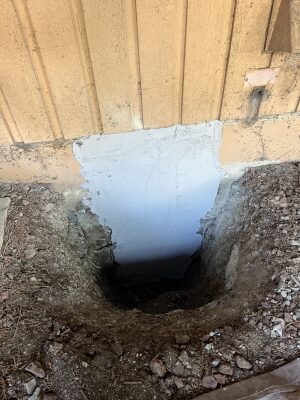
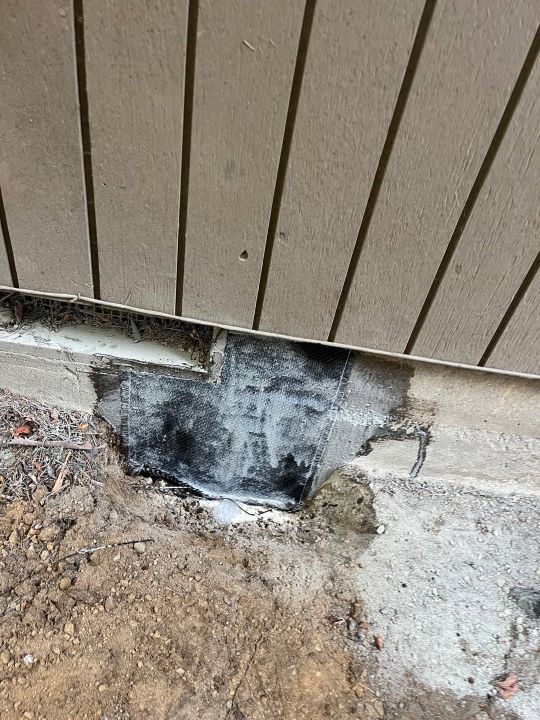
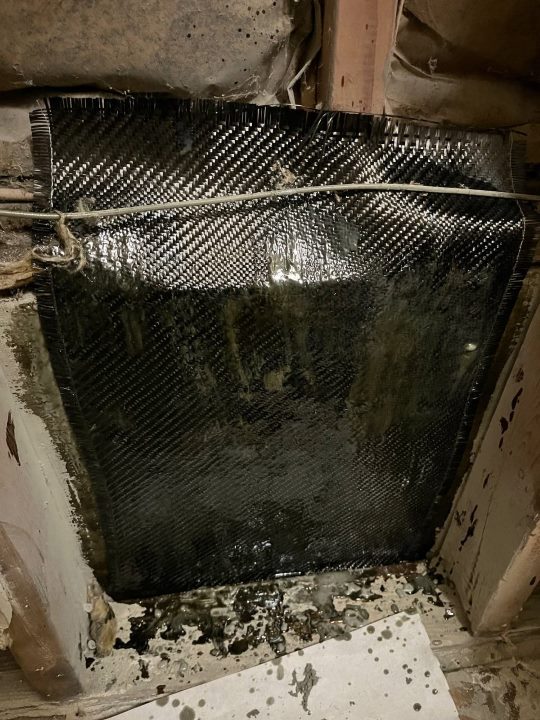
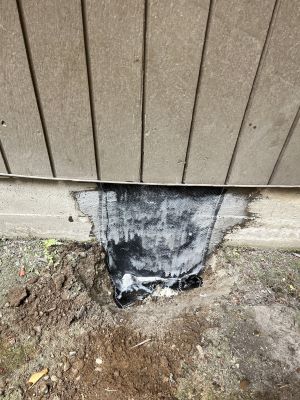
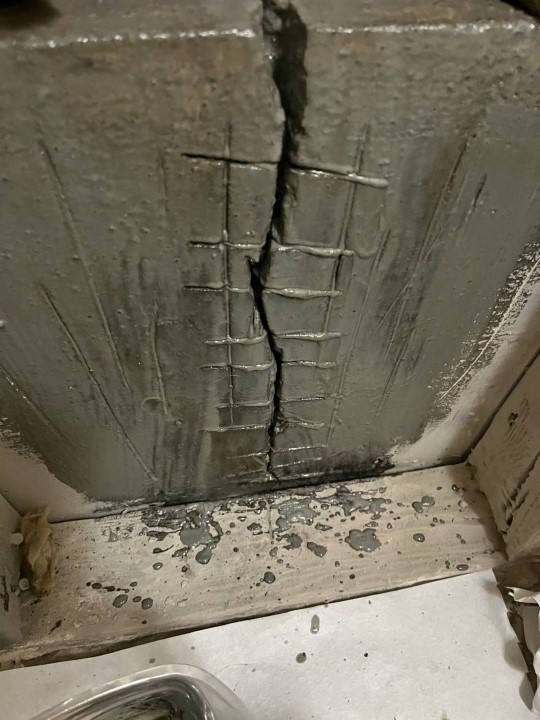
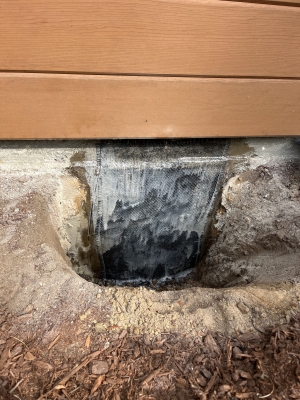
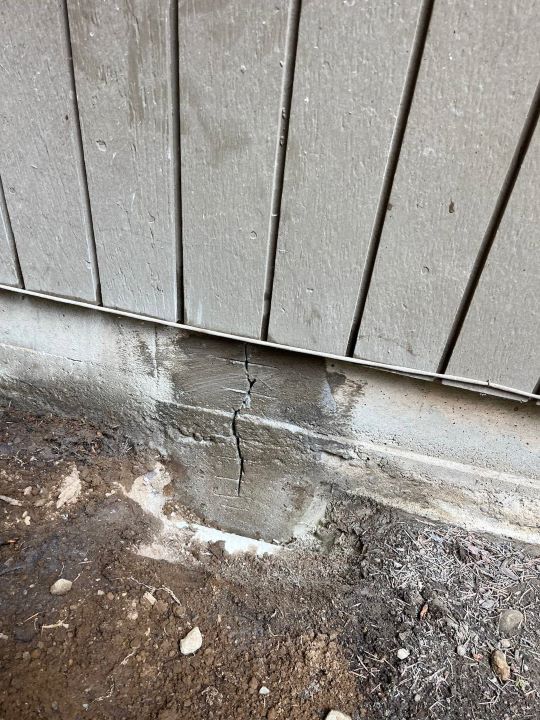
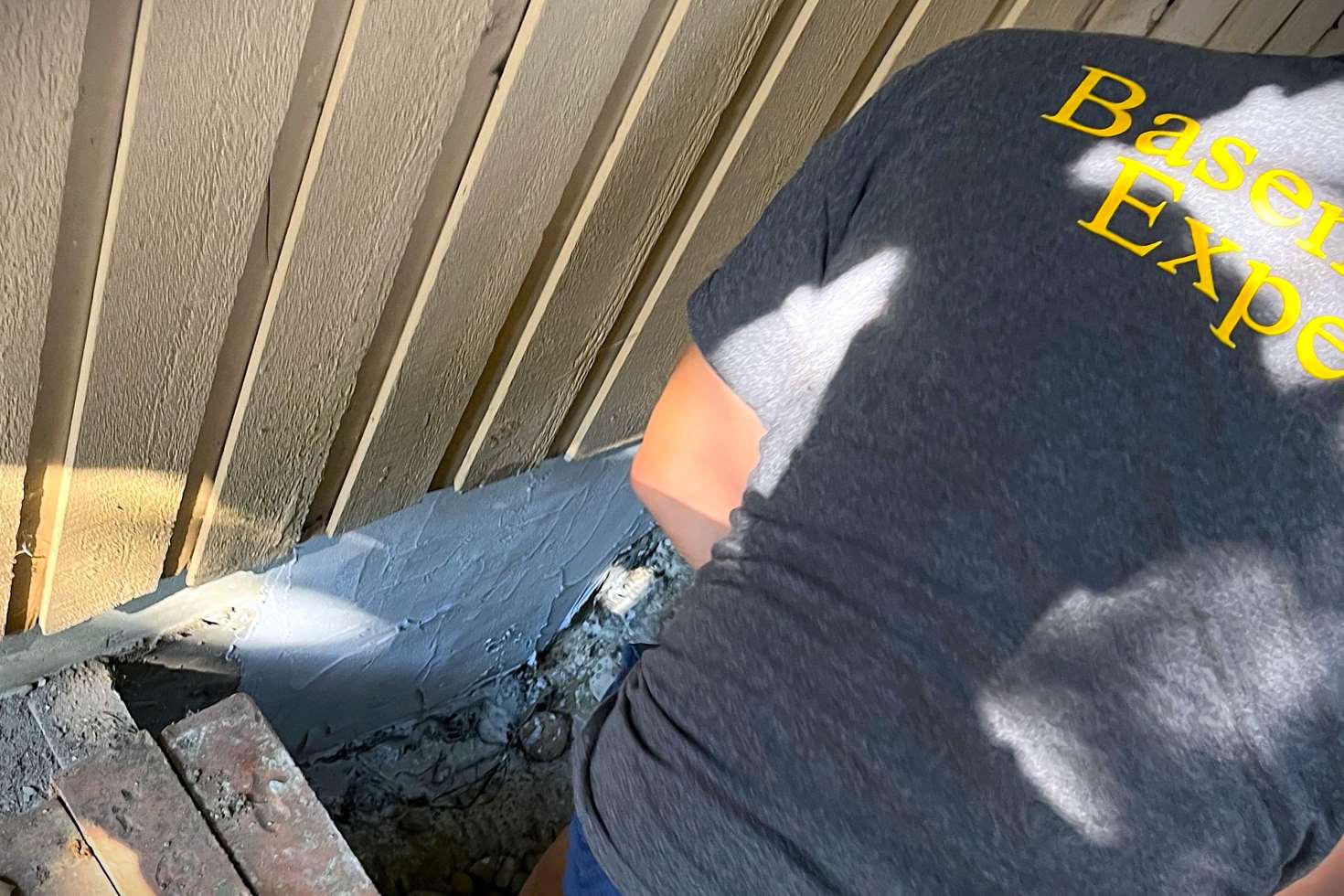
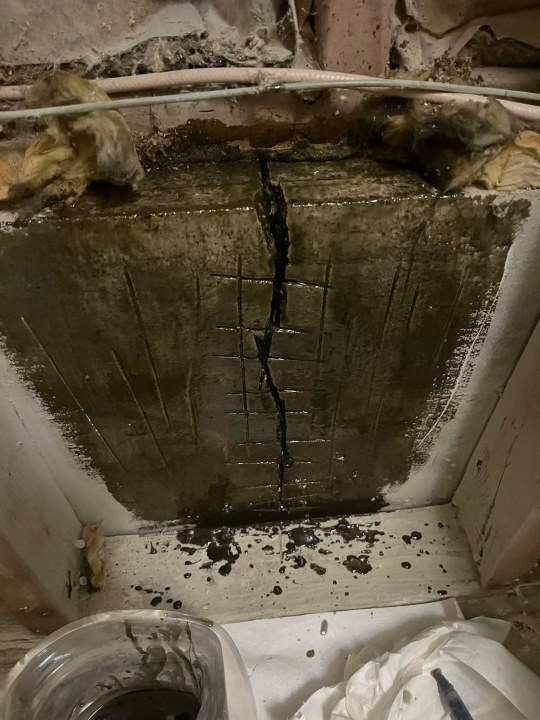
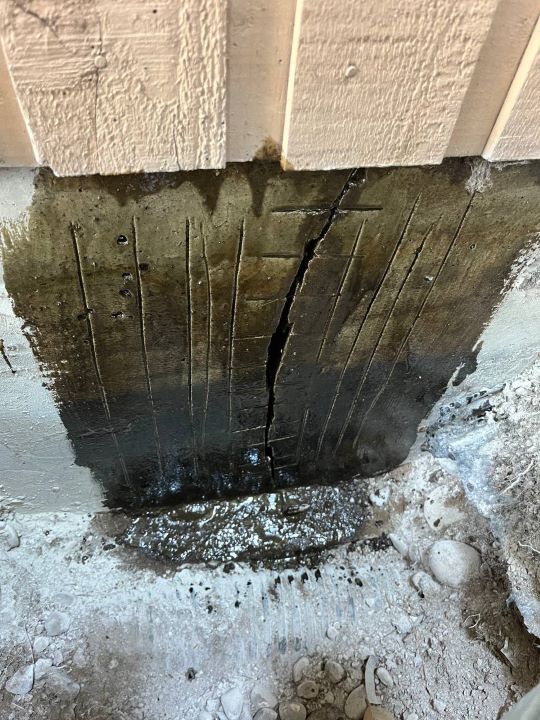
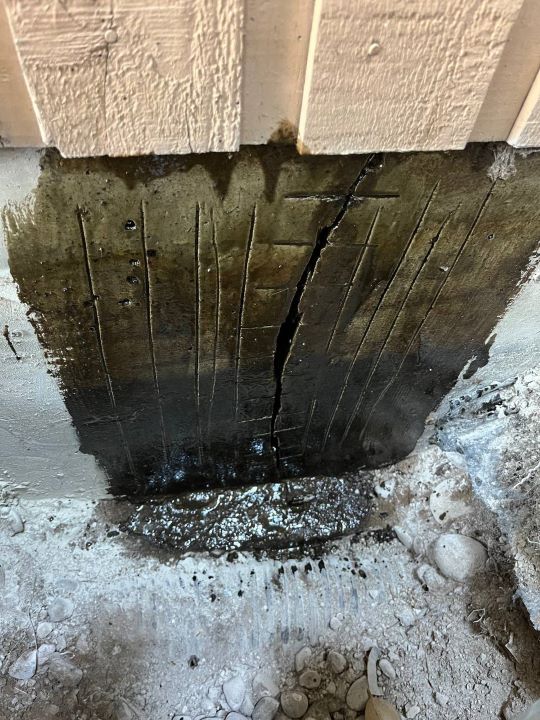
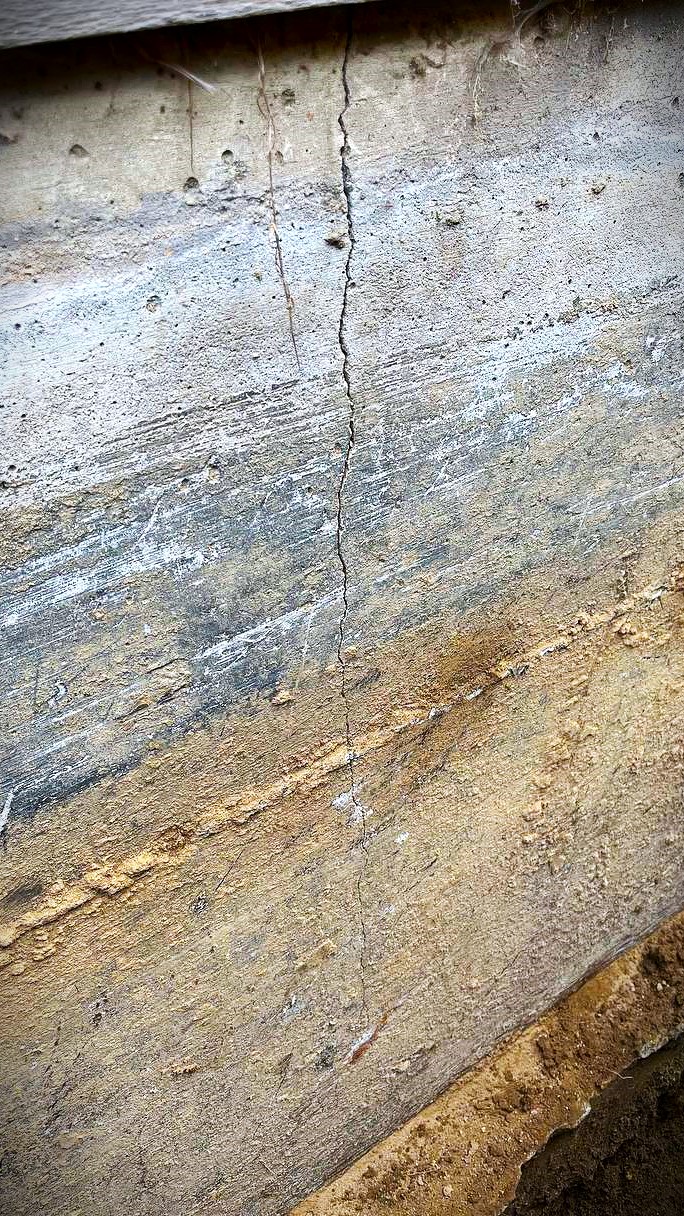
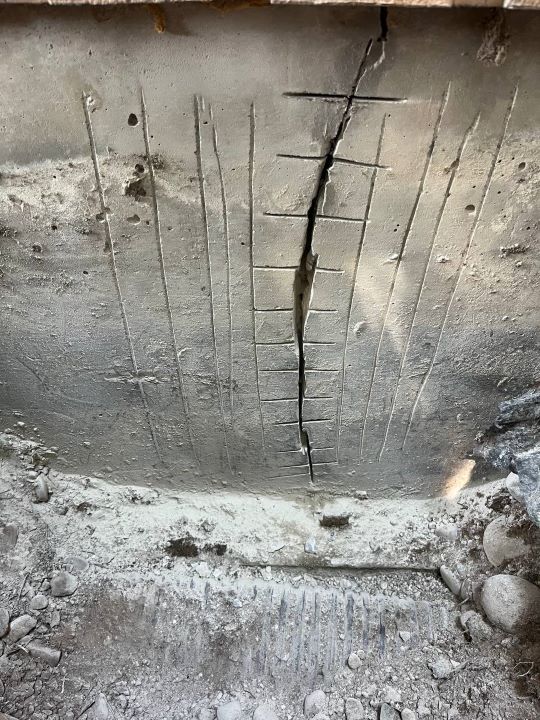
Bowl-floor wet footings vs bluff-edge wall push
Shoreline gives us two very different problems. Down on the bowl floor, around Echo Lake, Meridian Park, and lower Ridgecrest, the street can be dry for days while the footing joint is still damp. Keep that up long enough and the soil under the footing softens, and settlement cracks follow. Up in Richmond Beach and Innis Arden it’s the opposite: tighter till and steeper yards push sideways on the wall. There, the warning sign is a horizontal crack with the wall bowing in, not a wet carpet.
Call us when you see:
- Horizontal cracking with wall lean after multi-day rain
- Stair-step cracks at corners or chimney/garage offsets
- Doors that rack only on the downhill or wet side of the house
- New gaps at the floor joint that grow across seasons
A thin shrinkage crack that never changes is a different story. If watching it makes more sense than bolting anything on, we’ll tell you.
How we stabilize the foundation
1. Measuring What the Wall Is Doing
First visit, we measure crack width and direction, check the wall for plumb and the floor for slope, and photograph the footing joint wet and dry. On the bowl floor we pay closest attention to how long the dampness hangs on after a storm. On the bluff side it’s how far the wall leans. You get a written explanation of the cause, not a catalog.
2. Getting In Without Wrecking the Yard
Plants get covered, utilities get marked, and we plan how equipment reaches the wall. On a tight Richmond Beach lot that usually means smaller machines and a cleared path. If straps or injection can fix it from inside, we stay inside. Digging only happens when the footing bearing or outside drainage needs it.
3. Matching the Fix to the Load
What we measured decides the hardware. Settling that needs deeper support gets push or helical piers. A wall tipping inward gets composite straps. Some houses need both. There’s no one package that fits every Shoreline lot, and we won’t pretend there is.
4. Sealing Cracks Once They’ve Stopped
Once nothing is moving, individual cracks get sealed with polyurethane or epoxy, whichever suits the crack. If it turns out water is the bigger problem than structure, we send you to basement waterproofing or foundation waterproofing rather than selling more structural hardware.
5. Walkthrough and Paperwork
At the end we walk the job with you and check it against the measurements in the proposal. The area gets cleaned up, and you keep as-built notes and the warranty limits in writing. Got a question partway through? Call (206) 388-7867.
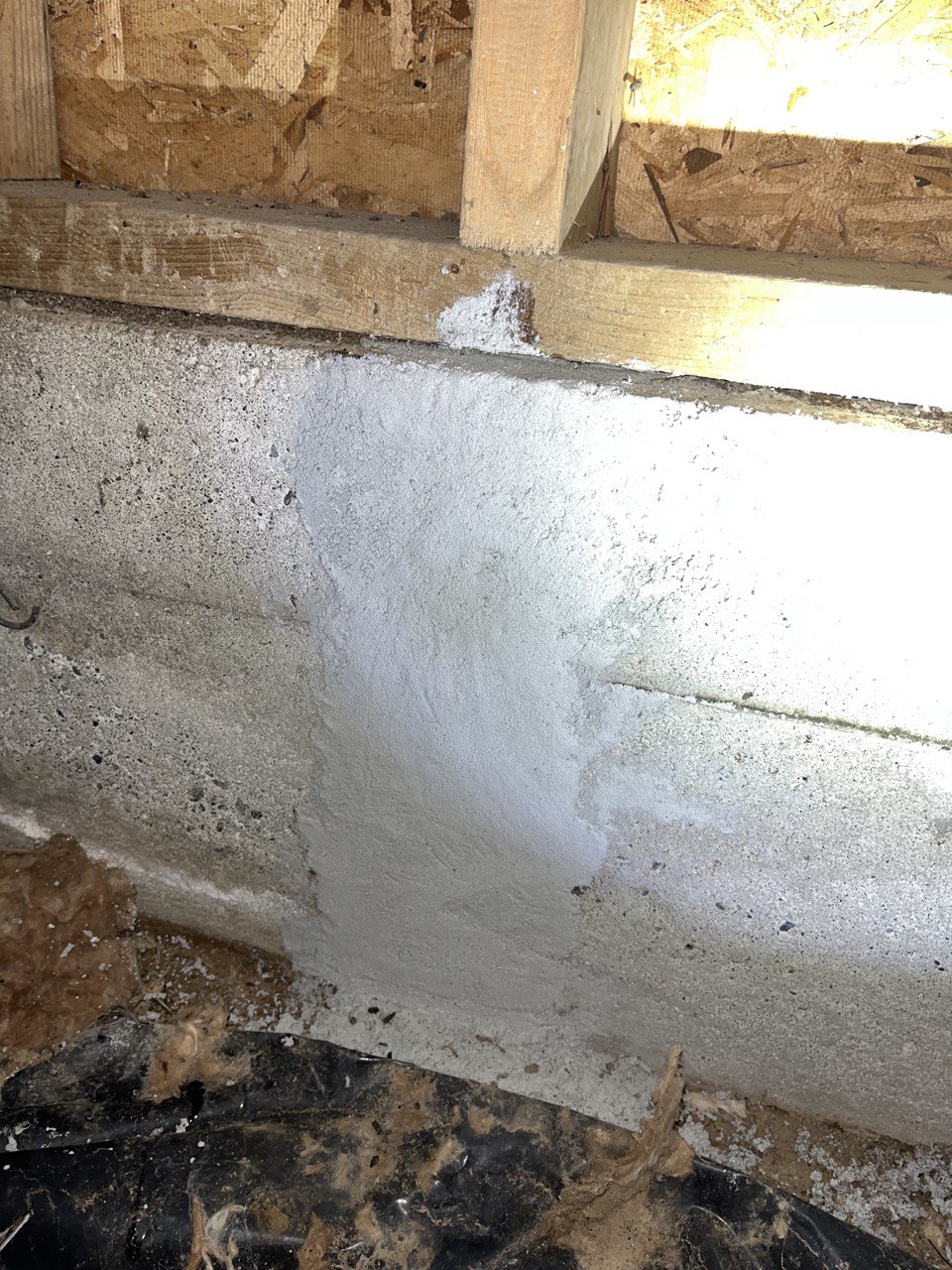
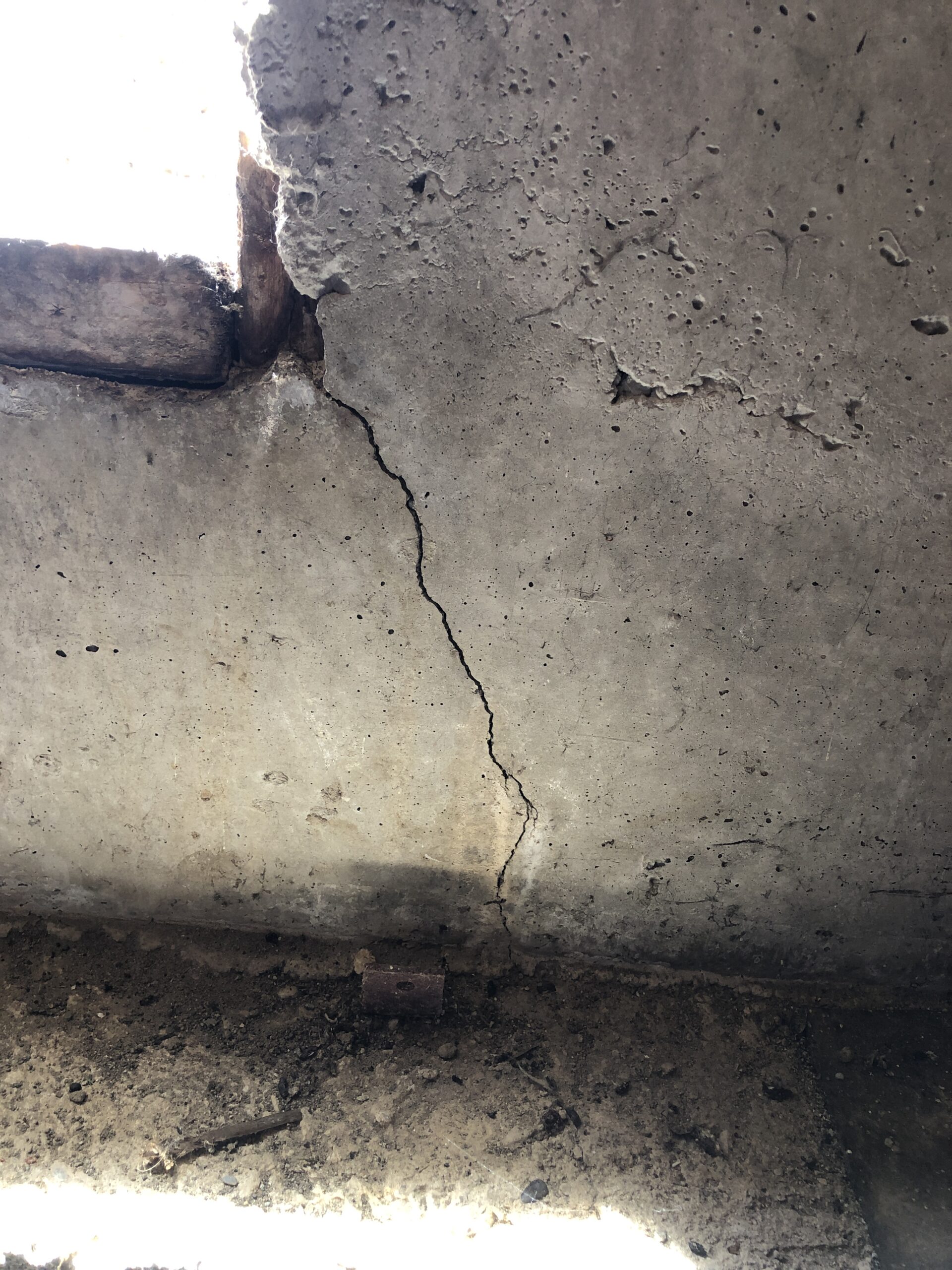
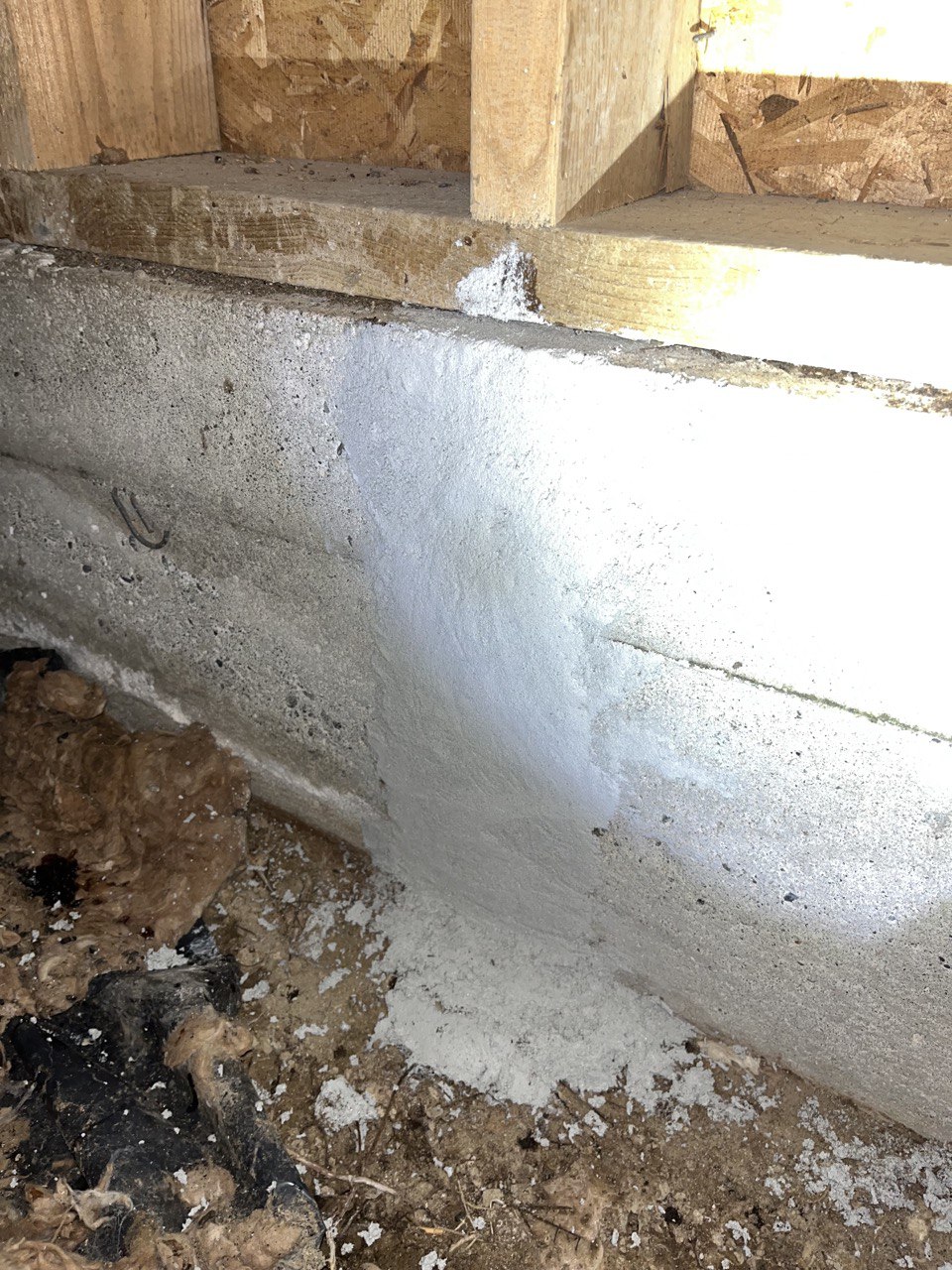
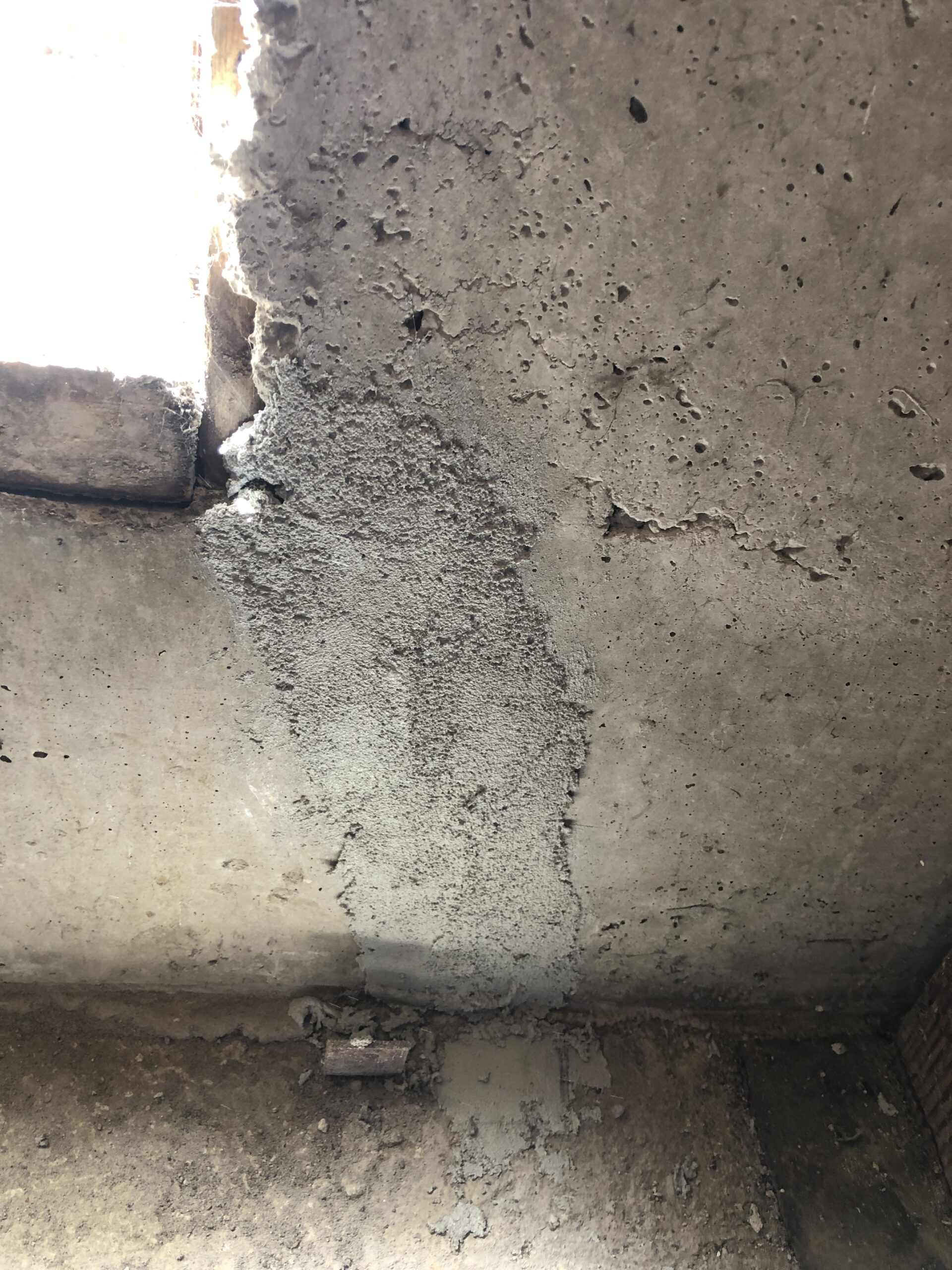

What sets the structural scope apart
We write down what’s actually failing before we recommend anything. Is the footing settling, is soil pushing the wall sideways, or is it an old crack that’s done moving? Those three get very different fixes.
When water pressure is what keeps cracking the wall, sealing over it won’t last, so we line up a drainage fix alongside the structural work. The structural side is what this page covers. Water systems are their own service.
Our crew trained on public works jobs and is NDS-certified on drainage, and we bring that same habit of documenting each step to houses.
You won’t hear a “lifetime” promise in place of a diagnosis. The scope limits are written down, and the design answers what we measured.
Prices are broken out by pier count, strap length, access, and digging. Nobody should be quoting you one number over the phone from a photo.



Crack mapping before any injection
Each crack gets marked as active or stable, and we note whether it grows during rainy weeks. A crack in the drywall or paint isn’t the same as one running through the stem wall. If the wall is still moving, injection on its own won’t hold, so straps or piers go in first.
For isolated sealing without broader movement, see our foundation crack repair path. Wider settlement or bowing stays on this structural scope.
Depth reading when you are listing soon: selling a Seattle-area home with foundation cracks—document, disclose, then decide repair order.
Piers, straps, or seal—matched to the load
Bowl-floor settlement usually needs bearing restored with piers once we confirm the pad is dropping, not just shrinking. Bluff-edge lean more often needs tensile restraint with composite straps (or anchors when the wall type requires them). Mixed sites get a written split scope so you are not paying for excavation you do not need.
French drains and exterior waterproofing belong when water paths undermine bearing or keep the wall loaded—we link those jobs out rather than stuffing them into a structural-only quote. Call (206) 388-7867 with photos of the crack pattern and whether the basement stays wet after storms.
Residential pads and light commercial access
Most calls here are single-family basements and daylight lower levels: crack maps, pier layouts, and strap runs with a clear indoor path. Light commercial and HOA buildings get the same measurement sequence, with phased access when tenants stay open.
Related structural paths:
- Wall reinforcement with composite straps — bowing or leaning walls
- French drain — when drainage is the primary water path (not a substitute for piers)
- Greater Seattle foundation repair hub — regional methods (Seattle folded there)
Service areas
We work throughout Shoreline, including Richmond Beach, Innis Arden, Echo Lake, Ridgecrest, Hillwood, Meridian Park, and North City corridors. Scopes follow what we measure on site—bowl-floor wet footings and bluff-edge wall loads are not the same script.
Same-service peer cities:
Ready for foundation repair in Shoreline that starts with measurement? Call (206) 388-7867 to schedule an assessment.
FAQ
Why do bowl-floor homes stay wet at the footing longer than ridge lots?
Runoff drains down into the bowl, and the water table sits higher against the stem wall after a storm. Ridge and bluff lots shed water quicker, but their soil leans harder on the wall. Timing how long the footing joint stays wet tells us whether piers or straps make more sense.
Is Richmond Beach bluff seepage the same problem as settlement?
No. Seepage is water moving through soil or cracks; settlement is bearing loss under the footing. They can show up together, but sealing water without restoring bearing—or piers without relieving ongoing water load—misses half the job. We separate the two on the proposal.
When is monitoring enough instead of straps or piers?
If a hairline crack hasn’t grown over several seasons and the wall isn’t leaning, dated photos are often all you need. A fresh stair-step crack, a horizontal bulge, or a gap that opens up after rainy weeks is when it’s time to measure and scope a repair.
What access limits show up on steep Richmond Beach lots?
Skinny side yards, retaining walls, and not much room to park on the street can push us toward straps installed from inside or smaller pier rigs. We sort that out on the first visit, so the bid covers how we’ll actually get in and you don’t get a change order later.
What should I photograph before you arrive?
Take a wide shot of each crack and a close-up with a coin or ruler next to it. Doors that stick are worth a picture too, and so are the same spots after a big rain. Mention if the basement smells musty or the pump keeps cycling. That timing helps us tell water pressure apart from slow settlement.

