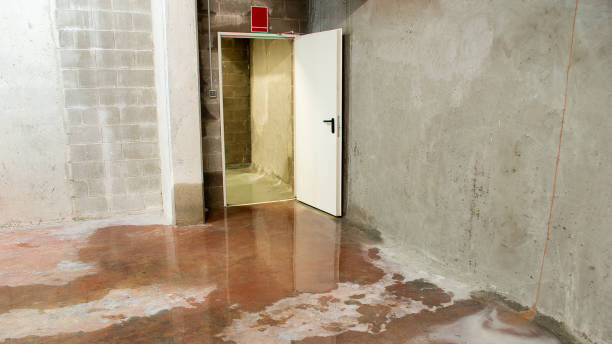
Imagine this: It’s 2:00 AM on a rainy Tuesday in November. The phone rings, and your property manager is on the other line. A localized pipe failure has just flooded the entire first floor of your Bellevue office complex, or perhaps the relentless Seattle rain has finally found a weakness in your Everett warehouse roof.
In that moment, panic sets in. You aren’t just looking at wet carpets and damaged drywall; you are looking at halted operations, compromised inventory, displaced tenants, and a ticking clock of lost revenue.
When disaster strikes a commercial property, the stakes are exponentially higher than in a residential emergency. Yet, an alarming number of business owners and property managers are entirely unprepared for the reality of commercial restoration. They mistakenly believe that a wet vacuum, a few box fans, and a call to a standard janitorial service will solve the problem.
This misconception costs Pacific Northwest businesses millions of dollars every year in secondary damage, severe mold infestations, and prolonged operational downtime.
At Basement Expert, we have spent years mitigating disasters across Seattle, Bellevue, and Everett. We’ve seen firsthand what happens when businesses act quickly with the right professionals, and what happens when they delay. In this comprehensive guide, we are pulling back the curtain on the commercial restoration industry. We will explore the hidden realities of property damage, provide total transparency on costs and processes, and share real-world before-and-after case studies from your local area.
If you own or manage commercial property in the Puget Sound region, this is the information you need to protect your investment, your employees, and your bottom line.
1. The Hidden Reality: Why Commercial Restoration is Different
When a commercial building suffers water, fire, or storm damage, the path to recovery is complex. Commercial restoration is not merely “cleaning up.” It is a highly specialized, scientifically driven process governed by strict industry standards, building codes, and environmental regulations.
Here is what most business owners don’t realize about the commercial restoration landscape:
The Threat of Secondary Damage
The primary event—the burst pipe, the flooded basement, the leaking roof—is only the beginning. The true financial devastation often comes from secondary damage. When moisture is left untreated in a commercial space for more than 24 to 48 hours, it begins to evaporate and raise the indoor relative humidity.
This excess moisture is absorbed by porous materials throughout the building: ceiling tiles, drywall, wooden structural supports, and even paper records. Within days, this leads to structural warping, corrosion of sensitive electronic systems, and the rapid amplification of microbial growth (mold).
Strict Health and Safety Compliance
Commercial properties are heavily regulated work environments. If your building experiences water damage, particularly from a contaminated source like a sewage backup or floodwater, you are legally obligated to ensure the environment is safe for your employees and customers before reopening.
The Occupational Safety and Health Administration (OSHA) strictly regulates how hazards like mold must be handled in the workplace. If you attempt a DIY cleanup and inadvertently expose your staff to toxic molds or bacterial contaminants, your business could face severe legal liability. For detailed guidelines on maintaining a safe environment during a moisture event, you can review OSHA’s Brief Guide to Mold in the Workplace.
Scale and Complexity
A residential water damage event might involve 1,500 square feet. A commercial loss can span 50,000 square feet across multiple stories, involving complex HVAC systems, commercial-grade plumbing, elevator shafts, and specialized flooring. Drying a multi-story office building or an industrial manufacturing facility requires heavy-duty, three-phase power equipment, desiccant dehumidifiers that can remove hundreds of gallons of water per day, and thermal imaging cameras to track moisture behind commercial drywall and concrete.
2. How the Pacific Northwest Climate Accelerates Damage
To understand commercial restoration in our region, you have to understand the unique environmental pressures of the Pacific Northwest. Businesses in Seattle, Bellevue, and Everett face a distinct set of challenges that accelerate property damage and complicate the restoration process.
The “Slow Drip” of Seattle’s Climate
While cities in the South and Midwest worry about hurricanes and flash floods, our region deals with chronic dampness. Seattle averages around 37 to 38 inches of rainfall annually. However, it’s not the volume of rain that causes the most damage; it’s the duration. We experience over 150 days of precipitation a year.
This constant barrage of moisture means that buildings rarely have a chance to naturally dry out during the wet season. A minor roof leak in an Everett industrial park might go unnoticed for weeks. By the time the water stains appear on the interior ceiling, the insulation is thoroughly soaked, and black mold has already colonized the attic space.
Topography and Topsoil
The Puget Sound region is characterized by hilly terrain, dense clay soils, and high water tables. During heavy winter rainstorms, the ground quickly becomes saturated. For commercial buildings with basements or sub-grade parking garages—common in downtown Seattle and Bellevue—this creates immense hydrostatic pressure against the foundation walls.
Water is forcefully pushed through microscopic cracks in the concrete, leading to sudden and severe basement flooding. The city’s aging infrastructure further complicates this; during peak storms, municipal storm drains can back up, sending contaminated water directly into commercial properties. You can read more about how local infrastructure and climate impact buildings at the City of Seattle’s Environment and Climate Change portal.
The Mold Window
Because our baseline humidity is relatively high during the fall and winter, the window of time you have to dry a building before mold sets in is drastically shortened. The Environmental Protection Agency (EPA) notes that mold can begin growing on damp surfaces within 24 to 48 hours. In a commercial setting with limited airflow, that timeline can be even shorter. Immediate extraction and aggressive dehumidification are non-negotiable in our climate. For more information on how commercial properties should handle microbial threats, refer to the EPA’s Guidelines for Mold Remediation in Schools and Commercial Buildings.
3. What Actually Happens During Commercial Restoration?
One of the biggest anxieties business owners face is the unknown. What happens when the restoration trucks pull up? How long will this take? Can we stay open?
At Basement Expert, we believe in total process transparency. Here is the exact, step-by-step commercial restoration process we use to get Bellevue, Everett, and Seattle businesses back on their feet.
Phase 1: Emergency Triage and Assessment (Hours 1-4)
When you call for commercial restoration, the response must be immediate. Our first goal is to stop the bleeding.
-
Source Identification: We locate and neutralize the source of the water or damage.
-
Safety Inspection: We check for electrical hazards, structural instability, and slip-and-fall risks.
-
Scope of Work: Using infrared thermal imaging and penetrating moisture meters, we map the exact extent of the moisture intrusion. Water often travels behind walls and under commercial carpeting. What looks like a 10-foot puddle might actually be a 1,000-square-foot moisture footprint.
Phase 2: Containment and Extraction (Hours 4-12)
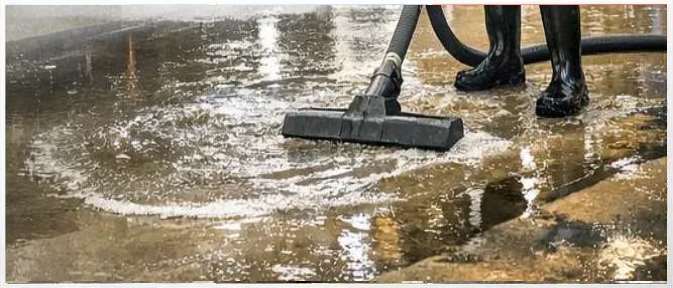
If the damage is localized, we immediately set up containment barriers using heavy-duty plastic sheeting and negative air pressure machines equipped with HEPA filters. This allows your business to potentially keep operating in the unaffected areas without risking cross-contamination. Next, we perform bulk water extraction. Using truck-mounted industrial extractors and weighted rovers (which physically squeeze water out of commercial carpet pads), we physically remove as much liquid as possible. Removing water physically is 1,200 times faster than removing it through evaporation.
Phase 3: Mitigation and Structural Drying (Days 1-4)
This is the phase most business owners misunderstand. Once the standing water is gone, the building is still wet. We install a carefully calculated drying system consisting of:
-
Low-Grain Refrigerant (LGR) Dehumidifiers: To pull moisture out of the air.
-
High-Velocity Air Movers: To sweep wet air away from structural surfaces and replace it with dry air.
-
Desiccant Dehumidifiers: For severe cases or massive warehouses, which use chemical silica to achieve extreme dry environments.
During this phase, we monitor the site daily, recording moisture levels in the wood, concrete, and air to prove scientifically that the building is returning to its dry standard. If you are dealing specifically with liquid-based disasters, you can learn more about our targeted protocols for commercial water damage restoration.
Phase 4: Cleaning, Sanitization, and Odor Removal
Water damage leaves behind odors, bacteria, and debris. We use EPA-registered antimicrobial treatments to sanitize all affected surfaces. If the water came from a contaminated source (like a sewer line), we follow highly specific protocols to safely dispose of contaminated materials and sterilize the environment.
Phase 5: Build-Back and Complete Restoration
The final step is returning your property to its pre-loss condition. This involves replacing drywall, installing new flooring, painting, and restoring any structural elements that had to be removed during the mitigation phase. By handling both the mitigation and the reconstruction, we eliminate the delays of handing the project off to a separate general contractor.
4. What Does Commercial Restoration Cost?
The reluctance to call a professional often stems from the fear of a massive bill. However, what most property managers don’t realize is that waiting always costs more. A $3,000 clean-water extraction job on Monday can easily turn into a $30,000 hazardous mold remediation and demolition job by Friday.
While it is impossible to give an exact quote without seeing the property, we want to provide total transparency on the factors that drive commercial restoration costs:
1. The Category of Water
The industry classifies water damage into three categories, which heavily dictate the cost:
-
Category 1 (Clean Water): From a broken water supply line or overflowing sink. This is the cheapest to restore because materials can often be dried and saved.
-
Category 2 (Grey Water): From appliances, fire sprinklers, or cooling towers. It contains some contaminants and requires more aggressive sanitization. Carpet pads must usually be replaced.
-
Category 3 (Black Water): Sewage backups, river flooding, or standing water that has been ignored for 48+ hours. This is the most expensive. Porous materials (drywall, carpets, insulation) cannot be saved and must be demolished and replaced under strict safety protocols.
2. The Class of Water Damage (Evaporation Rate)
-
Class 1: Slow evaporation rate. Water affects only a small area of low-porosity materials.
-
Class 2: Fast evaporation rate. Water affects a large area of carpet and cushions.
-
Class 3: Fastest evaporation rate. Water comes from overhead, soaking ceilings, walls, insulation, and floors. Requires maximum equipment.
-
Class 4: Specialty drying situations involving wet concrete, hardwood floors, or plaster. Requires specialized equipment and extended drying times.
3. Business Interruption and Insurance
Most commercial policies include “Business Interruption Insurance.” This covers the income you lose while your business is closed due to a covered disaster. However, to claim this, your insurance provider will require meticulous documentation of the damage and the restoration process.
Working with a certified commercial restoration company ensures that moisture logs, photographic evidence, and itemized scopes of work are submitted directly to your adjuster, streamlining your claim and getting your recovery funds released faster.
5. Before and After Cases in the Puget Sound
To illustrate what commercial restoration looks like in action, here are three real-world scenarios based on typical jobs we handle across the region.
Case Study 1: The Historic Pioneer Square Retail Flooding (Seattle, WA)
The Problem: A historic brick-and-mortar clothing retailer in Seattle’s Pioneer Square district experienced a severe basement flood during a combination of heavy rainfall and a King Tide. Over two feet of Category 3 (contaminated) stormwater breached the basement, which was used for storing hundreds of thousands of dollars in seasonal inventory and vital business records.
The Aftermath: The owner was panicked, assuming the building’s historic foundation was ruined and the inventory was a total loss. The Basement Expert Solution: We arrived within 90 minutes. Our first priority was inventory salvage. We carefully documented and relocated uncompromised stock. For the water, we deployed high-capacity submersible pumps, clearing the standing water in hours. Because of the building’s age, we had to be incredibly careful with the brick and lath-and-plaster structures.
We initiated a heavy wash of the affected areas using EPA-registered biocides to neutralize the storm water pathogens. We then set up a massive desiccant dehumidification network, piping dry air directly into the basement vault. The Result: The business remained open on the first floor while we worked in the basement under negative air containment. We saved 80% of the inventory by acting fast, and the historic foundation was dried completely without structural damage. If you operate a business in the city, see why we are the trusted commercial restoration company in Seattle.
Case Study 2: The High-Rise Tech Hub Sprinkler Malfunction (Bellevue, WA)
The Problem: On a Saturday afternoon, a forklift driver in a newly renovated 6-story tech office in Bellevue accidentally clipped a commercial fire sprinkler head on the 4th floor. Thousands of gallons of Category 2 water cascaded down the elevator shafts and stairwells, severely damaging the 4th, 3rd, and 2nd floors. This impacted server rooms, high-end commercial carpeting, and acoustic ceiling tiles.
The Basement Expert Solution: This was a Class 3, multi-level water loss. Our primary challenge was protecting the server rooms on the 3rd floor. We immediately built containment barriers around the server racks and installed localized, climate-controlled dehumidification to keep the server humidity stable while the rest of the floor was drying.
We used specialized weighted extraction units to pull water out of the glued-down commercial carpets without having to tear them up, saving the client over $40,000 in replacement flooring costs. We removed the wet acoustic ceiling tiles to ventilate the sub-floor spaces and deployed over 100 high-velocity air movers. The Result: The tech company’s servers never went down. The 5th and 6th floors operated entirely as normal on Monday morning, and the affected floors were completely dried and sanitized within 4 days.
Case Study 3: The Industrial Warehouse Roof Failure (Everett, WA)
The Problem: During a brutal November windstorm, a section of an aging flat roof on an Everett manufacturing warehouse tore off. Heavy rain poured directly onto the production floor, soaking critical CNC machinery, raw materials (cardboard and wood), and the concrete slab.
The Basement Expert Solution: The immediate threat was the machinery rusting and the raw materials absorbing moisture and growing mold. We coordinated an emergency roof tarping service to stop the water intrusion. Inside, we sprayed a light coat of water-displacing oil on the unpowered machinery to halt flash rusting.
Drying a massive, drafty warehouse in the middle of winter is notoriously difficult. Standard LGR dehumidifiers struggle in cold temperatures. We brought in a large, trailer-mounted indirect-fired furnace to raise the ambient temperature of the warehouse, combined with desiccant dehumidification to aggressively dry the air. The Result: The concrete slab was dried before moisture could wick up into the stored pallets of raw materials. The machinery was saved, and the manufacturer experienced only 48 hours of downtime instead of the weeks it would have taken to replace the CNC equipment.
6. Why Business Owners Delay (And Why They Shouldn’t)
Despite the clear risks, many business owners hesitate to call a commercial restoration company. Common reasons include:
-
“My maintenance guy can handle it.” Facility managers are fantastic at day-to-day operations, but they do not have the training, $100,000 worth of specialized drying equipment, or the environmental liability insurance required to handle a Category 2 or 3 water loss safely.
-
“We can’t afford to close the doors.” The irony is that professional restoration often prevents closure. By using containment barriers and negative air pressure, we can often isolate the damage, allowing your business to operate safely in the remaining space.
-
“It doesn’t look that bad.” Water is insidious. It travels the path of least resistance, wicking up drywall (often 2 to 3 feet higher than the visible water line) and soaking the sill plates of the framing. By the time it “looks bad,” you are dealing with a severe mold and structural integrity crisis.
When you factor in the local Seattle climate, waiting is simply not an option. The longer water sits, the more materials cross the threshold from “salvageable” to “total replacement.”
7. Conclusion: Be Prepared Before Disaster Strikes
The most important thing a business owner can know about commercial restoration is that you shouldn’t wait until you are ankle-deep in water to figure out who to call. Having a trusted restoration partner vetted and saved in your emergency contacts is a critical component of any business continuity plan.
Whether you are dealing with a localized leak in a Bellevue retail shop, a flooded basement in Seattle, or storm damage in Everett, the principles remain the same: speed, expertise, and the right equipment dictate the outcome.
At Basement Expert, we are committed to providing the businesses of the Pacific Northwest with rapid, scientifically backed, and totally transparent restoration services. We don’t just extract water; we protect your livelihood.