

Foundation Repair in Marysville & Arlington, WA
Corridor settlement and wall push—scoped from what the pad shows.
Engineering-Grade Diagnostics
Active Water Diversion
Foundation Belting
Surface Sealing

Stillaguamish–I-5 corridor structural focus
Basement Expert handles foundation repair in Marysville when river-valley silt along the Stillaguamish softens bearing after multi-day rain, Smokey Point and Seven Lakes pads drop at corners, or Old Town Arlington walls show stair-step cracks from seasonal shrink-swell. We measure crack growth, wall plumb, and wet-vs-dry timing at the footing joint before we scope piers, composite straps, or injection—not a paint-over patch.
Licensed ARTBRL*812B8. Inspection-first. Call (206) 388-7867 to schedule an on-site evaluation.



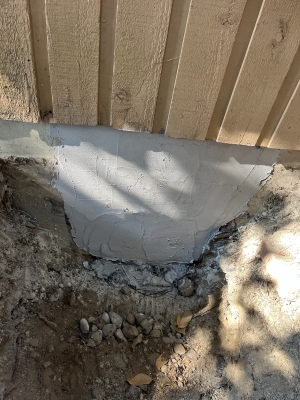
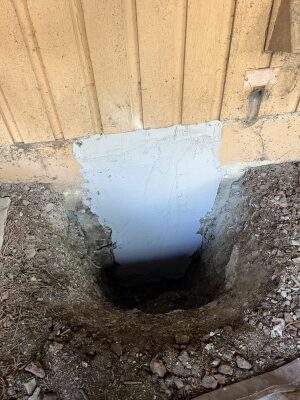
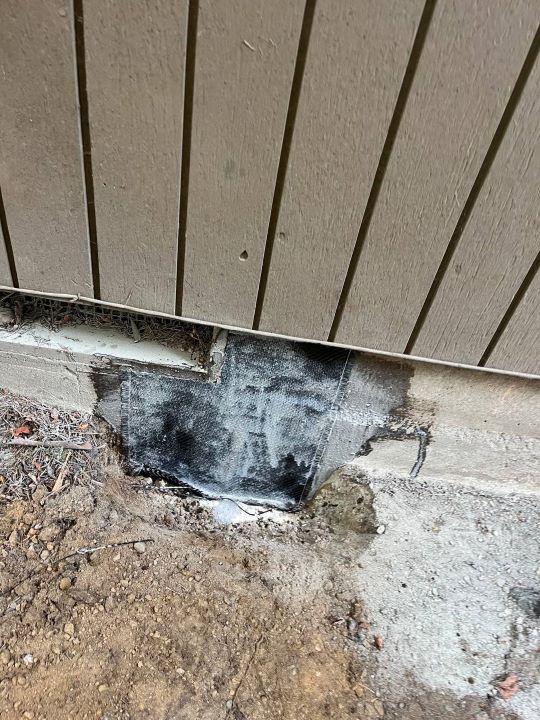
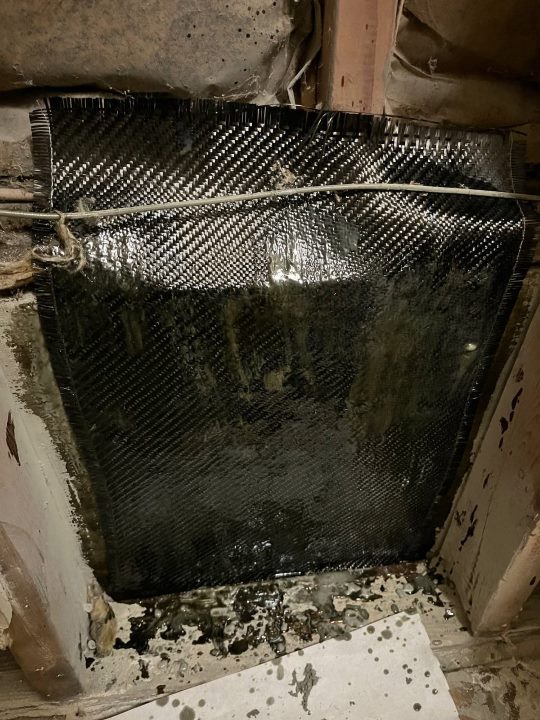
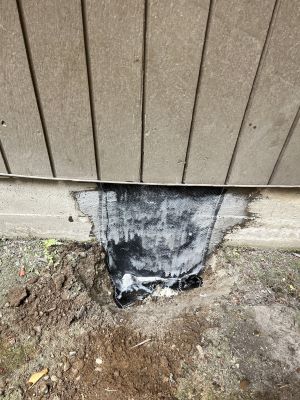
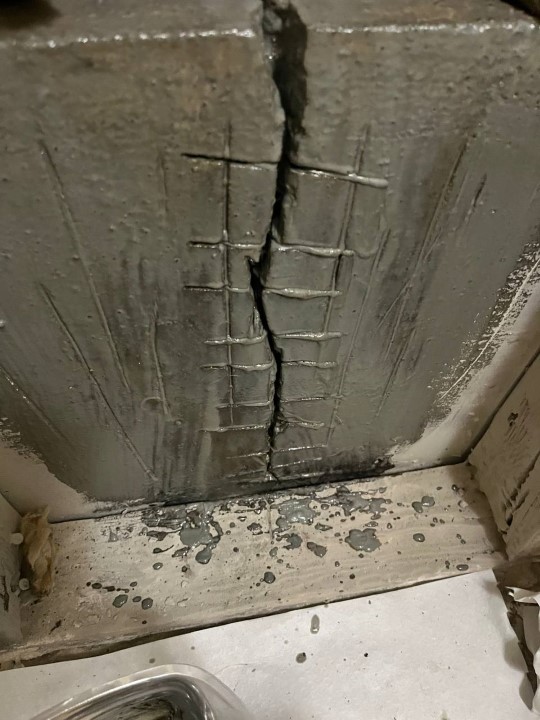
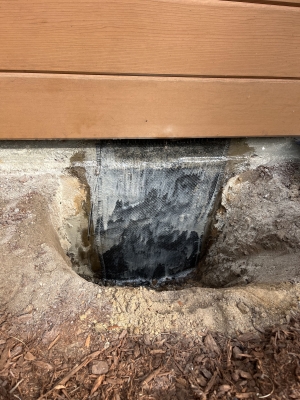
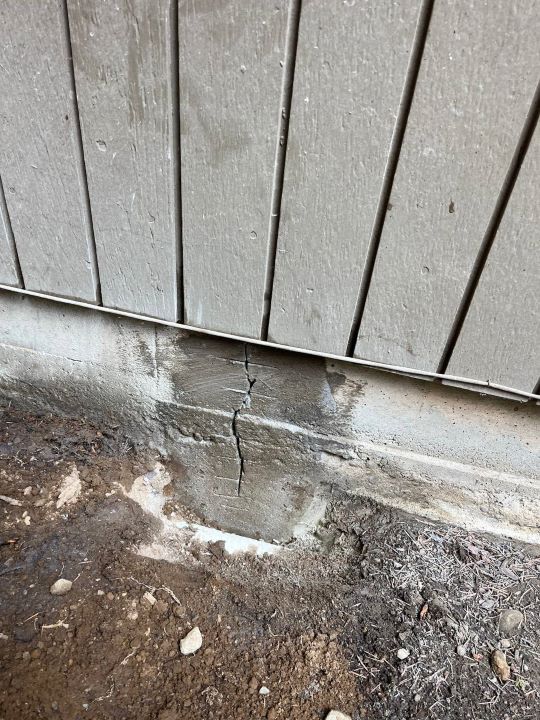
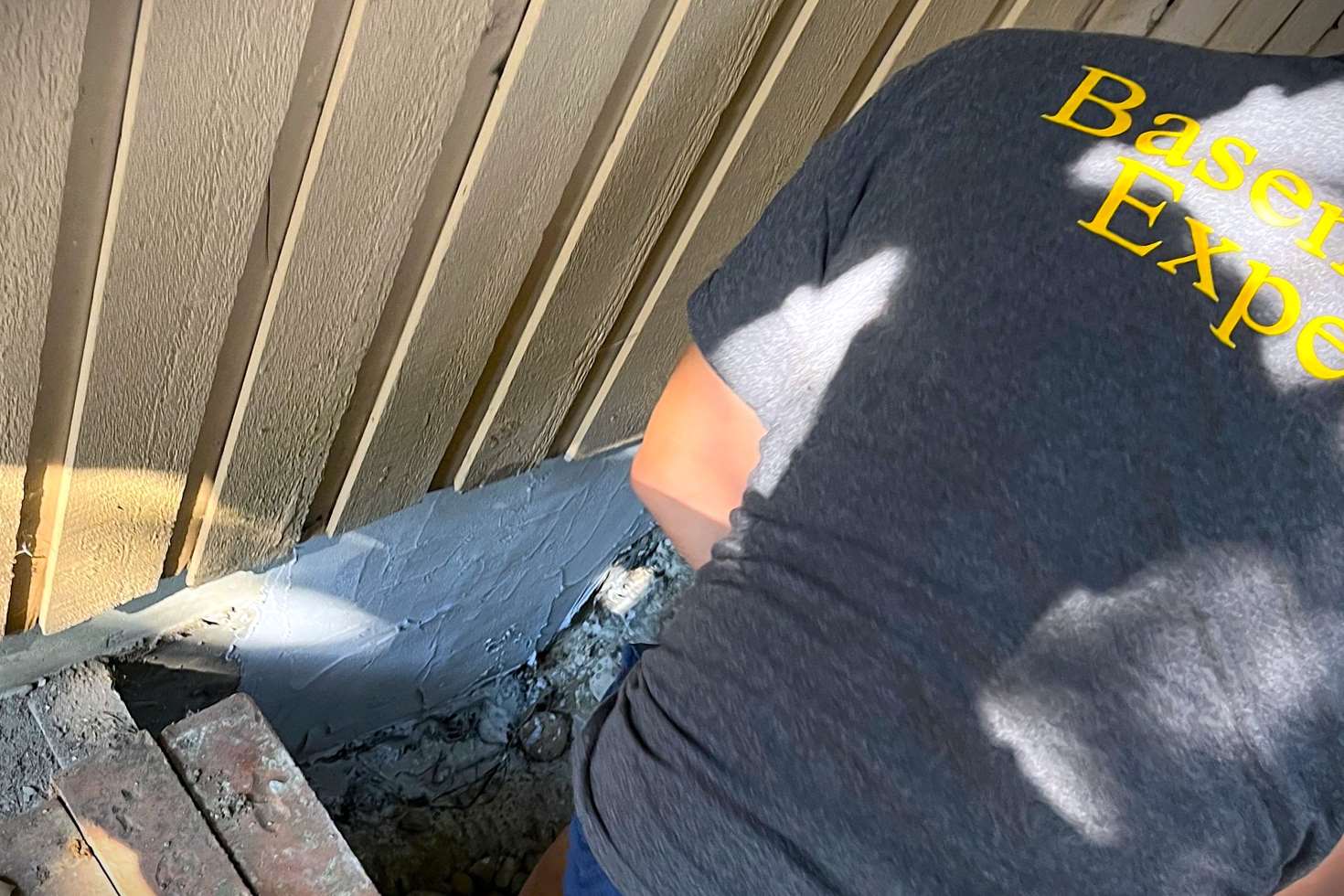
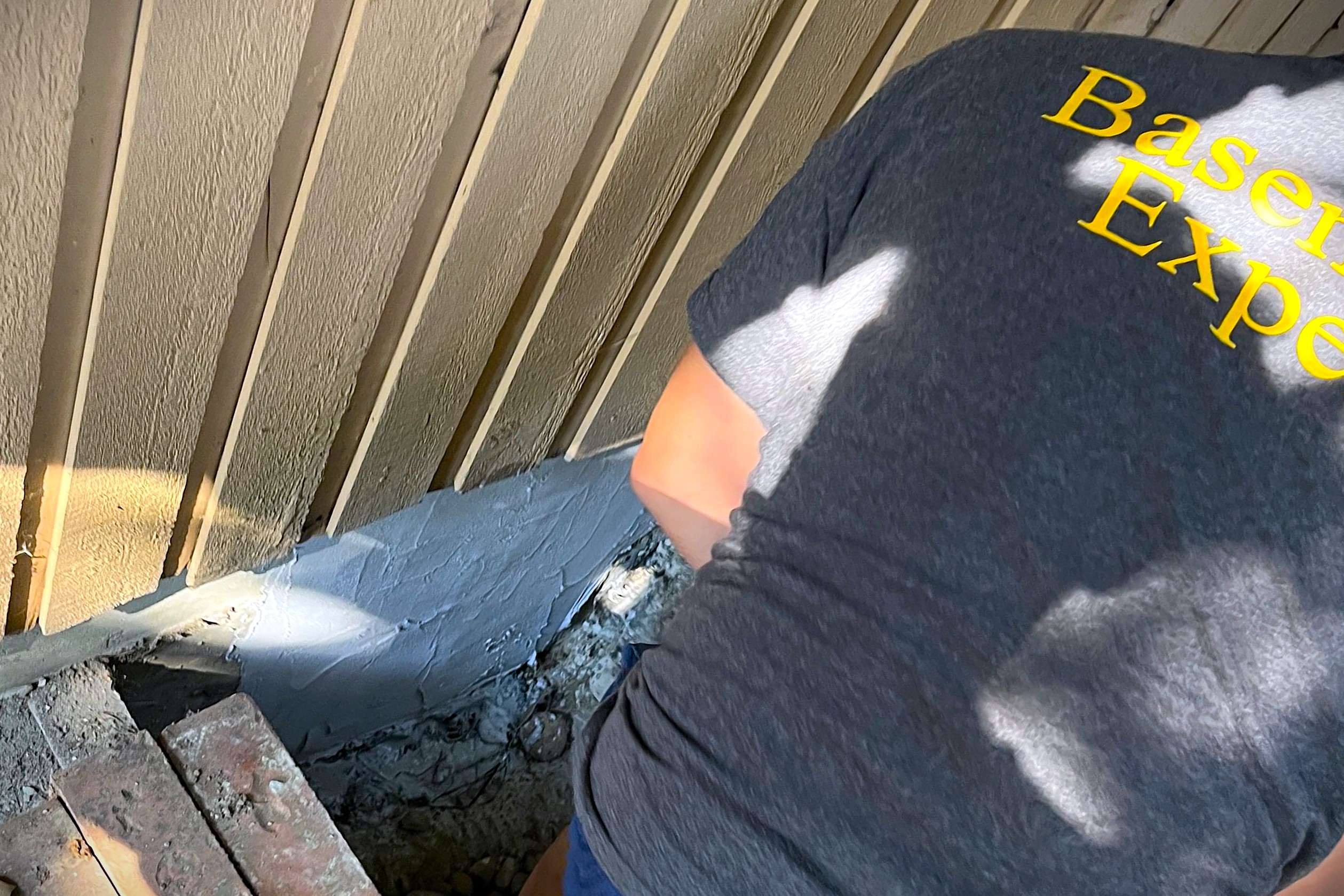
Stillaguamish–I-5 corridor: settlement vs wall push
Homes on the valley floor—toward Jennings Park, Shoultes, and lower Downtown Marysville—often keep the footing joint damp long after the freeway looks dry. That lingering moisture softens bearing and opens settlement cracks. Along Gleneagle grades and older Arlington brick stems, denser till and seasonal shrink-swell load the wall laterally; horizontal cracks with inward bulge are the tell, not just a damp carpet.
Call us when you see:
- Corner drop or racked doors after a wet week on Smokey Point pads
- Stair-step cracks at chimneys or garage offsets in Old Town Arlington
- Horizontal cracking with wall lean on the wet or downhill side
- New gaps at the floor joint that grow across rainy seasons
Static hairline shrinkage is different—we say so when monitoring beats hardware.
Inspection-to-stabilization sequence on corridor pads
1. Expert Site Assessment & Structural Analysis
We start with crack width and orientation, wall plumb, floor slope, and wet-vs-dry photos at the footing joint. Valley pads get extra attention on how long moisture lingers after Stillaguamish corridor storms; graded lots get a closer look at lateral lean. You leave with a written read on cause—not a menu of every product we sell.
2. Site Preparation & Protection
Before we mobilize, we protect landscaping, mark utilities, and stage access—tight State Ave and Smokey Point lots often need compact equipment and a clear path to the wall. Interior work stays inside when straps or injection can reach the failure; we only dig when bearing or exterior drainage requires it.
3. Structural Stabilization
Stabilization follows the measured load: push or helical piers when settlement needs deeper bearing, composite wall straps when the wall is rotating inward, or a combination when both show up. We do not pretend one package fits every pad here.
4. Specialized Crack Injection & Sealing
After movement is controlled, we seal discrete cracks with polyurethane or epoxy matched to the crack face. If water—not structure—is still the primary driver, we hand off to basement waterproofing or foundation waterproofing instead of forcing more structural hardware.
5. Project Sign-off & Warranty Delivery
We walk the finished work against the proposal measurements, clean the work area, and leave as-built notes plus warranty limits in writing. Questions mid-scope? Call (206) 388-7867.
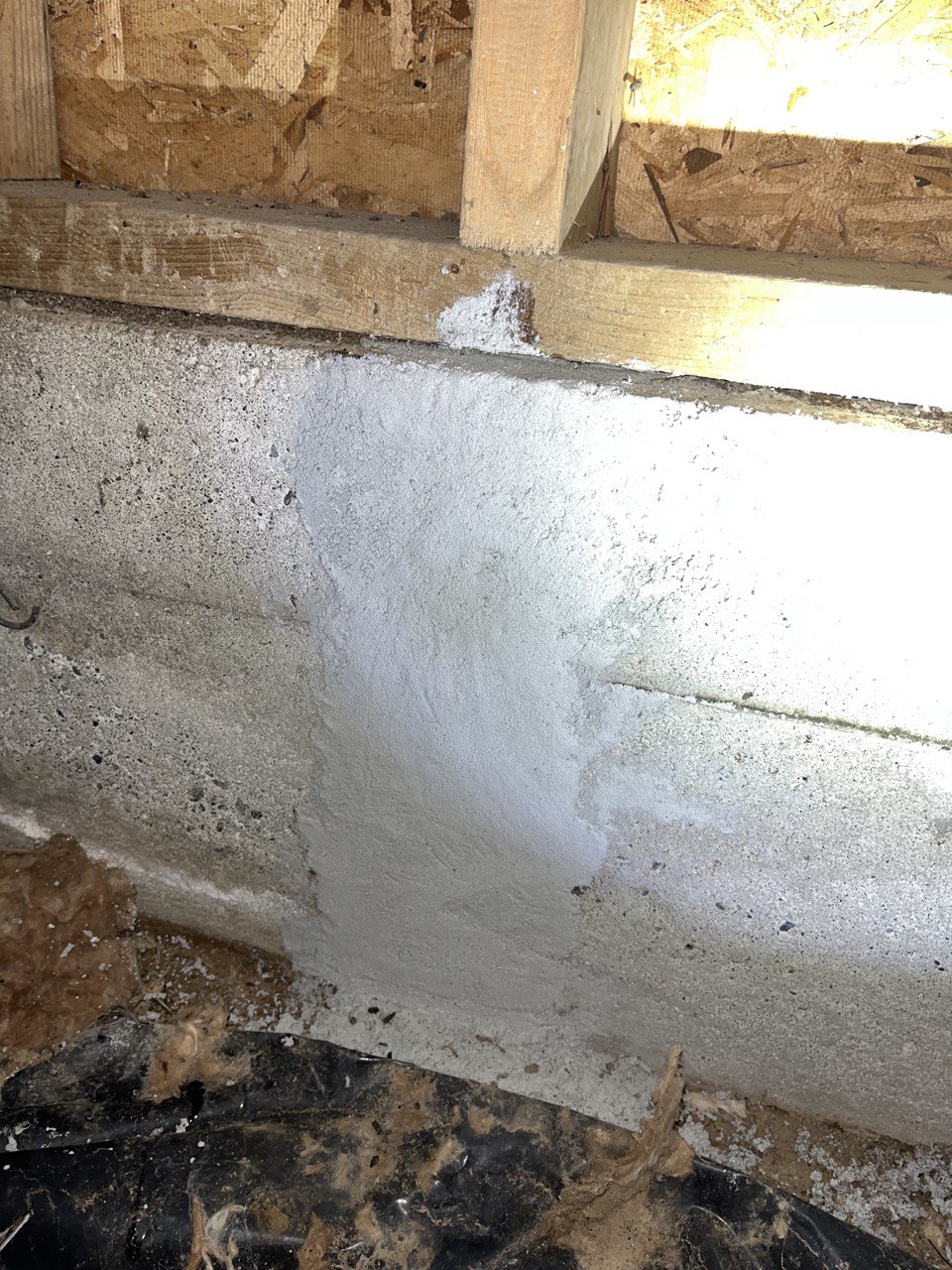
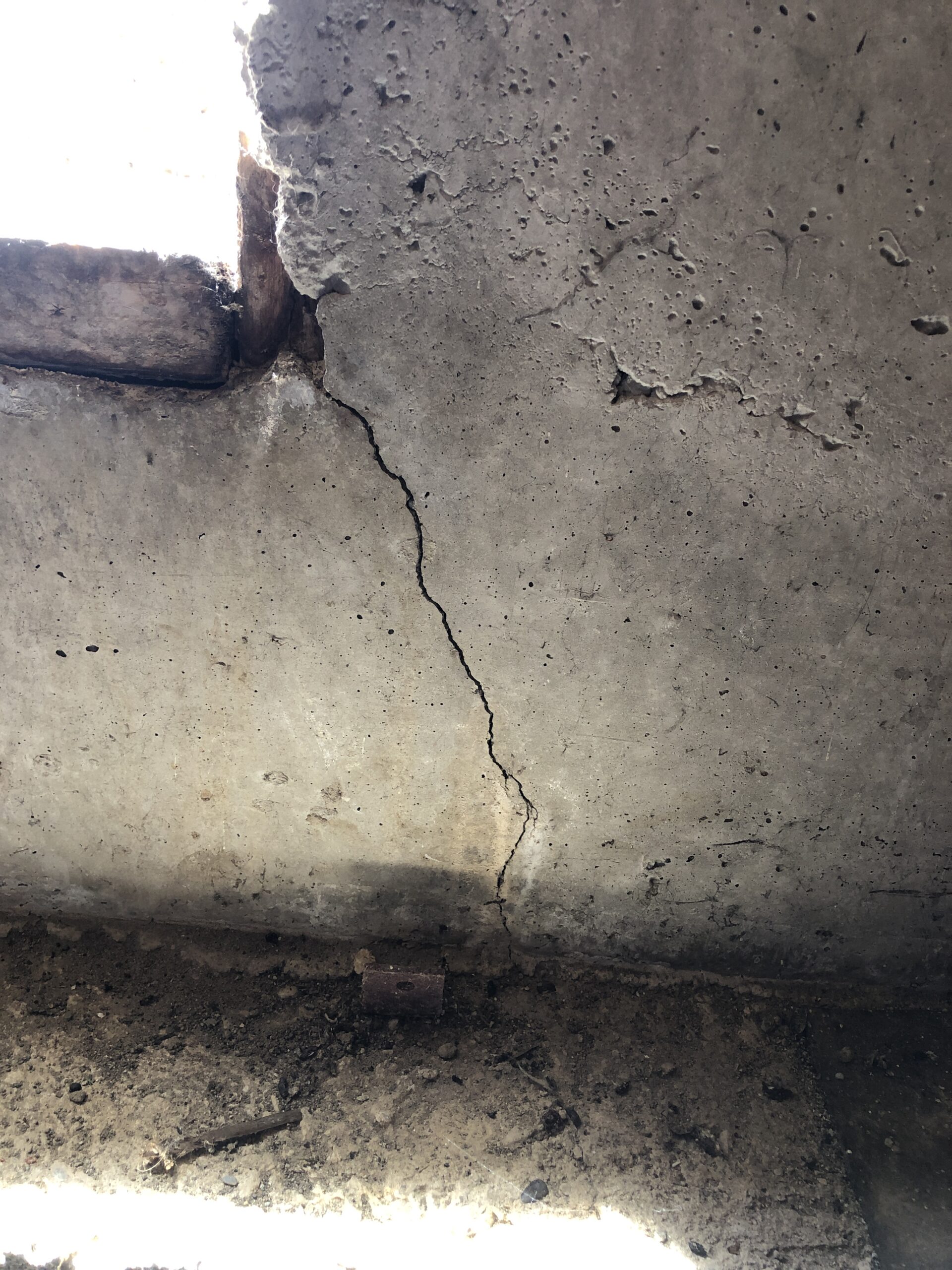
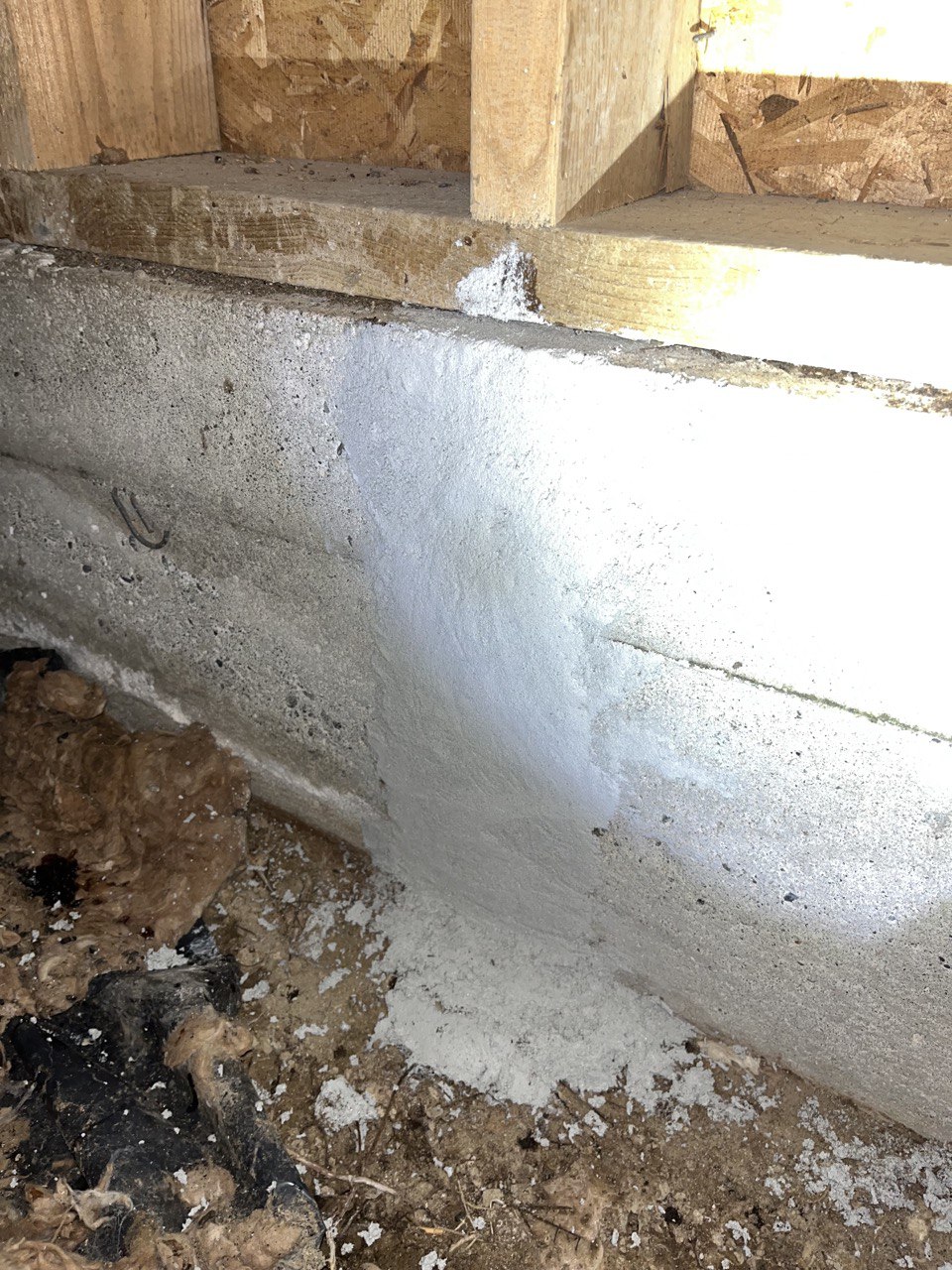
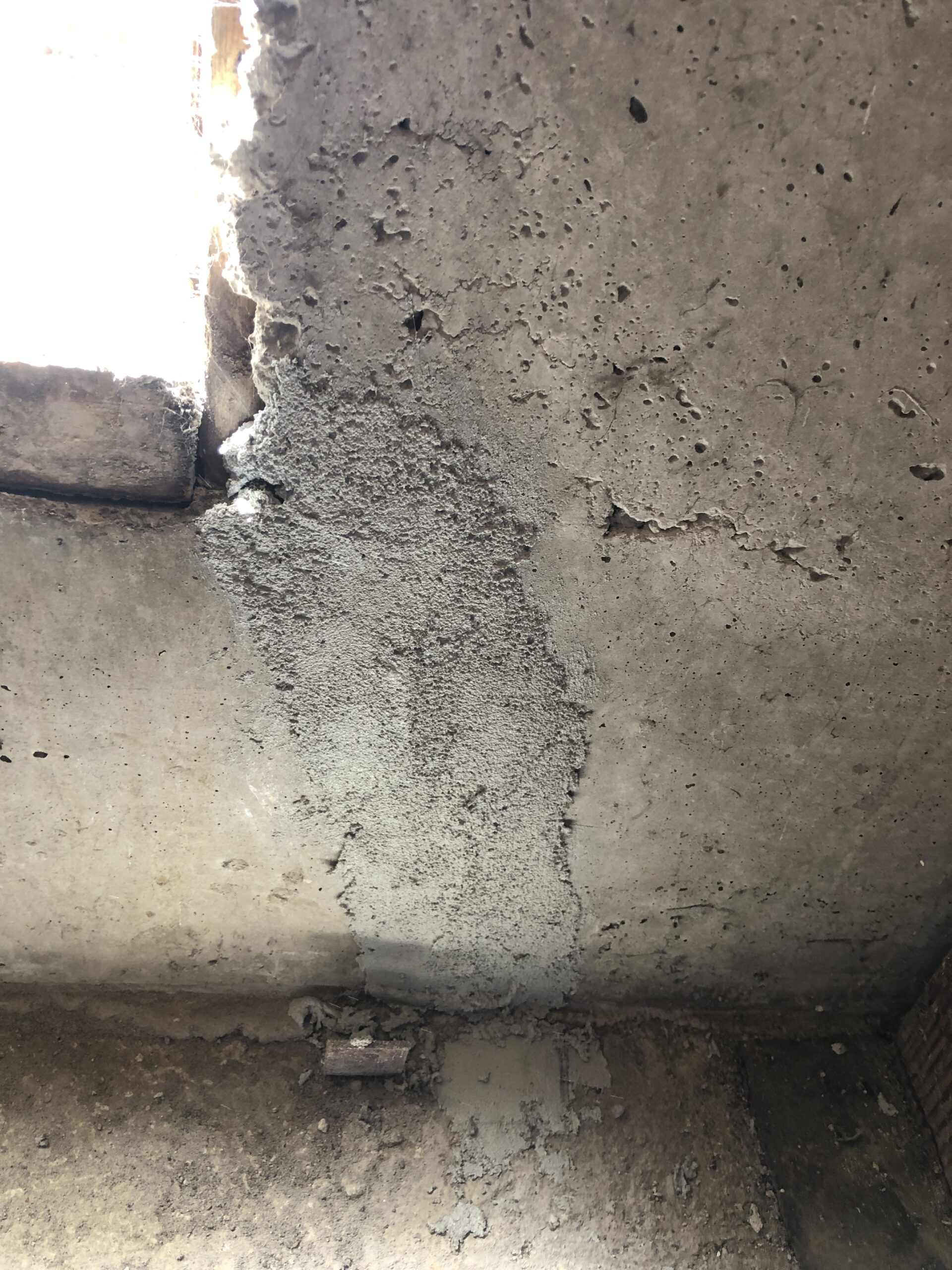

Why measurement beats a product menu here
Engineering-grade diagnostics — We log the failure mode (settlement vs lateral push vs sealed inactive crack) before recommending hardware.
Water diversion coordination — When hydrostatic load is driving movement, we coordinate drainage fixes rather than sealing over live motion. Structural work stays on this page; water systems hand off to the waterproofing lines.
Public-works standard execution — NDS-informed methods and municipal-grade detailing habits on residential scopes—documented steps, not marketing slogans.
No fluff warranties as the pitch — Scope limits are written. We design against the measured mechanism; we do not sell “lifetime” language as a substitute for diagnosis.
Transparent unit pricing — Estimates track pier count, strap length, access, and excavation—not a one-number phone quote from a photo.


Crack mapping after valley moisture cycles
We mark active vs stable cracks, note whether growth follows rain weeks along the I-5 corridor, and separate cosmetic finish cracks from ones that track the stem wall. Injection alone on a still-moving wall fails; straps or piers come first when the pattern says load is still changing.
For isolated sealing without broader movement, see our foundation crack repair path. Wider settlement or bowing stays on this structural scope.
Depth reading when you are listing soon: selling a Seattle-area home with foundation cracks—document, disclose, then decide repair order.
Piers vs straps on outwash and till pads
Valley-floor settlement usually needs bearing restored with piers once we confirm the pad is dropping, not just shrinking. Graded till lots more often need tensile restraint with composite straps—or carbon fiber wall reinforcement when the wall type fits that system. Mixed sites get a written split scope so you are not paying for excavation you do not need.
Perimeter drains and exterior waterproofing belong when water paths undermine bearing or keep the wall loaded—we link those jobs out rather than stuffing them into a structural-only quote. Call (206) 388-7867 with photos of the crack pattern and whether the basement stays wet after storms.
Single-family and Smokey Point light-commercial access
Most calls here are single-family basements and daylight lower levels along the Marysville–Arlington corridors: crack maps, pier layouts, and strap runs with a clear indoor path. Light commercial and HOA buildings near Smokey Point get the same measurement sequence, with phased access when tenants stay open.
Related structural paths:
- Carbon fiber / composite wall straps — bowing or leaning walls
- French drain — when drainage is the primary water path (not a substitute for piers)
- Greater Seattle foundation repair hub — regional methods (Seattle folded there)
Service areas
We work throughout Marysville and Arlington, including Smokey Point, Seven Lakes, Gleneagle, Jennings Park, Shoultes, Downtown Marysville, and Old Town Arlington corridors. Scopes follow what we measure on site—valley-floor settlement and graded till wall loads are not the same script.
Same-service peer cities:
Ready for foundation repair in Marysville that starts with measurement? Call (206) 388-7867 to schedule an assessment.
FAQ
Why do Stillaguamish corridor pads settle after multi-day rain more than ridge lots?
Valley silt and outwash hold a higher water table against the stem wall after storms. Ridge and graded lots drain faster but can see more lateral till load. We check wet-vs-dry timing at the footing joint before we pick piers vs straps.
Is Smokey Point fill settlement different from Old Town Arlington stair-step cracks?
Often yes. Newer pads frequently show corner drop from fill consolidation; older Arlington stems more often show stair-step patterns from seasonal shrink-swell and lateral pressure. We separate bearing loss from wall rotation on the proposal so the hardware matches the mechanism.
Can I wait through another rainy season before deciding on piers?
Only if cracks stay static with dated photos and no wall lean. New stair-step patterns, horizontal bulge, or gaps that widen after rain weeks need a measured scope now—waiting usually raises excavation and finish costs later.
How do State Ave and Smokey Point lots change the mobilization plan?
Narrow side yards, shared driveways, and limited street staging can force interior-first straps or compact pier equipment. We flag access on the first visit so the bid reflects real mobilization—not a surprise change order.
What field notes should I send before the visit?
Wide shots of each crack, a close-up with a ruler or coin for scale, doors that stick, and the same spots after a heavy rain if you can. Note whether the basement smells damp or the sump runs constantly—that timing helps separate water pressure from long-term settlement.

