

Basement Waterproofing Shoreline
Basement waterproofing in Shoreline for Bowl and Richmond Beach ramblers that show floor damp and wall–slab seepage when glacial till and Seattle Blue Clay hold runoff against living-space floors — inspection first, then drainage sized to that indoor path.


Engineering-first, NDS-certified drainage
In the Bowl, runoff soaks into glacial till and Seattle Blue Clay right at floor level. We check whether that wet clay is what’s dampening your floor, whether the cold joint where the wall meets the slab is leaking, or both. Then we design NDS-certified collection and discharge to clear it out of the room. Lynnwood-based, license ARTBRL*812B8, and we always inspect first.
Indoor floor damp bands after sustained rain — clues you can map
Match a symptom to what shows when Bowl runoff keeps till and blue clay charged against the living-space floor through a long wet stretch.
Till-and-blue-clay living-space moisture under Bowl floors
Ramblers in the Bowl and toward Richmond Beach often show indoor floor damp when till and Seattle Blue Clay hold runoff against living-space floors — we isolate that path before we dig.
Basement waterproofing Shoreline jobs are usually about a basement floor that stays damp through the long wet months, because the Bowl funnels runoff into till and blue clay that hug the slab and the wall–slab seam. Outside membrane work to protect the foundation itself is a separate job, and there’s a link for it below.
Picture weeks of rain running off the uphill streets and the Richmond Beach bluff paths and collecting in the Bowl. It soaks the till and blue clay at floor height, and those soils hang onto it. Long after one storm passes, the water is still sitting at the cold joints and under the slab. If your damp patch follows weeks of soaking rather than one heavy downpour off the roof, it’s usually that held water, and paint won’t touch it.
The pattern tells us where to start. A damp floor after weeks of rain usually means the clay is holding water at the seam. Staining halfway up the wall with a dry floor may need different steps. When a house has both, we stage the collection and discharge. A sealer isn’t the answer for either.
Want to compare systems first? The drainage systems hub has them. For floor-damp and wall–slab patterns, the Field Manual links at the bottom of the page go into detail.
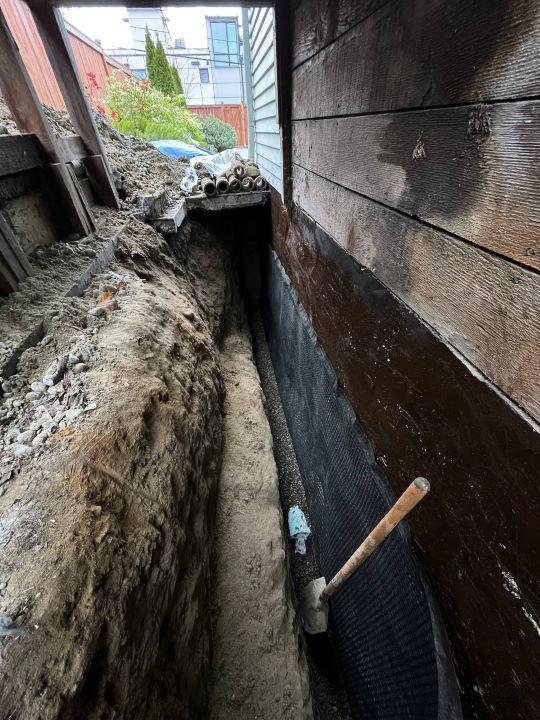
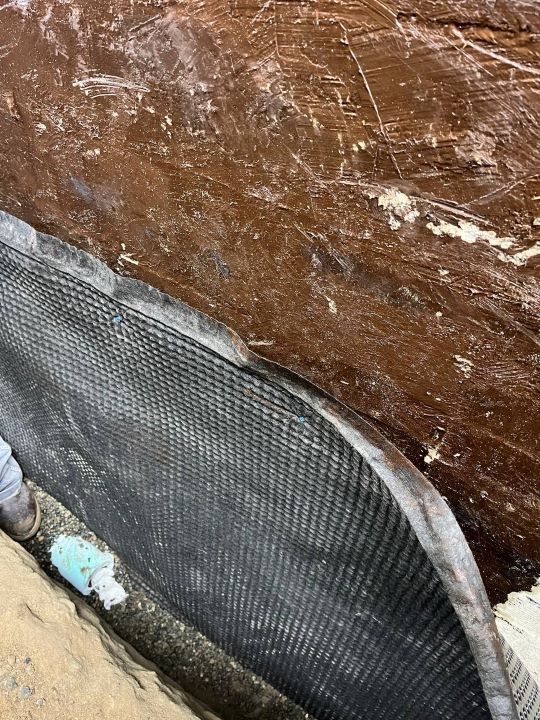
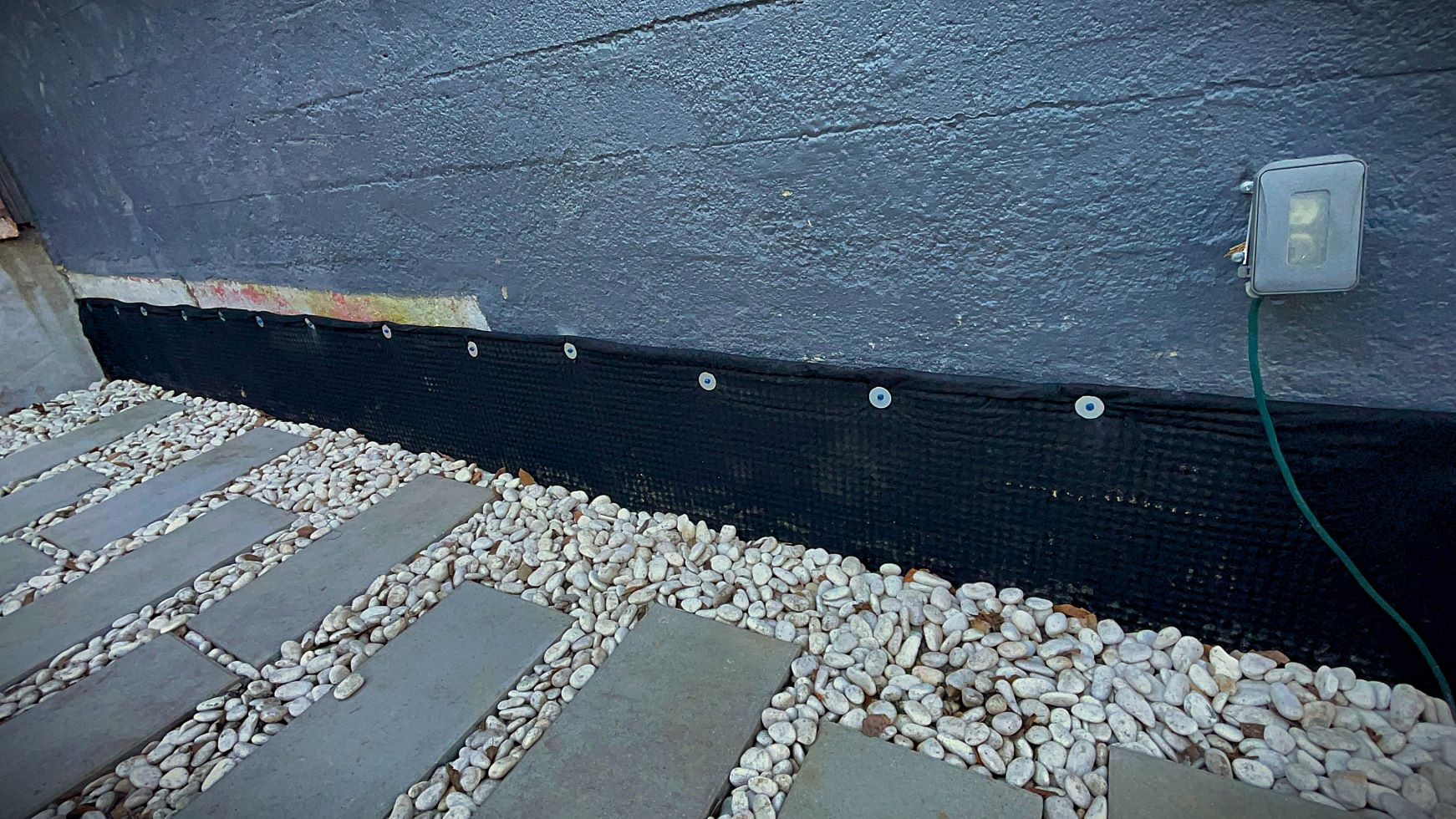

What concentrated Bowl drainage does to slab-edge seams
In the Bowl, we keep running into the same few causes. Here’s what we check for on site.
The Bowl collects water. During a wet stretch, water drains off higher lots and the Richmond Beach bluff paths down into the Bowl, and the soil at floor level fills up. You see it after weeks of rain, not a passing shower.
Glacial till and Seattle Blue Clay at the floor. Fine till and blue clay under north-King ramblers drain slowly. Once charged, they keep water pressed at the wall–slab seam and cold joints long after surface runoff slows.
Lots without much fall. Yards that slope toward the Bowl often give surface water nowhere to go. When it can’t get off the lot, it soaks back in at floor level every long rainy spell.
Floor first, wall second. When the damp follows the edge of the floor and the wall above is clean, the clay load at the floor comes first. If one wall is clearly seeping halfway up and we can dig there, outside work may follow once the inside drainage is planned.
Collection sized for blue-clay floor hold
How water gets in decides the system. Blue clay at the floor, seepage at the wall–slab joint, or both each need something different, so not every Bowl house gets the same fix.
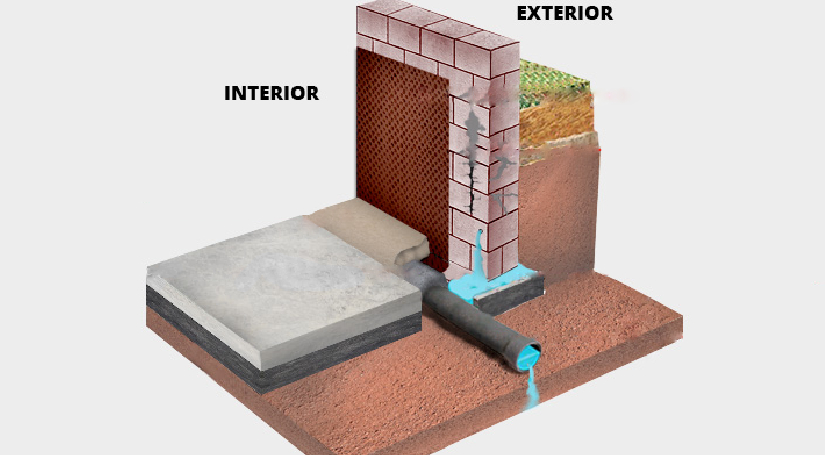
Interior drainage & sump
Drainage at the wall base and under the slab. This is common for tight rambler lots in the Bowl, or anywhere the clay at the floor is the main problem.
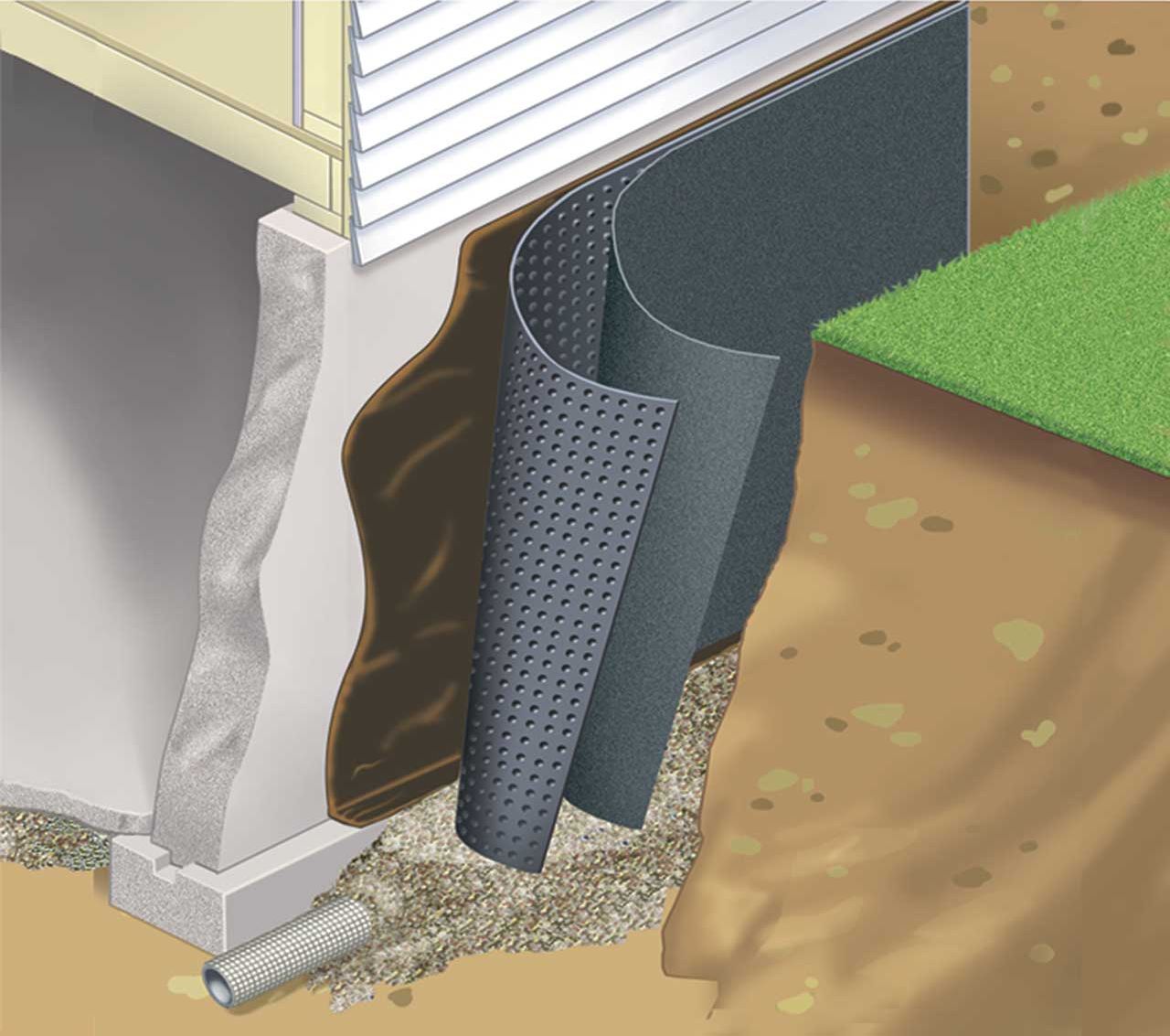
Exterior membrane & drain tile
Digging outside and draining the wall face, when one wall is plainly the leak and there’s room for equipment.
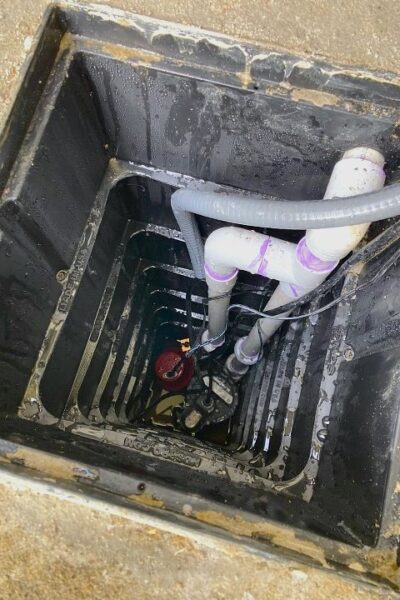
Sump & discharge fixes
A larger basin, a backup power source, or a new discharge path, for when the drains are doing their job but water still sits in the wet till beside the house.
Inspection sequence on living-space floors before excavation
We track how long the runoff keeps coming, how wet the clay is at the floor, and where water can drain to, and then recommend only what your house needs.
Most of the houses we see in the Bowl are ramblers, and the visit goes roughly the same way. Outside, we look at where the gutters and downspouts empty and how the yard slopes into the Bowl. Inside, we compare the damp spots on the floor with the weeks of rain before our visit, test any drains and basin you have, and follow the discharge to see whether it just dumps onto wet ground. If one wall is seeping halfway up, we check whether we can get a machine to it. Your written scope spells out inside, outside, pump and discharge, or a staged mix, and what each part is meant to fix.
The most common wasted money we see in Shoreline basements is sealer rolled on the walls or cracks injected one by one, with no plan for the water. If clay at the floor is the source, the first step is collecting that water and getting it away. If it’s one uphill wall with room to dig, outside work might last longer. And when a driveway, slab, or lot line blocks a dig, an inside system usually does the work.
We don’t price basement waterproofing in Shoreline until we’ve seen where water meets your floor. If the house really needs a footing dig and membrane to protect the foundation, instead of a drier room, we’ll point you to the right service.
Basement living space vs footing-level membrane
This page is about basements people live in that won’t dry out, mostly because weeks of rain keep the Bowl’s clay wet at floor level. Outside footing membranes and structural footing drains are handled by a different crew with a different dig.
Neighborhoods we commonly serve
Bowl, Richmond Beach, and north-King corridor lots share till and blue-clay floor charge after sustained rain — the fix still depends on the house, not the zip alone.
Across Shoreline we regularly assess and dry living space on Bowl parcels, Richmond Beach drainage paths, Innis Arden and Echo Lake blocks, and Ridgecrest / North City lots where glacial till and Seattle Blue Clay sit at slab elevation. Lower Bowl floors need different collection sizing than higher terrace lots. We say that up front so expectations match the dig.
Browse all markets on our service areas page.
Nearby cities for the same service
We do the same basement drainage work in these neighboring cities:
Till-hold and indoor-seepage questions before you book
Short answers before you schedule.
Why do Bowl ramblers show floor damp when Seattle Blue Clay stays charged? Till and blue clay barely drain. When runoff keeps them soaked for weeks, water stays jammed against the wall–slab seam. Collecting it at the floor and sending it off the lot does better than any coating.
Is Bowl floor seepage the same job as Edmonds retaining-wall bluff wet? Not exactly. Indoor floor damp after multi-week blue-clay saturation in the Bowl is a perimeter-charge pattern. Edmonds retaining-wall bluff seepage is a different wet map. We still inspect first instead of cloning a retaining-wall pitch.
Can exterior footing membrane alone dry wall–slab seepage indoors? It can help on a wall that clearly leaks, if we can reach it. But if the damp in your basement follows the floor, inside drainage usually comes first. When both are needed, we do them in order.
Do the same crews cover Seattle, Edmonds, and Lynnwood? Yes, our Lynnwood crew handles the north King County jobs, Bowl included. Check our reviews and get an inspection; they’ll tell you more than any web page. Contact us or call (206) 388-7867.
How is bowl-floor living-space drainage priced? On what the job actually involves. A coating and a full inside system or outside dig are priced worlds apart, so we quote after we’ve seen the pattern.
Field Manual guides
Plain answers from jobs we’ve actually done in Western Washington. Read them before you commit to anything.
Ready for a Bowl-floor moisture assessment? We’ll come look, tell you plainly what we see, and scope drainage for how the clay water is really reaching your basement. There’s more in the Field Manual, or call (206) 388-7867.

