

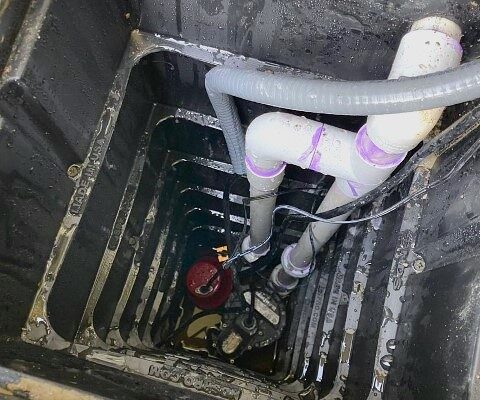
Do you need a sump pump?
- A sump pump is the discharge end of a drainage system — it moves water collected in a pit away from your foundation.
- You often need one here if the basement is below street grade, you have an interior drain to a pit, or the floor edge wets every winter.
- Replacing the pump alone does not fix a full pit — you need collect → pump → discharge away from the house, and backup power if the basement is finished or stores valuables.
A sump pump is not magic — it is the discharge end of a drainage system. In many Puget Sound homes it is essential; in some it is a backup to good exterior drainage. Here is how to tell the difference.
What a sump actually does
Water collects in a pit (often at the lowest point or at the end of an interior drain). The pump sends that water away from the foundation through a discharge line. If the line is blocked or too short, the pump only recirculates stress on your basement.
Homes that often need one here
- Basement below the street or storm drain grade.
- High water table or spring activity (common in parts of Snohomish County and low valleys).
- Interior French drain tied to a pit.
- History of floor-edge seepage every winter.
Battery backup basics
Storms that flood basements often knock out power. A battery backup or water-powered option is worth discussing if you finish the basement or store valuables there — not just for convenience, for continuous discharge during outage.
Sump vs. waterproofing alone
Replacing a pump without fixing why the pit fills is temporary. Likewise, interior sealers without a drain path to a sump often fail. The question is the full system: collect → pump → discharge away.
What usually fixes it (and what does not)
Usually helps
- Right-sized pump with discharge that exits away from the house on slope
- Battery or water-powered backup when storms coincide with power loss
- Interior drain that actually delivers water to the pit — not just a pump in a wet hole
Often not enough alone
- Swapping the pump brand while the pit still floods from groundwater
- Short discharge lines that recycle water back toward the foundation
- Sealed pit with no plan for why water keeps arriving
When to call a professional
- The pit fills faster than the pump can empty it after normal rain.
- You are finishing the basement or storing valuables below grade.
- Discharge freezes, clogs, or has no clear daylight outlet.
Sizing includes total dynamic head (lift and distance), not horsepower alone — especially on hillsides and long discharge runs common here.
You need a sump when groundwater or interior drains must be actively removed. Size, discharge, and backup matter as much as the pump brand.
Not sure what you are seeing? A site visit can map moisture paths and drainage before you spend on the wrong fix.

