

Wet basement repair and solutions
A wet basement in Western Washington is usually a water-path problem—not a coat of paint. We find where water loads the foundation, then route you to the lasting fix.


NDS-certified. Active diversion—not passive barriers.
We manage hydrostatic pressure with engineered drainage and pressure relief—not passive barriers that try to hold water out. Sealants help in limited roles; they do not block water as a primary fix.
Why your basement keeps getting wet
Standing water, wall seepage, musty air, and seasonal returns usually share one driver: water stacked against the foundation under pressure.
Wall seepageStains, damp drywall, or paint bubbling
Returns every wet seasonDry in summer, wet again when soils saturate

Wet basement repair starts by reading the pattern—not buying a product. In Puget Sound soils, especially glacial till and clay, water perches and builds hydrostatic pressure against walls and slabs. That force pushes moisture through concrete, cold joints, and pipe penetrations long after the storm ends.
Roof runoff, short downspout extensions, grading that slopes toward the house, clogged perimeter drains, and a sump that discharges back toward the footing all reload the same wall. White wall deposits are often salts (efflorescence), not mold. Persistent damp or musty air after rain usually means chronic moisture load—not a one-storm fluke.
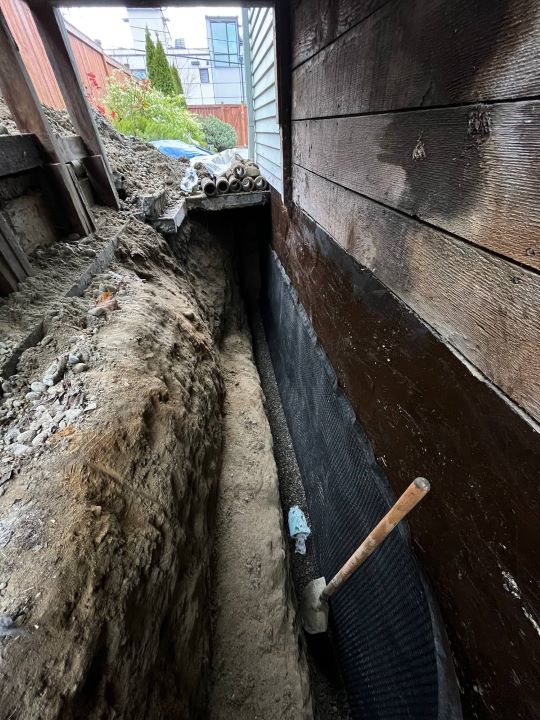
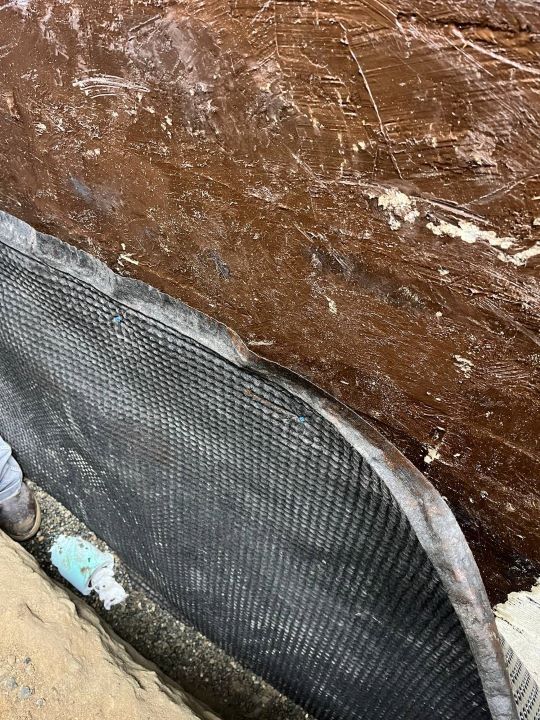


Hydrostatic pressure vs. surface runoff
Two different water paths look similar on the floor. Reading the pattern first keeps you from buying the wrong fix.
Hydrostatic pressure (under / through the structure)
What you see: Center-of-slab wet spots, water after multi-day rain (not just during the storm), white salt deposits, musty air that returns every wet season, a sump that runs hard while the floor still wets.
What it means: Saturated soils push water through joints, cracks, and the slab. Coatings on the inside face rarely hold that load. The fix is usually collection and discharge—interior drainage, exterior footing work, or both—not paint.
Surface runoff (from roof and yard)
What you see: One wall that stains after storms, wetness near a downspout or low grade, water that shows up during heavy rain and eases when discharge is redirected, puddles outside that dump toward the foundation.
What it means: Roof and yard water is reloading the same wall. Gutters, extensions, grading, and perimeter diversion matter first. A French drain or exterior work may still be needed if the wall is already saturated.
Many Puget Sound homes have both. If center-slab water and a weeping wall show up together, expect a sequenced scope—not a single product. We confirm which path dominates on inspection before recommending wet basement repair.
What a wet basement inspection covers
We map entry paths on site before we recommend a system—so the scope matches how water actually loads your house.
Before recommending wet basement repair, we check how water reaches the structure and whether the problem is cosmetic dampness or active intrusion:
- Surface grade, gutters, and downspout discharge—including whether downspouts were tied into a perimeter drain (they should not be)
- Perimeter and interior drains, cleanouts, and outfall condition
- Sump basin, pump size, discharge line, and power—including why a pump can run and still leave you wet
- Wall vs. slab entry paths; finished-basement damage vs. structural moisture
- Whether foundation movement or cracks are part of the load path
If you already have water on the floor, stay safe, shut off power to wet areas if needed, document the pattern, and remove standing water when you can—then schedule an inspection so temporary drying does not become the “fix.”
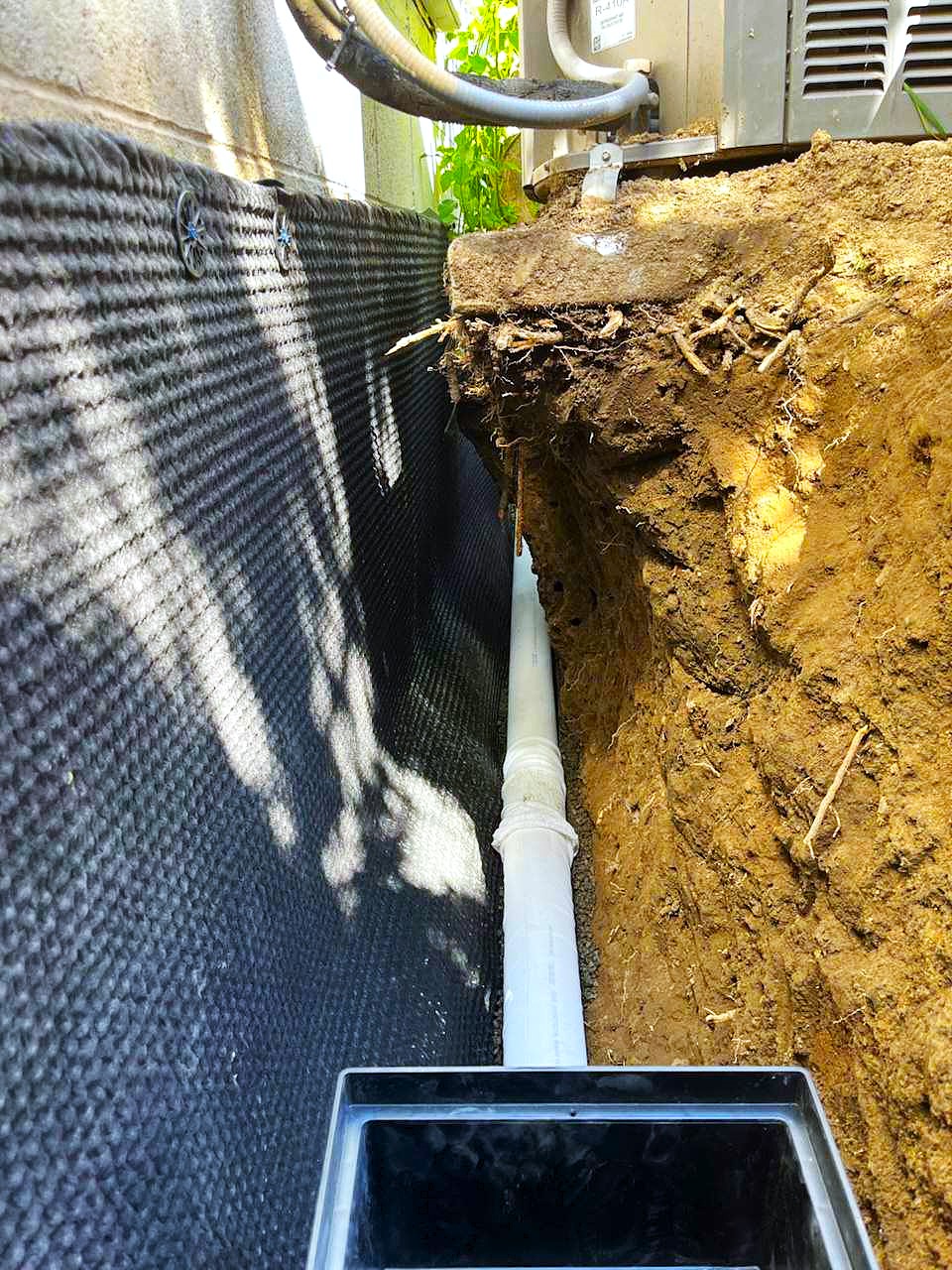
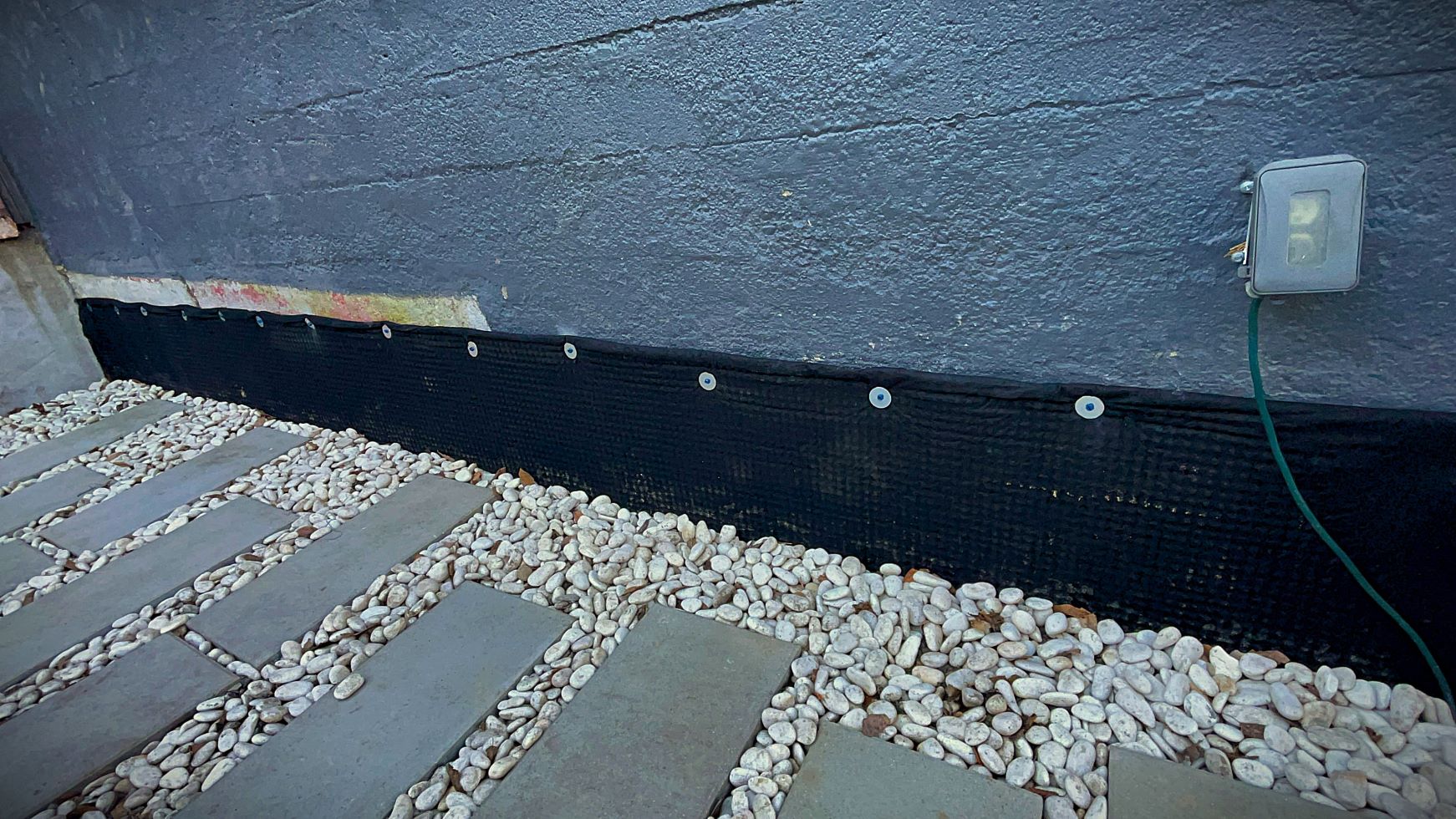
Same-day visits when scheduling allows. We inspect first, explain what we find, then scope drainage that matches the water path—not a one-size membrane pitch.
How wet basement repair works with us
Clear steps from first call to a scoped system—so you know what you are hiring before anyone digs.
Inspect the water path
We confirm surface water, perimeter drains, sump/discharge, and wall vs. slab entry before talking products.
Match the right service
Interior waterproofing, exterior membrane work, French drain, sump upgrades, or a sequenced mix—based on access and load.
Build active diversion
Solid PVC collection, correct discharge routing, and pressure relief. Coatings stay helpers—not the primary barrier.
Paint-on “waterproofing,” random crack injection without drainage, and franchise track systems are the most common mis-buys we see after the fact. If hydrostatic pressure is driving floor water, drainage comes first. If one elevation weeps and excavation is possible, exterior work may be the durable path. If access is blocked by a driveway, deck, or tight lot line, interior systems often carry the load for living-space dryness.
Wet basement solutions that actually last
Repair means stopping or diverting the water path—not masking it. Each card hands you to the service hub that owns that hire intent.
Wet living space / seepage
Interior or exterior systems for occupied basements when living space is wet from seepage or floor water.
Footing-level / exterior membrane
When the load is at the footing or exterior envelope—protecting the foundation assembly itself rather than only drying finished space.
Yard and perimeter water
Collection and diversion outside the wall when yard and perimeter water are loading the foundation.
Pumping and power
Active collection needs capacity, backup options, and a discharge line that leaves the lot—not dumps next to the footing.
Crawlspace water
We use drainage and hydrostatic relief—not plastic encapsulation kits.
After a flood event
Drying removes moisture from materials; it does not replace a drainage fix.
Philosophy in one line: we prefer active diversion over passive sealing. Coatings and sealants are helpers at best—not a way to block hydrostatic water.
Drying a wet basement is not the same as fixing it
Fans and dehumidifiers dry materials after water has entered. Lasting wet basement repair stops or redirects the path so the problem does not return each storm.
If you are mid-event, prioritize safety and documentation first. Then schedule an inspection for the lasting path through basement or foundation waterproofing and drainage. Temporary drying protects finishes and indoor air while you decide on scope—it is not a substitute for collection, discharge, and pressure relief.
Homeowners often spend months cycling fans every wet season because the source load never changed. Our job is to say which service actually matches the water pattern, then hand you to that hub with a clear why.
Wet basement repair near you
Searching for wet basement repair companies, contractors, or solutions near you? Hire an inspection-first drainage team—not a franchise pitch for passive barriers.
We serve Greater Seattle, the Eastside, and Snohomish County. Coverage detail lives on our service areas map.
This page is the symptom-to-service bridge. City waterproofing money pages and service hubs own the hire-intent detail once you know whether you need basement waterproofing, foundation waterproofing, a French drain, or sump work.
Wet basement repair — common questions
Short answers before you schedule. Linked FAQ posts below are for deeper reading—kept here so the rest of the page stays easy to scan on mobile.
Can a coating alone fix a wet basement?
Rarely, if hydrostatic pressure or a failed drain is the driver. Coatings do not move water away from the structure. Drainage and discharge come first; sealants stay secondary. Why relief beats wall sealants · Active vs. passive waterproofing
Do I always need exterior excavation for wet basement repair?
Not always. Interior drainage and a correctly sized sump solve many floor-water and under-slab pressure cases, especially when exterior access is limited. We confirm which path after we see how water enters. Exterior vs. interior waterproofing
Is wet basement repair the same as waterproofing?
Wet basement repair is the problem you feel—standing water, seepage, or musty returns. Basement or foundation waterproofing is the scoped drainage system that solves it. This page routes you; the service hubs own the hire detail.
How much does wet basement repair cost?
Cost follows scope: crack-only work is not the same as a full interior system, exterior dig, French drain, or sump upgrade. We quote after inspection so price matches the water path—not a flat franchise package.
Will a French drain alone fix a wet basement?
Sometimes for yard and perimeter water—not always for under-slab hydrostatic push or wall seepage. A French drain is one tool; wet basement repair may also need waterproofing, sump capacity, or discharge routing. French drain limitations
Why is my sump pump running but the basement is still wet?
The pump may be undersized, the basin too small, the discharge dumping next to the footing, or water entering faster than the system can move it. Fix the collection and discharge path—not only the pump brand. Sump failure causes
Is drying a wet basement the same as repairing it?
No. Fans and dehumidifiers dry materials after water has entered. Lasting wet basement repair stops or redirects the water path so the problem does not return each storm.
What’s the difference between hydrostatic pressure and surface runoff?
Hydrostatic pressure pushes through the slab or joints after soils stay saturated—often center wet spots and seasonal returns. Surface runoff reloads one wall from gutters, grade, or downspouts during storms. Many homes have both. Hydrostatic pressure explained · Glacial till risks · Mold vs. efflorescence
What if the wet space is a crawlspace, not a basement?
Then that scope is crawlspace work—not this basement page. We still use drainage and hydrostatic relief there, not plastic encapsulation kits. Why we don’t encapsulate
What should I do first if there is standing water in the basement?
Stay safe, shut off power to wet areas if needed, document the pattern, and remove standing water when you can. Then schedule an inspection—temporary drying is not the permanent fix. Standing water first steps · Never tie downspouts into a French drain
Do you offer wet basement repair near me?
We serve Greater Seattle, the Eastside, and Snohomish County. Check our service areas map for coverage, then schedule an inspection for a site-specific scope.
How long does wet basement repair take?
Most wet basement repair jobs take about 3–5 days once work starts. Timeline still depends on access and scope—full exterior excavation can run longer; interior drainage and sump work often land in that window. We confirm duration after inspection.
Can I get a same-day wet basement assessment?
Same-day assessments are sometimes possible when crews allow. Call (206) 388-7867 or schedule online and we will confirm the soonest visit.
Ready for a site check? Call (206) 388-7867 or schedule an inspection. See where we work on service areas.

