

Crawlspace moisture & PNW soils
- Crawlspaces here fight the same groundwater and glacial soils as full basements — often with less access and forgotten vents.
- Plastic on the dirt controls vapor; it does not remove gallons of incoming water — you still need a drain path and often a sump.
- Opening vents year-round can pull wet air in during rain; fix bulk water before relying on dehumidifiers alone.
Crawlspaces in our region fight the same groundwater and glacial soils as full basements — often with less access and more forgotten vents.
Glacial till in plain language
Puget Sound soils are often a mix of sand, silt, clay, and cobbles left by glaciers. Water moves unpredictably in that mix. A crawlspace low point can pool water while the front yard looks fine.
Why crawlspaces flood here
- Groundwater rises in wet months.
- Foundation vents admit rain and humid air.
- Plumbing leaks go unnoticed longer.
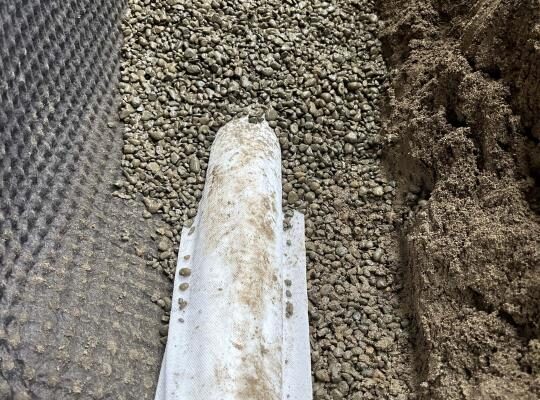
- Missing or failed perimeter drain at the footing.
Encapsulation vs. active drainage
Plastic on the ground controls vapor from soil — it does not remove gallons of incoming water. If water enters, you still need a drain path and often a sump or tie-in to storm discharge.
Ventilation and moisture
Seasonal vent strategy matters more here than in dry states. Pair air sealing and dehumidification with solving bulk water first.
What usually fixes it (and what does not)
Usually helps
- Perimeter drain and sump when groundwater or springs enter the crawlspace
- Vapor barrier on soil after bulk water paths are handled
- Seasonal vent strategy matched to humidity — not year-round open vents
Often not enough alone
- Encapsulation alone when gallons of water still enter each winter
- Dehumidifier only in a vented, wet crawlspace during rain
- Ignoring standing water because the rest of the yard looks dry
When to call a professional
- Standing water or mud returns every wet season.
- Musty smell upstairs persists after vent changes.
- You see rot, pest activity, or insulation falling from moisture.
Treat crawlspace water like foundation water — find the entry path, then choose drainage, vapor control, or both.
Not sure what you are seeing? A site visit can map moisture paths and drainage before you spend on the wrong fix.

