

Foundation Waterproofing in Mill Creek
Seeing a stain or a seep along the bottom of a foundation wall in Mill Creek? We find out where the water is actually coming from first, and only then talk about footing drains, an exterior membrane, or other structural water control.

NDS-Certified Active Drainage Systems

Real Customer Reviews:


Why a Wet Wall Doesn’t Tell You the Source
A wet stain on concrete looks the same whether it came from a gutter dumping at the corner, an old coating that’s let go, a clogged footing line, or groundwater pushing at the joint. So on the visit we line up the staining and the white efflorescence with what’s outside: how the yard is graded, where the roof water goes, how soaked the soil is, and how high the lowest leak sits.
Doing it in that order matters. It stops a small drainage fix from turning into a full excavation quote, and it keeps anyone from selling you an interior coating as the cure when the pressure is coming from outside.
- Water coming off the surface usually traces back to gutters, downspouts, a patio edge, or ground that slopes toward the house.
- Water at the joint sends us to the seam where the wall meets the footing, how deep a collector would sit, and where it could drain.
- With a crack, the real question is whether it’s just leaking or still moving, because movement needs a structural look first.
Can We Dig Here, and Where Will the Water Go?
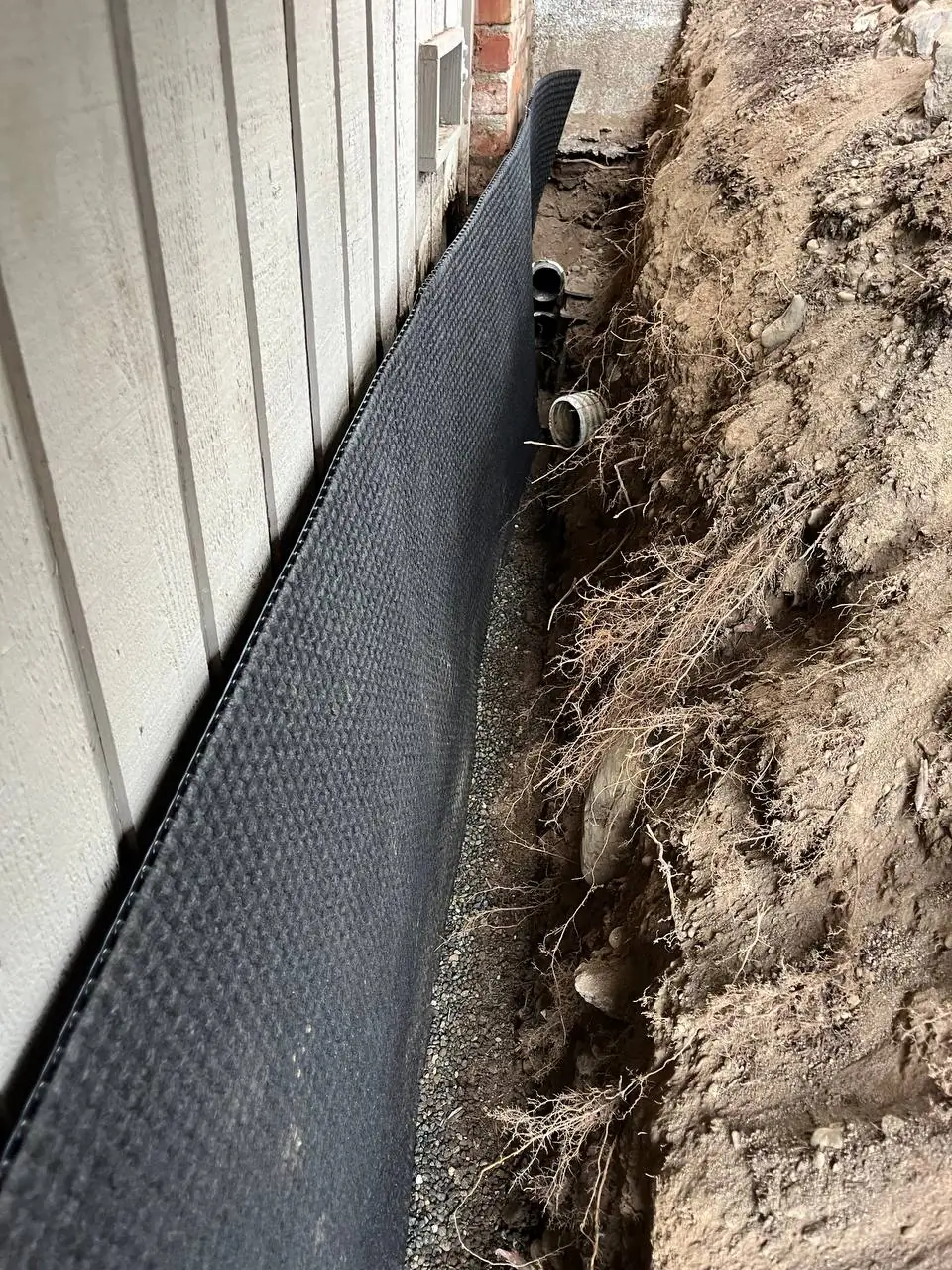
An outside membrane only works if we can dig safely, clean and prep the wall, protect the membrane once it’s on, and put the drain rock back without packing fines against it. A deck, buried utilities, a narrow side yard, a deep footing, or soil that won’t hold a cut can all change the equipment we bring and the order we work in.
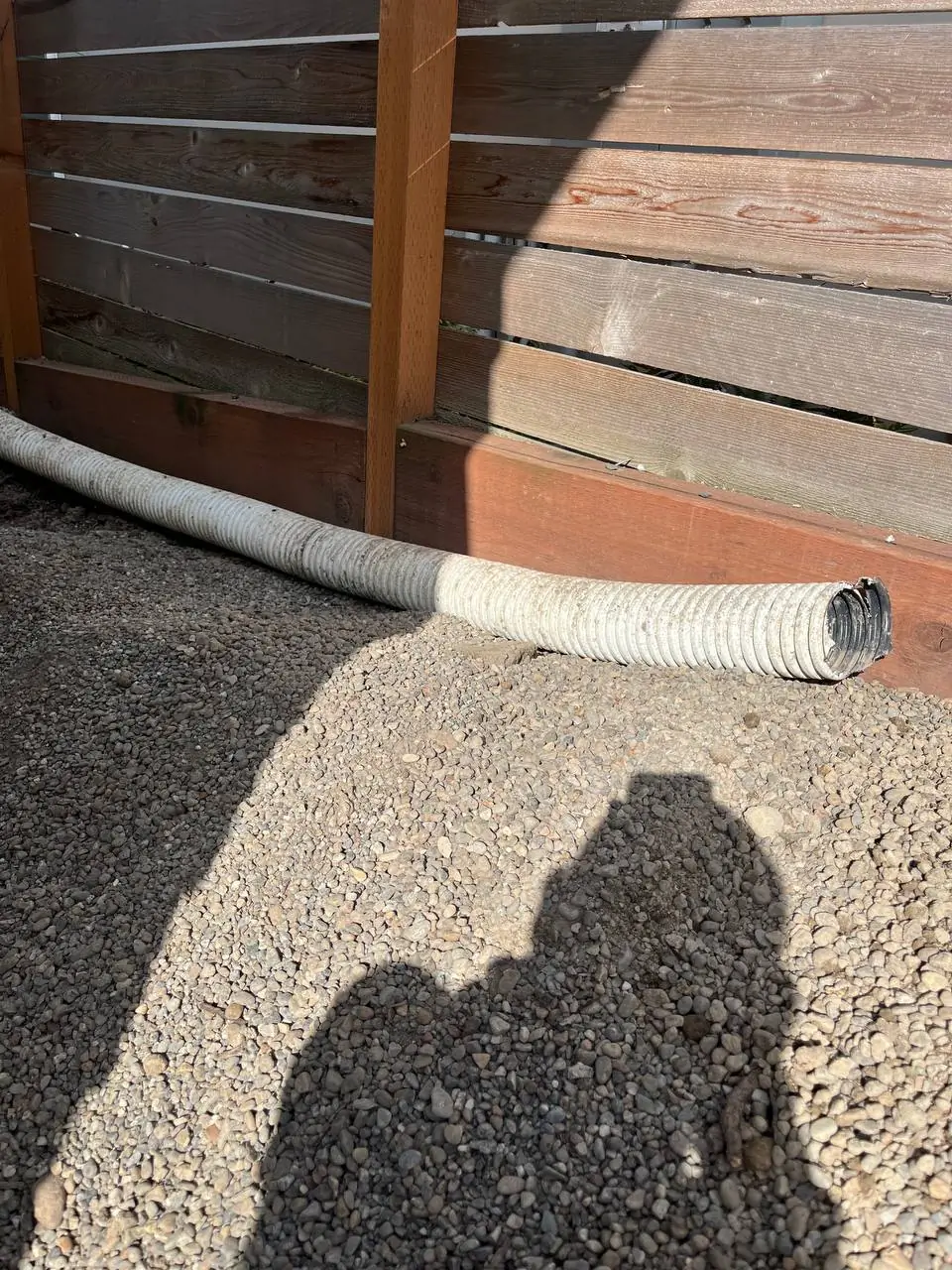
A collector pipe is only worth putting in if the water has somewhere legal and lasting to go. We check whether it can drain by gravity and where a catch basin or French drain could tie in without pushing water at a neighbor’s foundation. If a pump comes up, the quote shows the access and the discharge route. The pump is part of the fix, not the diagnosis.
Mill Creek Lots and What We Write Down
Clay along the North Creek corridor and the hillside streets doesn’t drain like the flat master-planned sections do. That’s why foundation waterproofing in Mill Creek starts with notes on your lot, not a product pick. Here’s what goes on the sheet:
- How high the leak sits, what shape the wall is in, the crack pattern, and any old coatings or injections.
- The grade outside, where the downspouts empty, the edges of patios and driveways, and how much room there is to dig.
- How deep the footing is, roughly where a collector would sit, and the spot it could drain to.
- Finished walls or utilities inside that change how we contain dust and set up the work area.
Your written scope should spell out which wall or run is covered, the membrane and protection layers, the collector route, where we’re assuming it drains, how far restoration goes, and what might change once hidden conditions are opened up.
Leak, Movement, or Both?
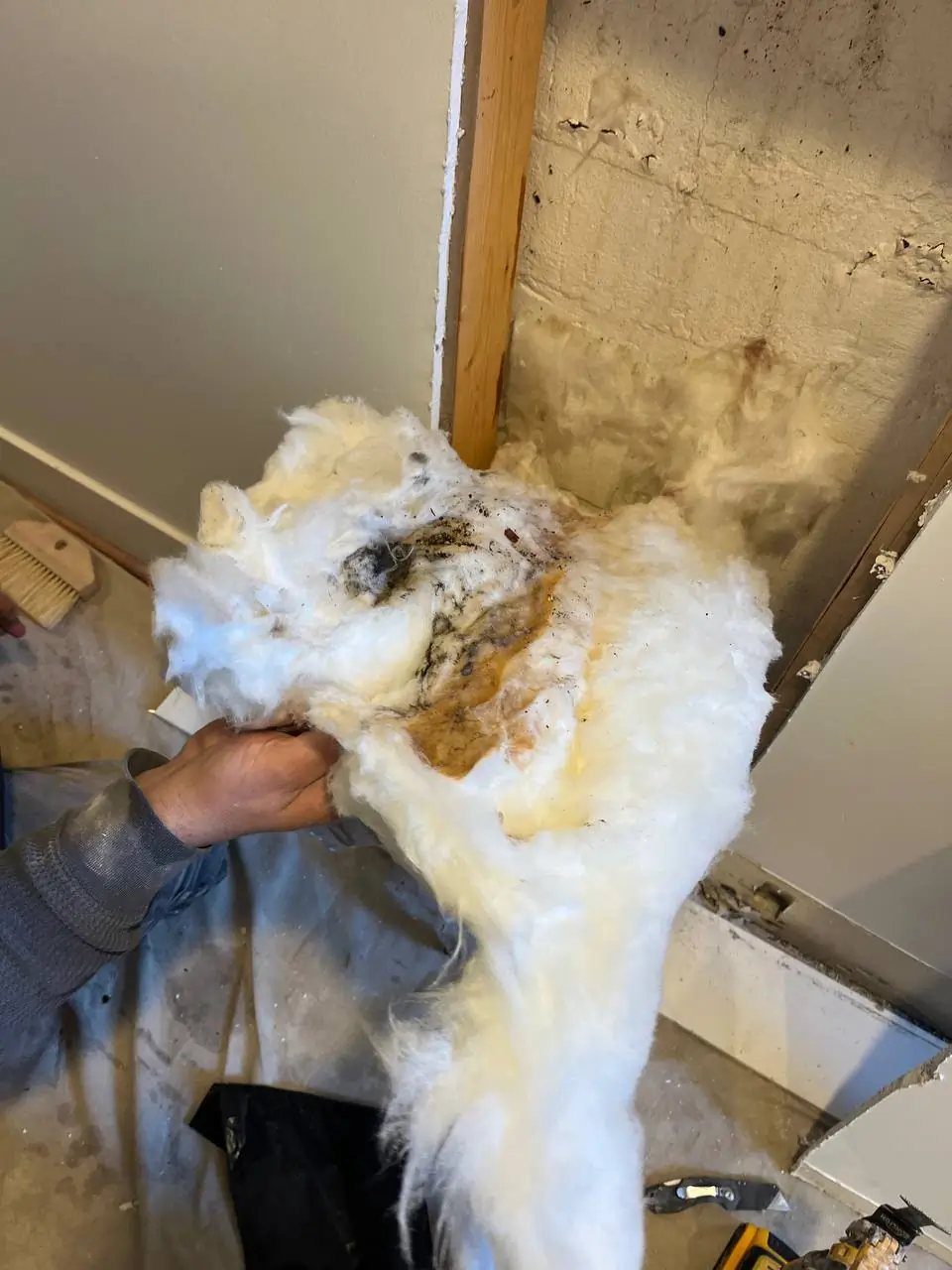
Water and structural movement can show up on the same wall, but they’re different problems. Before we pick a repair, we sort out whether it’s a steady leak, a wall that’s still moving, plain surface dampness, or pressure down at the footing.


A Crack That’s Only Leaking
If the crack is stable and just lets water through, a resin injection may handle it. If it’s widening, shifting, or still moving, it gets a structural review before we settle on drainage or crack repair is finalized.


Where a Coating Fits
Once we know the source, a coating can help with light surface dampness. It won’t stand in for drainage when water is pushing through the wall or the footing joint, and your scope should say exactly which problem the coating is there to handle.


Getting Water Away From the Footing
When water is getting down to the footing, the collector has to sit at the right height and drain to an outlet that actually works. The proposal lists the membrane protection, the drain rock and filter layer, any catch basin or pump we’re counting on, and where the water ends up.


How Your Quote Gets Built
Here’s how what we see on site turns into steps you can price and we can check as we go:
- First we mark where the water shows and check it against the grade outside.
- Access, utilities, and how far we can dig get confirmed.
- The wall prep, membrane, and protection layers are spelled out.
- Then comes the collector route and the outlet it’s meant to reach.
- How much concrete, finish, and landscaping we restore goes in writing.
- Anything hidden that turns up is documented and talked through before extra work starts.


Before We Come Out
Grab Photos While It’s Raining
A dry wall three days later doesn’t tell us much. Shoot it while it’s wet, and jot down whether it follows wind-driven rain, a long soaking stretch, or one particular downspout. Get the whole wall, the outside area right across from it, any paved edges, and standing water.
Tell Us What’s Buried or Covered
Let us know about buried utilities, past drainage work, any outlet restrictions you’ve heard about, and finishes covering the wall. If we have to cut or grind inside, we close off the area for dust and run HEPA-filtered air scrubbers when the scope calls for them.
If This Isn’t the Right Service
If water is spreading across a finished floor, you may need an interior perimeter system rather than outside wall work. Our basement waterproofing page for Mill Creek covers that job.
A wall that’s shifting needs a foundation repair assessment before any drainage detail gets locked in. The foundation waterproofing overview shows how the services fit together.
When the Dig Turns Up Surprises
Sometimes the footing is deeper than anyone guessed, or we hit buried debris, cracked concrete, a failed utility line, or an outlet sitting at the wrong height. Any of those can change the plan. A good proposal names those assumptions up front and explains how we’ll document what we find before doing extra work.
Common Questions Before a Footing Drain Quote
Short answers to what people usually ask before we price foundation waterproofing in Mill Creek, whether that’s footing drains, a membrane, or both.
Other Cities This Crew Covers
The same crew runs these inspections in nearby South Snohomish County cities too:
Seepage across a finished floor is a different job. It’s covered on our basement waterproofing in Mill Creek page.

