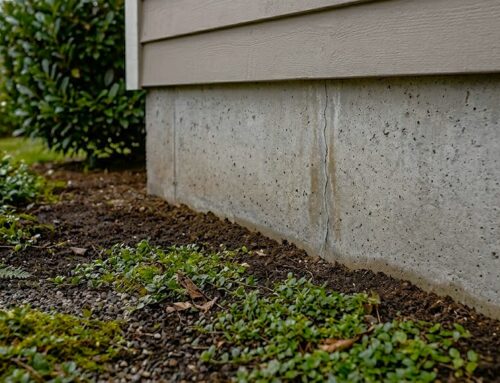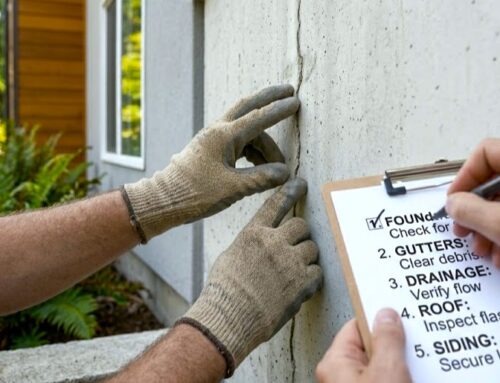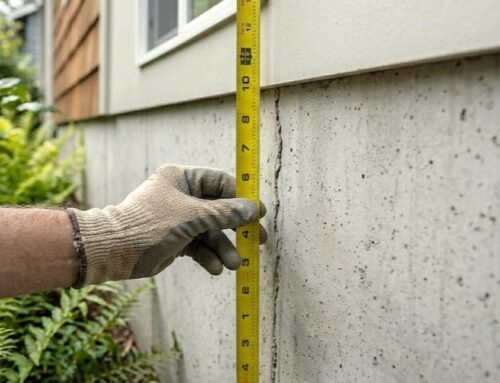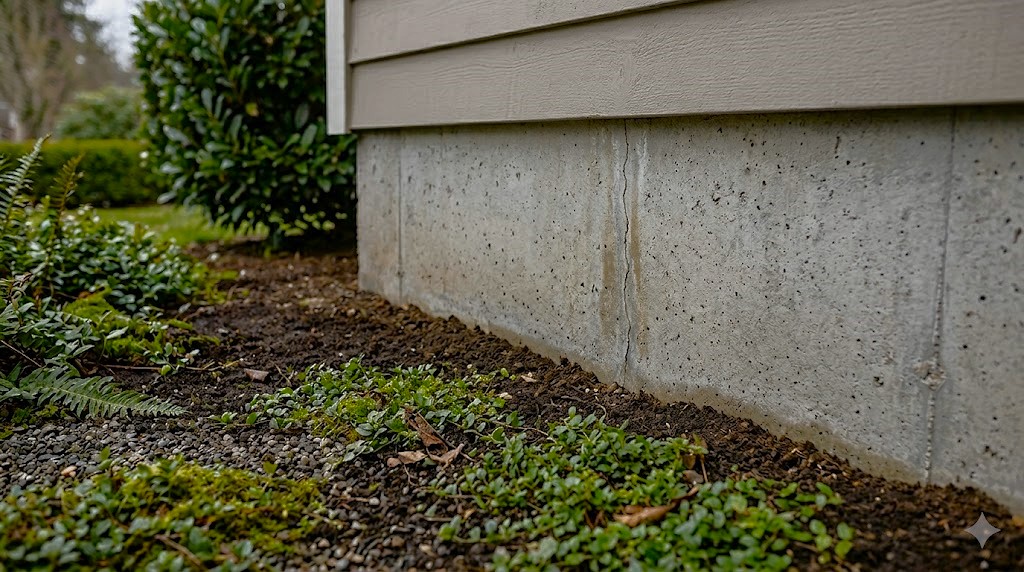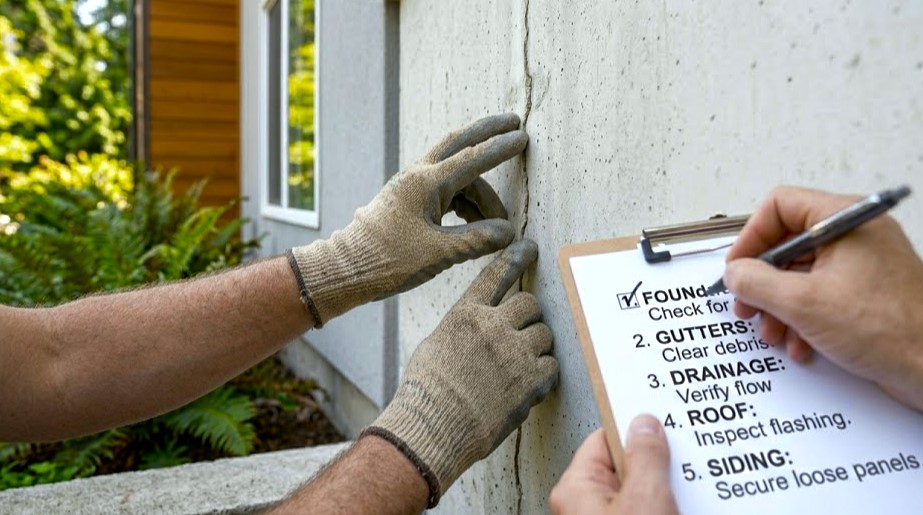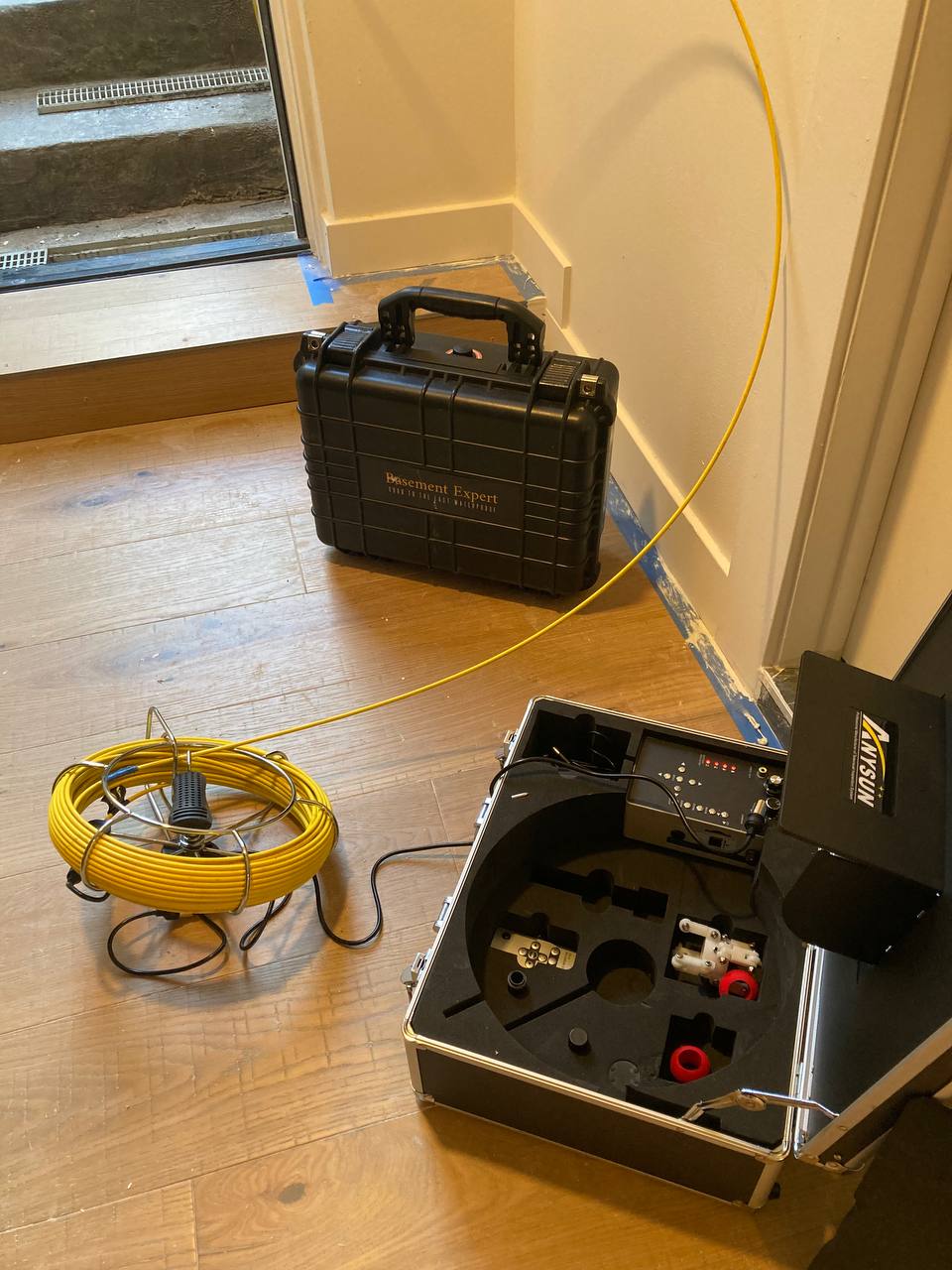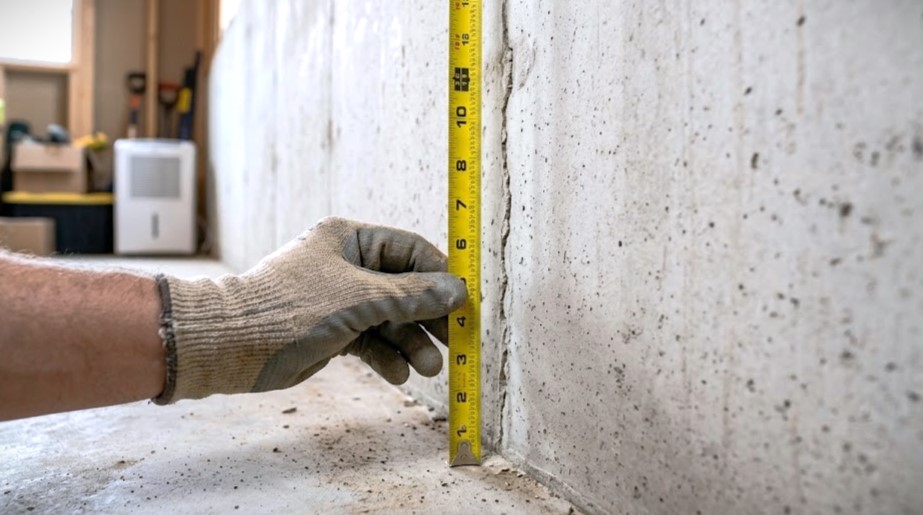
Seattle summers can make foundation cracks easier to notice—and sometimes easier to worry about. Dry-season cycles can change how cracks look (including how gaps appear) and can coincide with moisture staining patterns. The harder question is not “do I see a crack?” but “does this need monitoring or repair now?”
This guide explains how to think about monitor vs repair decisions, what we verify during an inspection, and what typical repair directions look like once we confirm what’s active vs stable.
Why cracks can seem worse—or more obvious—in summer
In the Puget Sound region, foundations experience wet winters and drier stretches where soil conditions cycle over time. Summer conditions don’t automatically create every crack by themselves, but they can:
- Change visibility of existing hairline cracking
- Reveal staining and moisture clues when patterns repeat
- Correlate with progression when cracks widen seasonally or along predictable pathways
That’s why we focus on pattern + progression + context, not on one quick look at a crack in a single month.
When monitoring can be reasonable
Monitoring is more likely to be appropriate when findings suggest the cracking is stable and not tied to active movement or moisture pathways. While every home is different, “monitor” is commonly considered when:
- The crack is hairline, dry, and not clearly changing over time
- The crack location/pattern matches non-critical behavior (for example, older shrinkage-related cracking)
- There are no movement cues (no racking doors/windows, no measurable separation, no new slope changes)
- There is no active moisture or repeating damp staining at the crack line
Even in monitor scenarios, we recommend setting a baseline: where the crack is, what it looks like now, and what you should look for later.
For a deeper breakdown, see active vs. dormant foundation cracks.
When “repair now” is usually the smarter move
If you’re seeing evidence that a crack is behaving actively, monitoring alone can become more expensive later. “Repair now” is more often justified when cracks show:
- Widening, re-opening, or seasonal growth
- Moisture coupling (efflorescence, damp areas, recurring staining after storms)
- Movement indicators like sticking doors/windows, racking patterns, or new separations
- Horizontal or near-horizontal cracking patterns (especially with any wall bowing/lean)
- Stairstep cracking in brick/masonry that tracks settlement behavior
If any of these ring true, schedule an inspection sooner rather than later—so repair sequencing can happen before wet-season pressure increases.
Why photos and history matter more than one look
We look at your crack as a story over time. During summer, the question is usually whether you’re seeing:
- An older crack that became more visible due to finishing, lighting, or seasonal conditions
- A crack that is progressing because movement or moisture behavior has changed
Helpful comparison includes older photos, any inspection reports, and notes about changes near the foundation (grading, drainage, downspouts, tree/landscaping moisture behavior, or added loads).
Typical repair directions (after inspection)
Once we confirm what’s active, what’s stable, and what’s driving the symptom pattern, repair options typically fit into a few directions:
1) Localized crack treatment
When injection/sealing is appropriate, the method should match the crack’s role and conditions. For example, choosing between epoxy vs. polyurethane crack injection depends on whether the intent is structural bonding, water control, or both.
2) Stabilization-related work
If cracking is part of a broader movement story (such as progressive wall behavior or settlement patterns), recommendations may include reinforcement or stabilization approaches aligned to verified wall/slab conditions. In those cases, cracks are a symptom—not the whole problem.
3) Drainage and water-management coordination
When hydrostatic loading or drainage concentration contributes to the failure mode, long-term success usually involves coordinated water-management improvements. If you want to understand why the moisture side matters, see risks of ignoring foundation leaks.
DIY vs professional evaluation (what usually goes wrong)
DIY repairs can make sense for small, dry, stable cosmetic cracks—but hairline cracks are easy to misread, and products may mask symptoms while moisture/movement drivers continue. If there’s any sign of:
- widening or reappearing cracks
- damp staining, efflorescence, or repeating moisture clues
- doors/windows sticking or other movement indicators
…it’s safer to treat DIY as finishing only, and get an inspection-first plan for the underlying mechanism.
How Basement Expert approaches summer crack decisions
For Seattle-area homes, we keep the process inspection-first:
- Inspection & mapping: crack patterns, locations (walls/slab/joints), moisture clues, and movement indicators
- Findings & options: what we observe, what it implies, and whether you’re in a monitoring vs repair scenario
- Sequencing: what should happen now, what can be phased, and why—so you’re not reacting
If you want the summer-specific version of this guidance, see the guide: Seattle summer foundation cracks guide.
Next steps if you’re seeing summer cracks
- Start with the summer overview: Seattle foundation cracks in summer
- Use this field checklist before storm season: Seattle foundation crack checklist before fall rains.
- Review crack repair options: Foundation Crack Repair in Seattle
- Schedule an inspection if you want a mapping-based decision: Call (206) 388-7867 or book a foundation inspection via your website contact