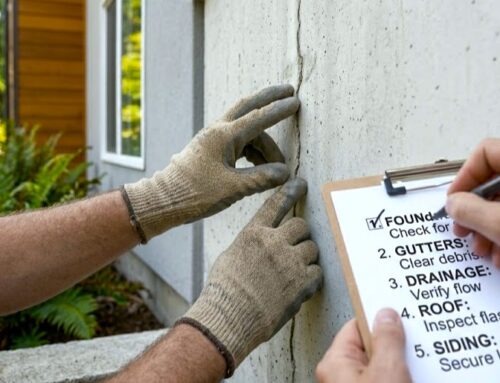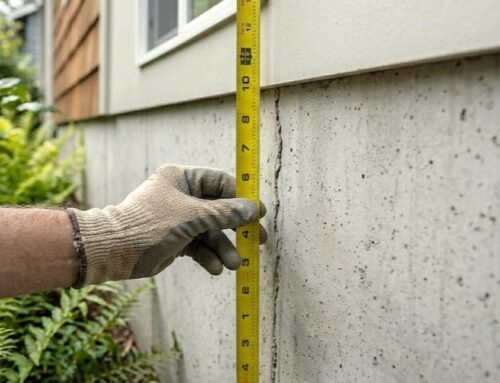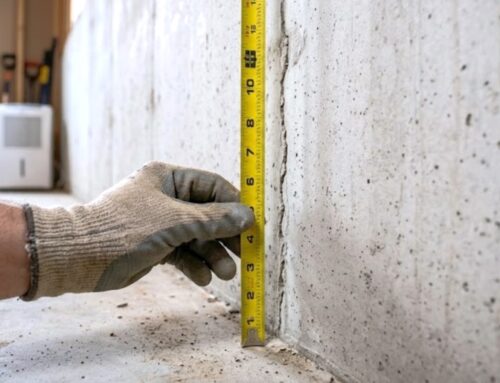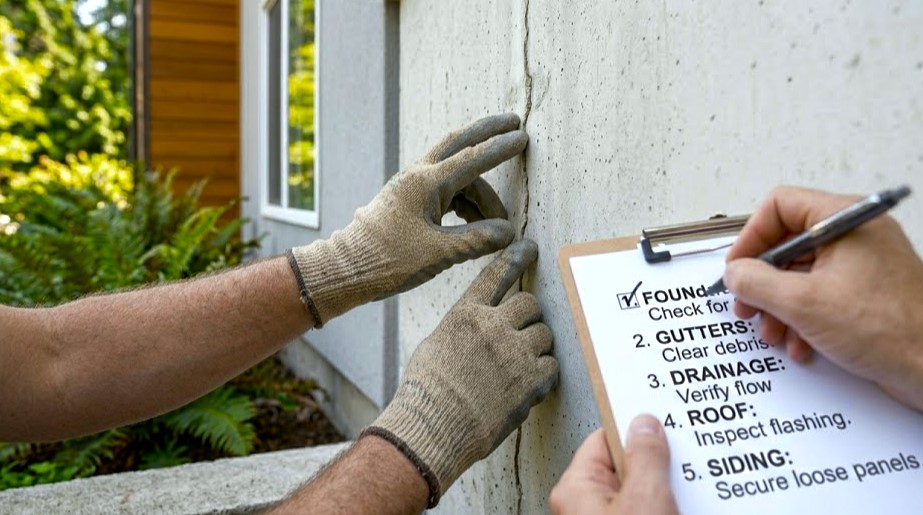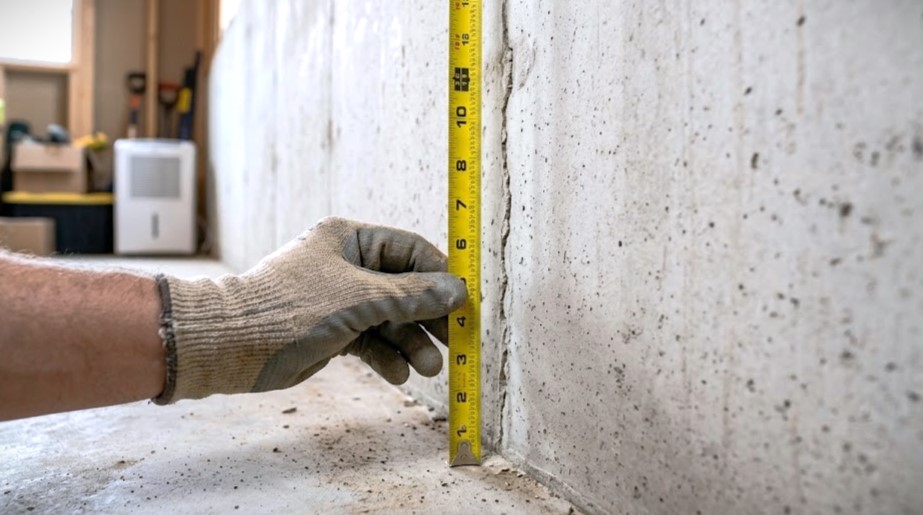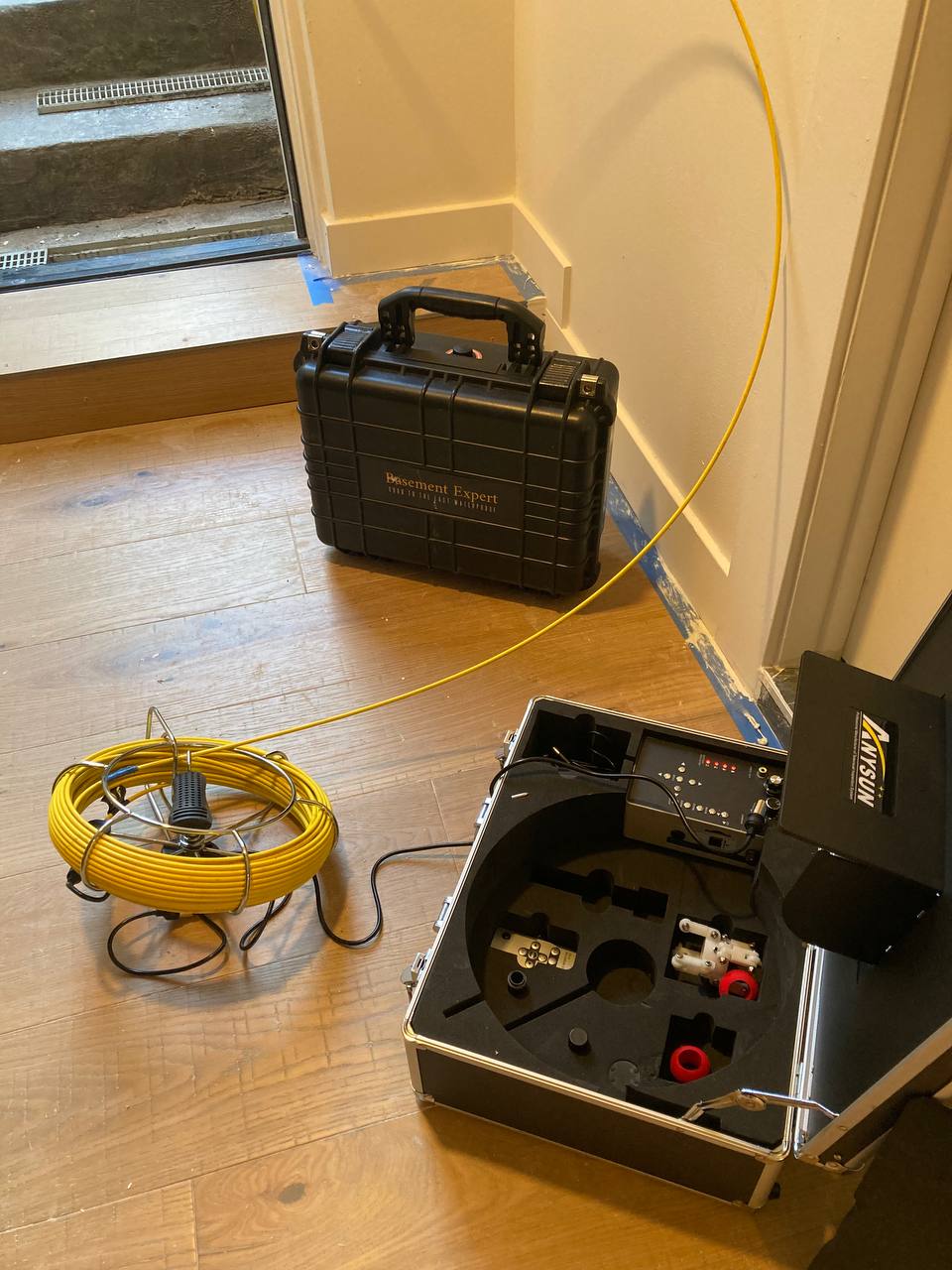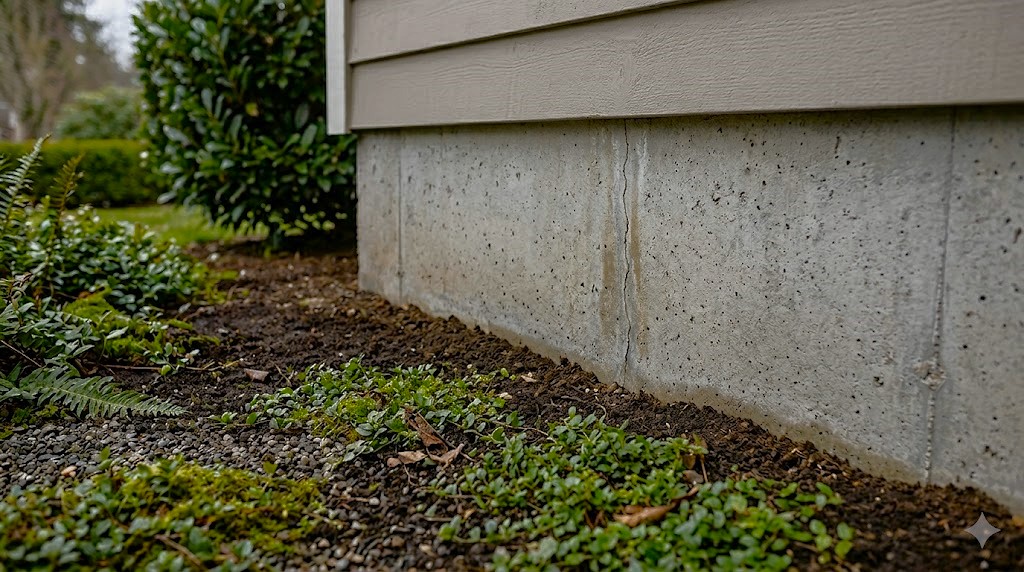
Foundation cracks worry buyers—and they worry sellers too. In the Seattle area, the goal isn’t to promise perfection on day one. It’s to document what you’re seeing, understand whether movement is active or stable, and align disclosures with professional inspection findings so you can price and negotiate with fewer surprises.
Why cracks matter when you list (and what buyers actually react to)
Buyers don’t always panic at the word “crack.” They panic at uncertainty: unclear history, vague disclosures, mismatched stories between the listing photos and the inspection report, or recommendations that sound improvised.
An inspection-first approach reduces friction because it replaces guesses with a clear baseline: what’s observed, what it likely means in our climate and soils, and what reasonable next steps look like before closing.
Start with documentation you can defend later
Photos dated across seasons
Capture the crack zone from consistent angles after dry weather and after wet weather when possible. Include context shots (corner of house, window wells, downspouts, drainage path, retaining edges).
Interior symptom notes (without diagnosing)
Track sticking doors, drywall cracking patterns, floor slope sensations, and musty episodes—but describe observations rather than conclusions. Your inspector and engineer (if needed) should connect dots you can’t responsibly claim as a seller.
Maintenance and water management proof
Buyers respond well to evidence of sensible upkeep: gutters cleaned, downspouts extended, grading that sheds water, crawl space or basement moisture responses you’ve actually performed. That history supports the narrative that you’ve managed risk—not ignored it.
Inspection-first: what “repair now” vs “monitor” can look like
Not every crack demands a major repair before listing. Some situations call for stabilization recommendations, drainage improvements, or episodic monitoring with clear triggers. Others warrant engineering review sooner.
For seasonal context on crack behavior and evaluation framing, see our guides on summer foundation cracks in Seattle, monitor vs repair, and timing before rainy season.
Align disclosures with professional language
Disclosures should reflect what you know and what a qualified professional documented. Avoid absolute claims (“permanent fix,” “never moves again”) unless an engineer’s letter truly supports that wording.
If you’ve had work performed, assemble permits (where applicable), invoices, warranties, and photos of completed work. If no work was done, be explicit about monitoring plans or recommendations you received—buyers respect clarity.
Pricing and negotiation: reduce last-minute repair demands
Pre-list specialist walkthrough
A targeted foundation evaluation before listing can shrink the gap between seller expectations and buyer inspection findings. When buyers see that issues were already reviewed credibly, many negotiations shift from fear-driven credits to scoped, factual corrections.
Credit vs repair credits vs escrow holdbacks
Talk with your real estate professional about local norms. The winning pattern is usually: scoped scope (what), qualified parties (who), and reasonable timing (when)—rather than open-ended “buyer chooses anything.”
A practical prep checklist before photography and showings
Use our Seattle foundation crack checklist as a structured walkthrough—especially helpful if you’re aiming for fall rains or winter wet seasons after listing.
- Clean crack zones so photography is honest, not staged-to-hide.
- Verify downspouts discharge away from the foundation line.
- Address obvious trip hazards and clutter that blocks inspector access.
- Gather prior reports, bids, and warranties in one PDF packet.
When to involve engineering vs standard inspection
Indicators that often justify engineering earlier rather than later include widening cracks with displacement, long-running diagonal distress across multiple finishes, measurable slope changes, chronic moisture at the footing, or prior repairs without documentation.
If you’re unsure, start with a qualified foundation inspection that can define whether escalation is warranted—rather than jumping straight into the most invasive option.
Want the bigger picture on foundation repair?
For broader repair types and Seattle-area considerations, see our foundation repair hub—then route crack-specific questions through the seasonal and checklist articles linked above.
Ready for a clear baseline before buyers tour?