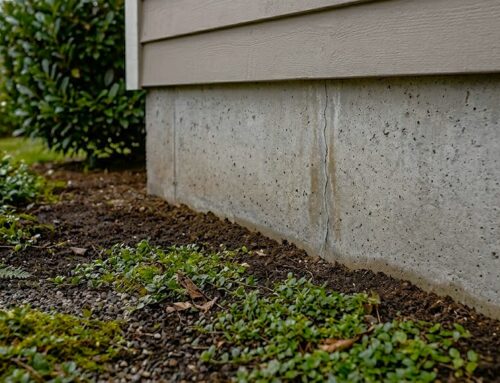
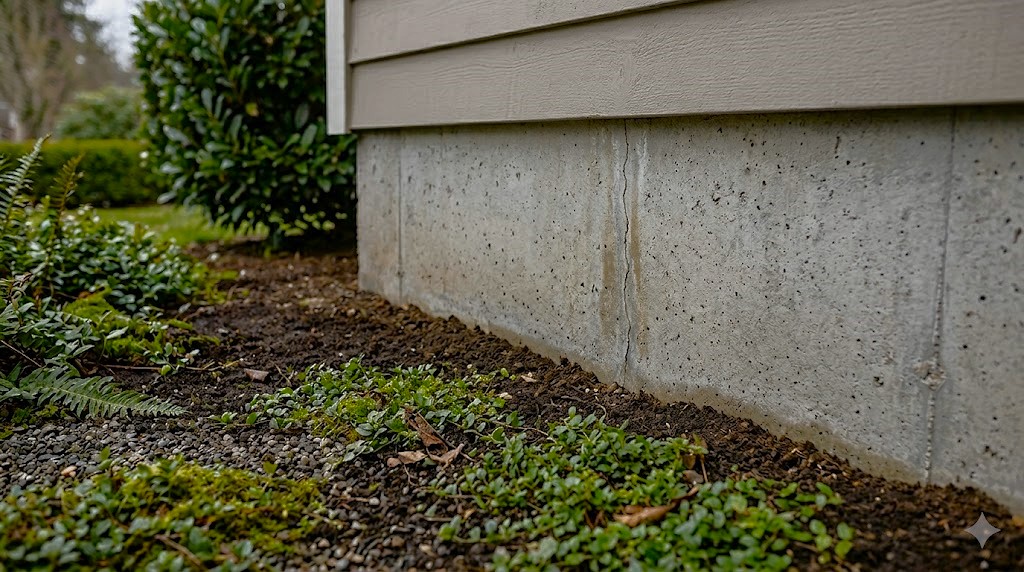
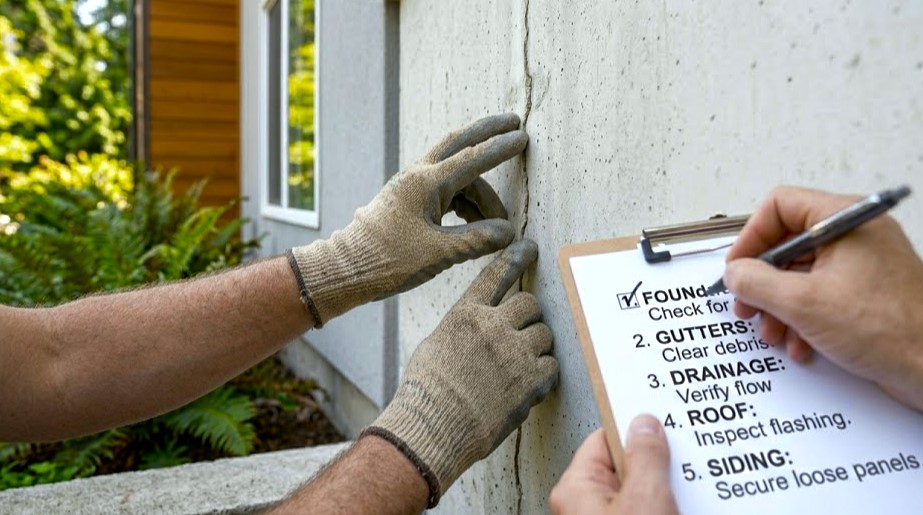
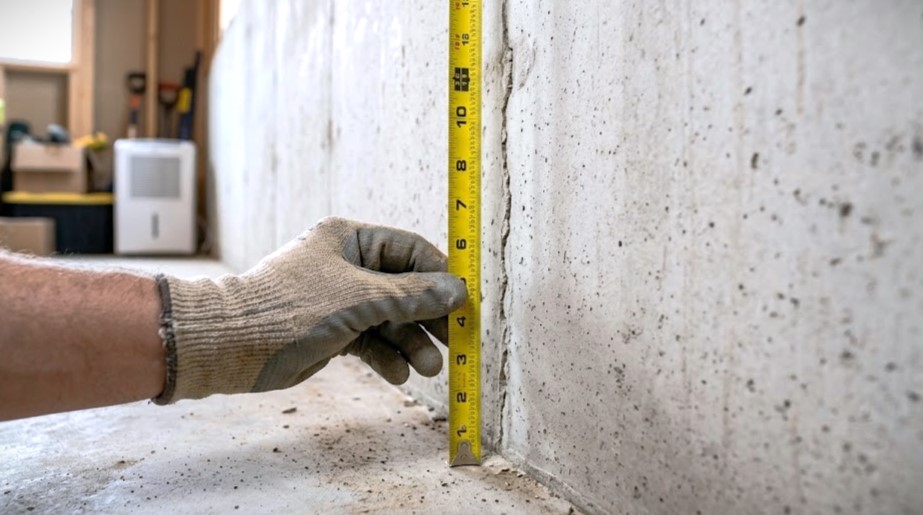
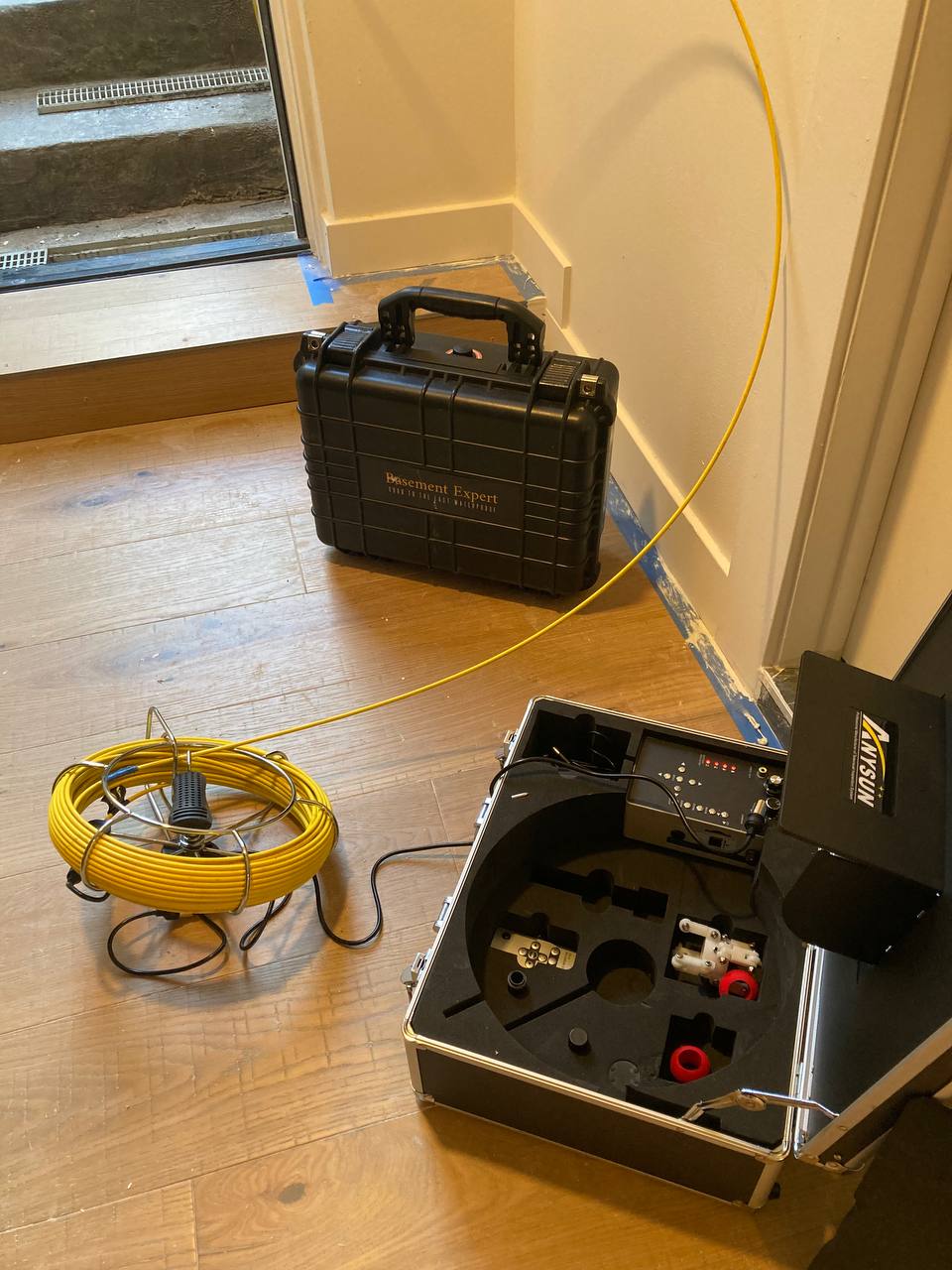
In Seattle, many homeowners notice cracks in summer and ask the same question: “Should I fix this now, or wait?” The short answer is that timing depends on crack behavior, moisture clues, and whether movement appears active. Waiting can be reasonable in some cases—but delaying the wrong pattern often increases scope once wet-season pressure returns.
This guide explains how to think about crack-repair timing before rainy-season loading and when an inspection-first approach is the safer move.
Why rainy season timing matters in Seattle
During wet months, water loading against below-grade assemblies can increase stress where drainage/discharge conditions are weak. If cracks are already acting as moisture pathways, rainy-season cycles can make symptoms more obvious and remediation more complex.
- Recurring seepage can expand interior damage risk (finishes, stored items, localized framing exposure).
- Cracks tied to active movement can show faster progression when moisture and soil behavior shift.
- Reactive “emergency” work during storms is often less predictable than planned pre-season sequencing.
For summer-specific symptom context, see our Seattle summer foundation cracks guide.
When fixing before rainy season is usually smart
Pre-season action is commonly justified when one or more of these are present:
- Widening cracks or cracks that re-open after prior patching.
- Moisture evidence (efflorescence, damp lines, staining, recurring seepage).
- Movement indicators (sticking/racking doors/windows, separations, slope changes).
- Horizontal/near-horizontal wall cracking, especially with any inward lean.
- Patterns that appear to track settlement or ongoing structural stress.
In these scenarios, inspection and sequencing before heavy rain cycles can reduce surprises and help prioritize the right first step.
When waiting may be reasonable (with monitoring)
Not every crack requires immediate repair. Waiting can be reasonable when the crack appears stable and there are no signs of active moisture or movement.
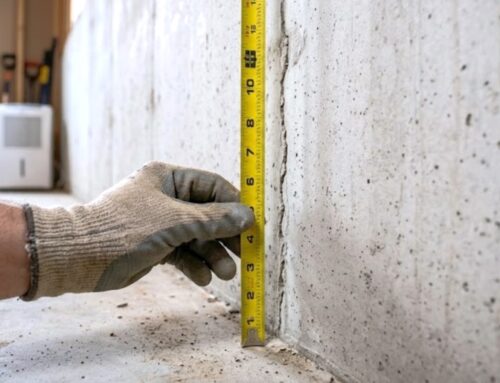
- Hairline cracking with no measurable change over a documented interval.
- No recurring moisture at the crack line and no linked movement symptoms.
- Pattern/history suggests low-risk behavior, with a clear monitoring plan in place.
Even then, set a baseline (photos/notes/dates) and define what would trigger re-evaluation.
For pattern interpretation, see active vs. dormant foundation cracks.
What an inspection clarifies before you decide
Before choosing “repair now” vs “monitor,” we verify:
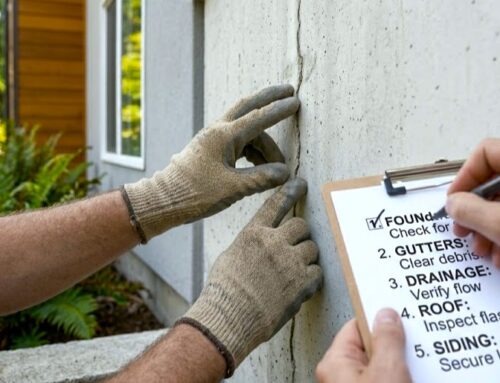
- Crack context: orientation, location, continuity, and change history.
- Moisture pathways: where water is likely entering/moving and whether staining supports active leakage patterns.
- Movement clues: whether symptoms suggest localized cracking or broader stabilization considerations.
- Drainage/discharge influence: whether runoff/grading/downspout behavior is part of the failure mode.
That evidence is what determines sequencing—not a one-size package.
Repair timing and method should match the mechanism
When repairs are appropriate before rainy season, the method should fit the goal and conditions:
- Injection-based options when crack behavior and moisture conditions support it (see epoxy vs. polyurethane).
- Stabilization-related work when crack progression reflects broader movement behavior.
- Drainage/discharge coordination when hydrostatic loading contributes to repeat symptoms.
Ignoring moisture-coupled cracking can increase long-term scope—see risks of ignoring foundation leaks.
Common homeowner timing questions
If the crack is small, can I wait until after winter?
Sometimes yes, if it’s stable and dry with no linked movement signs. If there’s progression or moisture evidence, waiting may increase repair complexity.
Do all cracks need immediate injection?
No. Some cracks are monitorable; others require injection, stabilization, or drainage coordination. Method selection follows observed behavior.
What if I’m preparing to sell?
Pre-season documentation and clear scope decisions usually reduce buyer uncertainty more than leaving symptoms unexplained.
Next steps before rainy season
- Run a quick self-audit first: Seattle foundation crack checklist before fall rains.
- Review seasonal context: Seattle summer foundation cracks guide
- See service detail: Foundation Crack Repair in Seattle
- For broader structural context: Seattle foundation repair hub
- Need a timing decision now? Call (206) 388-7867 to schedule an inspection.