

Commercial Water Damage Restoration
| Seattle, Bellevue, Everett |
Fast Response. Strategic Mitigation. Rapid Recovery.

Water intrusion is one of the most disruptive events a business can face. Whether it is a burst overhead pipe, a failed foundation seal, or severe weather, commercial water damage halts operations, damages inventory, and creates massive liability.
At Basement Expert, we specialize in commercial water damage restoration for businesses across Seattle, North King County, and Snohomish County. We are not a 24/7 emergency dispatch that rushes a minimally trained crew in the middle of the night; instead, we offer highly strategic, fast response service with same-day scheduling during operational hours. We deploy seasoned project managers to accurately assess the damage, formulate a precise mitigation plan, and get your business back online quickly and safely.
Commercial Water Damage Restoration Services We Offer:
For a comprehensive overview of our general extraction techniques, visit our Water Damage Restoration page.
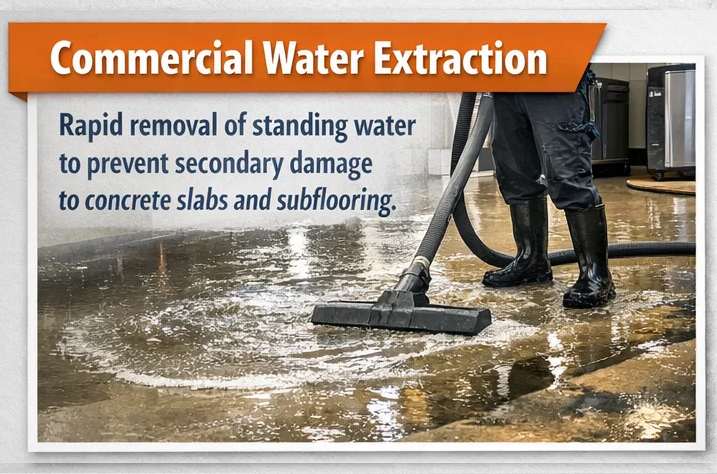
Commercial Water Extraction
Rapid removal of standing water to prevent secondary damage to concrete slabs and subflooring.
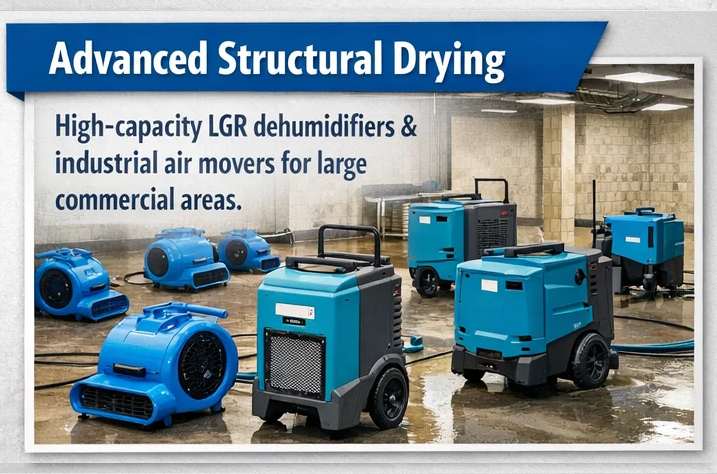
Advanced Structural Drying
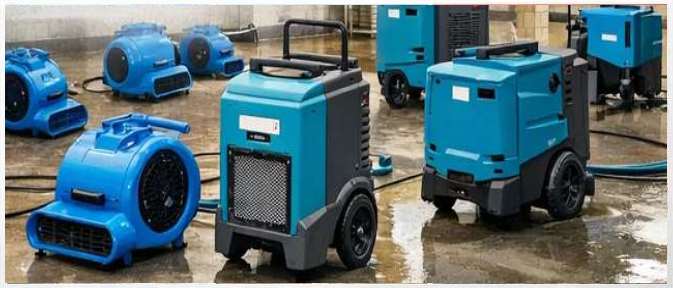
Deployment of high-capacity LGR dehumidifiers and axial air movers designed for large commercial square footage.
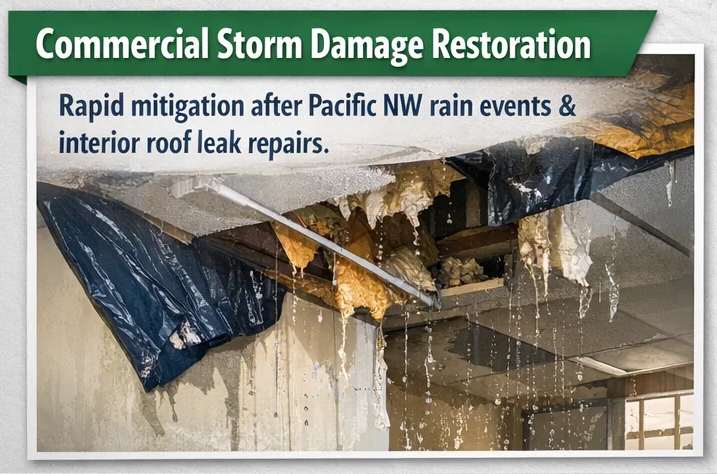
Commercial Storm Damage Restoration
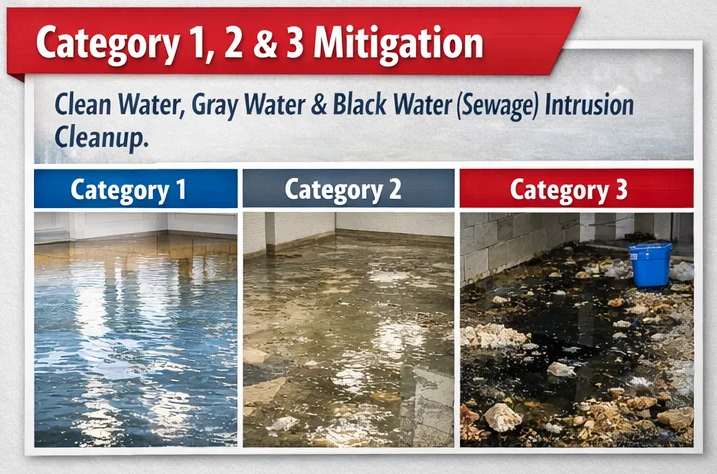
Category 1, 2, and 3 Mitigation
Industry Standard Compliance: We follow strict structural drying protocols. You can learn more about water damage and mold prevention standards for commercial buildings via the CDC (Centers for Disease Control) guidelines on water damage.


The Basement Expert 5-Step Water Restoration Process
Our systematic approach ensures we mitigate the commercial water damage rapidly while keeping your business operations as uninterrupted as possible.
1. Same-Day Site Inspection & Moisture Mapping
We respond with same-day scheduling to get eyes on the problem immediately. Using thermal imaging cameras and penetrating moisture meters, we map the exact migration path of the water—identifying trapped moisture behind drywall, under commercial carpeting, and within concrete slabs
2. Water Extraction & Hazard Containment
We immediately begin extracting standing water using truck-mounted and portable extraction units. If the water is Category 2 or 3, we establish poly-containment barriers and negative air pressure to isolate the affected zone from the rest of your facility.
3. Controlled Selective Demolition
To facilitate rapid drying and prevent commercial mold damage, we perform controlled demolition. This includes strategic flood cuts (removing the bottom 18-24 inches of drywall), removing saturated insulation, and pulling up un-salvageable flooring materials.
4. Advanced Structural Drying
We install a calculated matrix of commercial-grade LGR dehumidifiers and high-velocity air movers. We monitor the environment daily, updating “dry-out logs” to track humidity, temperature, and moisture content until the structural framing meets strict dry-standard baselines.
5. Final Moisture Verification & Documentation
Once drying is complete, we perform a final moisture verification test. We provide you and your insurance adjuster with comprehensive documentation, ensuring a smooth claims process. If moisture went undetected for too long prior to our arrival, we seamlessly transition into our Mold Remediation Services.
Targeted Industry Solutions
Every commercial space in the Seattle-Everett corridor has different recovery needs. We tailor our commercial restoration services to your specific sector:
-
Retail & Showrooms: We prioritize fast response service to save flooring and high-value inventory, often working in phases so you can keep the doors open.
-
Warehouse & Industrial: We utilize high-capacity LGR drying for massive concrete slabs in South Seattle and Everett manufacturing hubs.
-
Property Management & HOAs: We provide the “paper trail” (moisture maps and thermal logs) required for North King County board meetings and insurance adjusters.
-
Medical & Dental Offices: Specialized commercial mold remediation and sanitization to meet strict healthcare hygiene standards.
The “Silent Loss”: Why Immediate Commercial Restoration Matters
In the Puget Sound’s high-humidity environment, commercial water damage that isn’t addressed within the first 24–48 hours inevitably leads to:
-
Structural Compromise: Moisture wicking into metal studs or rotting wood seal plates (as seen in our Woodinville case study).
-
Increased Liability: Commercial mold growth can lead to employee respiratory complaints and “Sick Building Syndrome.”
-
Revenue Loss: Extended “Business Interruption” claims that exceed the cost of the actual physical restoration.
Expert Tip: Check your commercial lease agreement. Most leases in Washington State require the landlord to initiate commercial damage restoration within a specific timeframe to protect tenant safety. Refer to the Washington State Legislature – Residential Landlord-Tenant Act (applicable to many mixed-use properties) for legal maintenance standards.
Engineering-Grade Commercial Water Restoration Services:
High-Volume Commercial Water Extraction
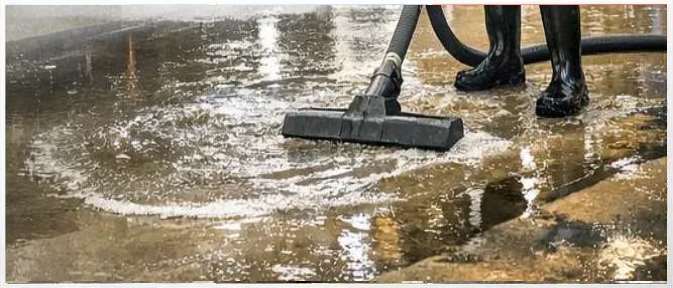
Physical extraction is 500 times more efficient than evaporation alone. We utilize truck-mounted suction units and industrial submersible pumps to rapidly remove standing water from concrete slabs, subflooring, and elevator pits. By removing the bulk of the liquid immediately, we halt the “wicking” effect that allows water to travel vertically through porous wall assemblies.
Advanced Structural Drying (ASD)

Commercial Storm Damage Stabilization
Following severe Pacific Northwest weather events, we provide immediate building envelope protection. Our team manages rapid roof leak containment and interior damage control to prevent rain-driven water from migrating into electrical systems or mechanical rooms. We prioritize “stabilization first” to protect your high-value business assets.
IICRC-Compliant Category 1, 2, and 3 Mitigation
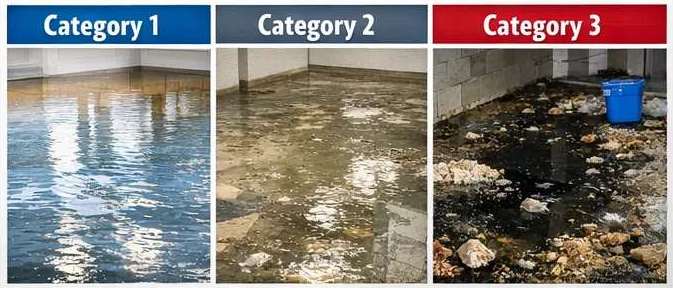
Not all water is equal. We provide safe handling for all contamination levels: Category 1 (Clean): Broken supply lines. Category 2 (Gray): Dishwasher/Sump pump discharge containing chemical or biological contaminants. Category 3 (Black): Highly hazardous sewage or rising floodwaters. Each category requires a specific decontamination protocol to ensure the space is legally safe for re-occupancy.
Proven Results: Seattle Area Water Damage Case Studies
We deliver measurable results for property managers and business owners. Here are three recent examples of our commercial restoration services in the local area.
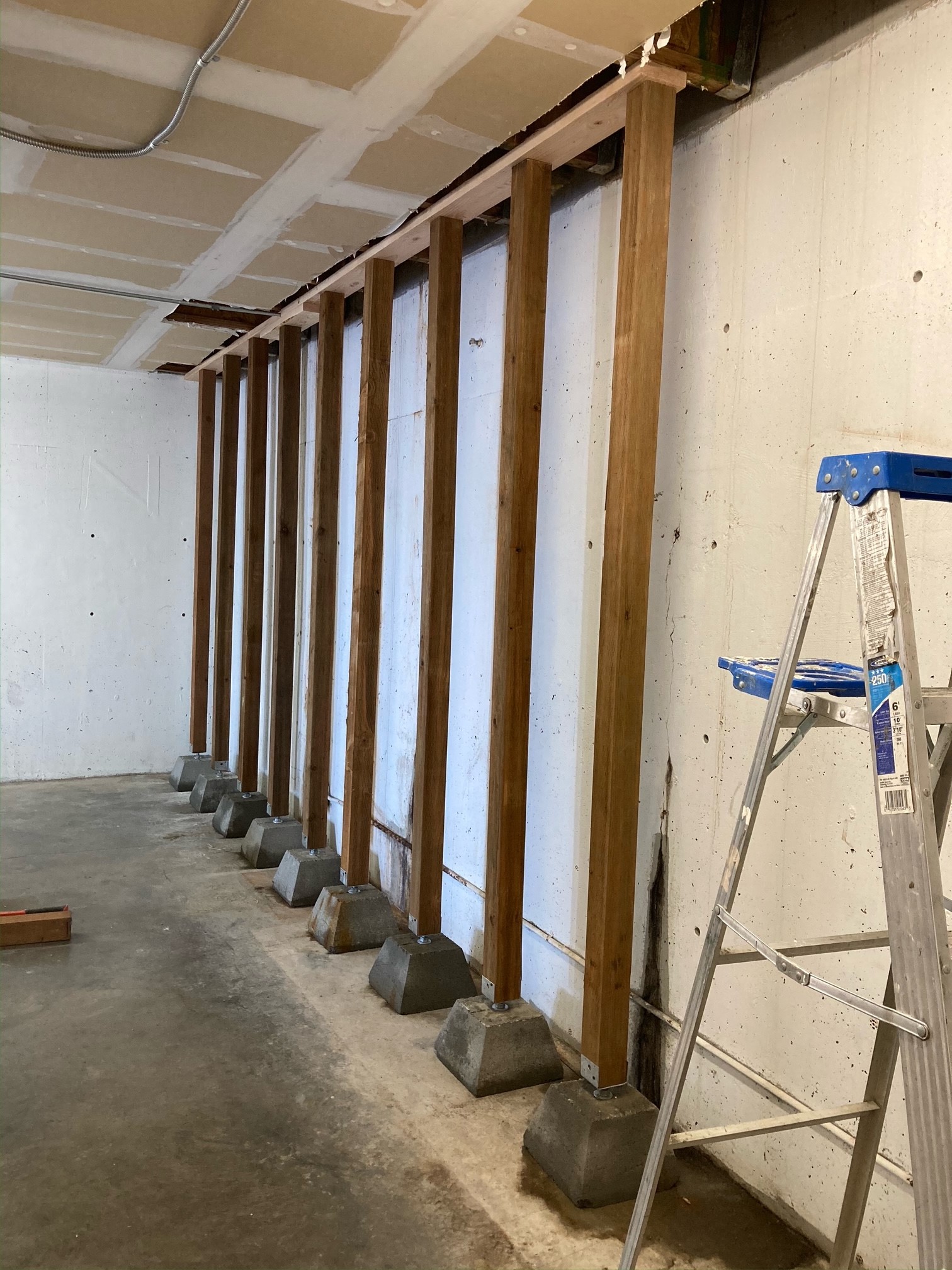
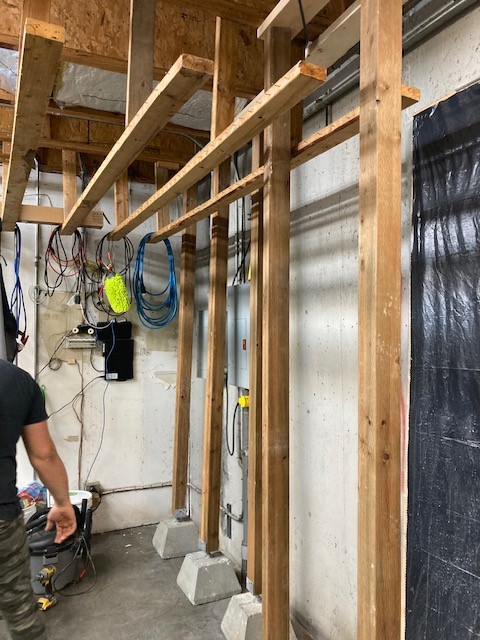
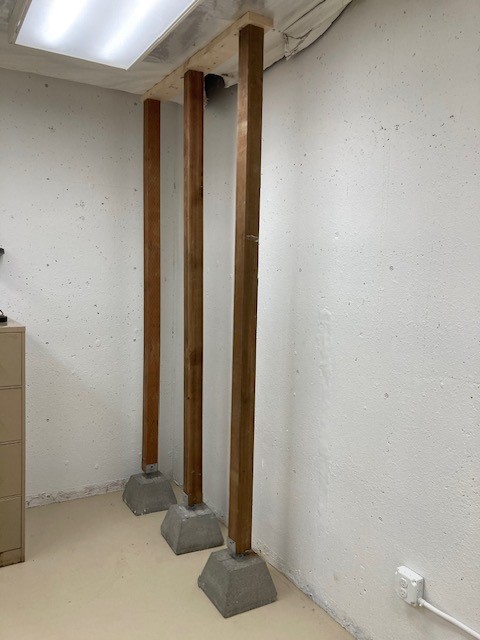
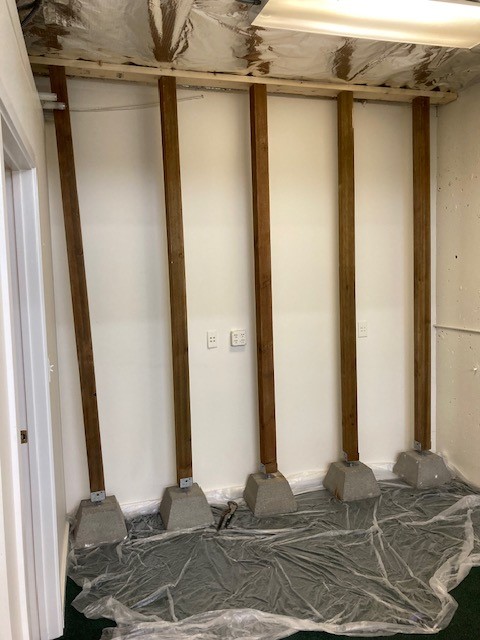
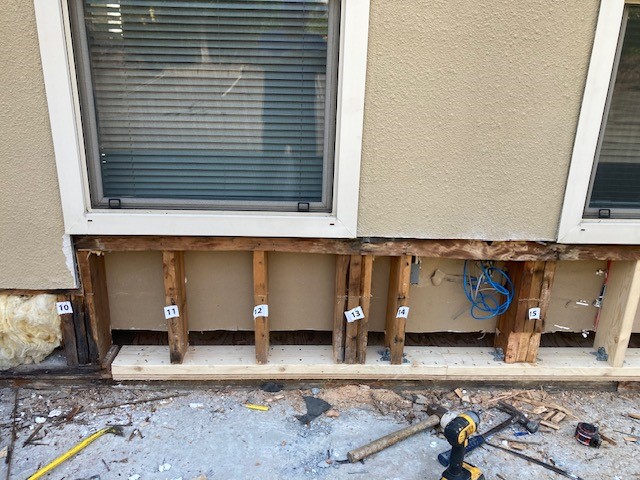
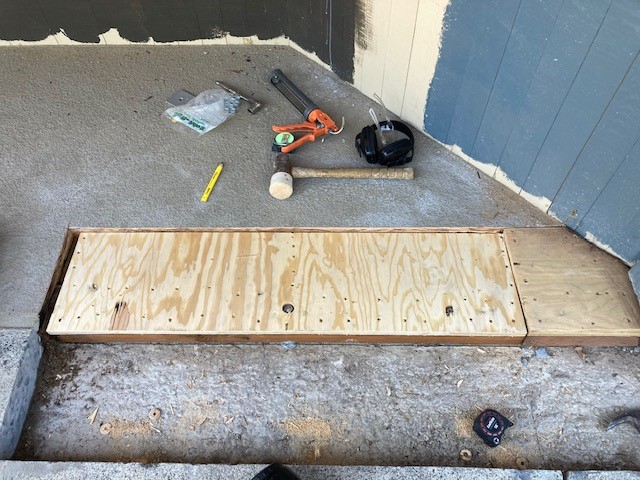
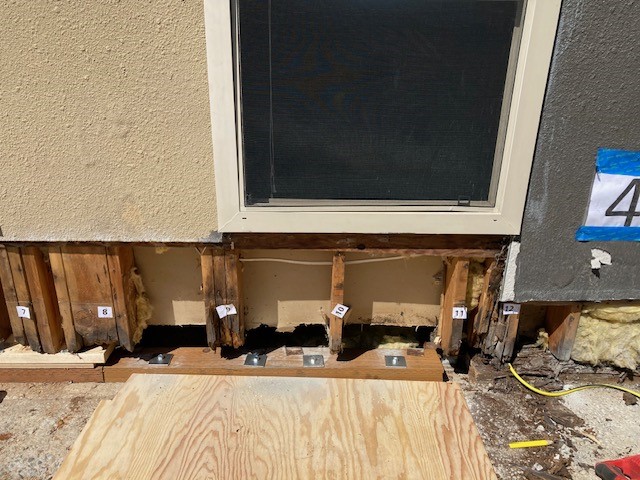
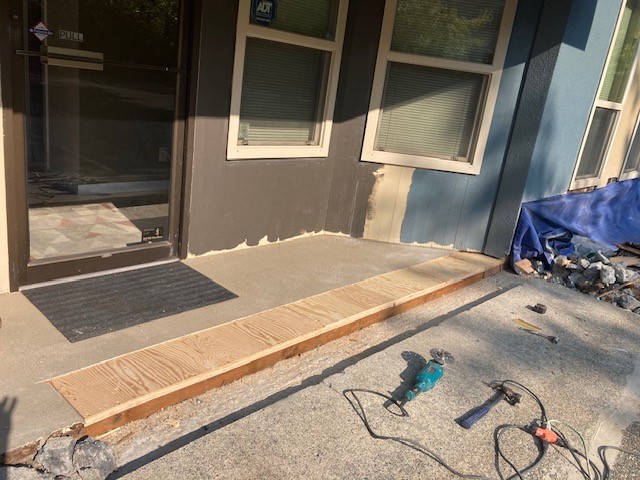
Case Study 1: Commercial Water Damage Restoration & Seal Plate Replacement
Client Type: Multi-tenant office building Location: Woodinville, WA Cause of Loss: Failed exterior waterproofing and deteriorated sill (seal) plates Category / Class: Category 2 water intrusion, Class 2 loss Square Footage Affected: ~5,200 sq ft Response Time: Same-day site inspection; mitigation initiated rapidly
Situation The property manager reported recurring water intrusion during heavy rain events, affecting first-floor offices. Investigation revealed long-term moisture intrusion at exterior wall assemblies caused by improper drainage, failed exterior membrane, and advanced rot in multiple sill (seal) plates along the building perimeter.
Scope of Work
-
Moisture intrusion investigation using thermal imaging and invasive probing.
-
Controlled demolition of lower drywall sections and base trim (flood cut 18–24”).
-
Removal of rotted sill plates and compromised framing members.
-
Seal plate replacement using pressure-treated lumber and capillary break installation.
-
Installation of commercial-grade LGR dehumidifiers and axial air movers.
-
Application of EPA-registered antimicrobial treatment to exposed framing. (See the EPA guidelines on moisture control for more on preventing structural rot).
Timeline
-
Day 1: Investigation, containment, selective demolition
-
Days 2–4: Structural drying and preparation for carpentry work
-
Days 5–7: Seal plate removal and replacement, framing repairs
-
Day 8: Final drying confirmation and clearance for rebuild
-
Total Mitigation Time: 8 days
Result All affected sill plates were successfully replaced, restoring structural integrity. Moisture levels returned to acceptable baseline readings, and no mold growth was detected. Tenants remained operational throughout the project with phased containment.
Case Study 2: Fast Response Pipe Burst Mitigation
Client Type: Retail Storefront Location: Downtown Seattle, WA Cause of Loss: Overhead supply pipe failure Category / Class: Category 1 water, Class 3 loss (overhead saturation) Square Footage Affected: ~3,500 sq ft Response Time: Same-day site inspection and immediate extraction
Situation A pressurized overhead water line failed during business hours, saturating the drop ceiling, inventory shelving, and commercial carpet across the showroom floor. The business faced massive inventory loss and immediate operational shutdown.
Scope of Work
-
Rapid water extraction from commercial carpeting using weighted extraction rovers.
-
Removal of collapsed acoustic ceiling tiles and saturated grid insulation.
-
Deployment of desiccant dehumidifiers to aggressively pull moisture from the air and protect remaining inventory.
-
Daily moisture mapping to ensure the concrete slab below the carpet was drying properly.
Timeline
-
Day 1: Water extraction and overhead demolition.
-
Days 2-4: Aggressive structural drying and monitoring.
-
Day 5: Final moisture readings and equipment removal.
-
Total Mitigation Time: 5 days
Result Because of our fast response service, over 80% of the high-value retail inventory was saved from secondary humidity damage. The store was able to safely reopen to the public on day six.
Case Study 3: Commercial Storm Damage Restoration
Client Type: Light Manufacturing Facility Location: Everett, WA (Snohomish County) Cause of Loss: Roof drain failure during severe storm Category / Class: Category 2 water (rainwater runoff), Class 2 loss Square Footage Affected: ~8,000 sq ft Response Time: Same-day assessment and mitigation planning
Situation During a heavy Pacific Northwest storm, a blocked roof drain caused water to pool and eventually breach the roof envelope, flooding a section of the manufacturing floor and an adjoining administrative office.
Scope of Work
-
Coordination with a commercial roofer for temporary weatherproofing.
-
Extraction of standing water from the concrete warehouse floor.
-
Removal of saturated drywall in the administrative offices.
-
Application of antimicrobial treatments to prevent commercial mold.
-
Setup of targeted drying zones to allow forklift traffic to continue in unaffected areas.
Timeline
-
Day 1: Standing water extraction and site stabilization.
-
Days 2-5: Structural drying of office framing and warehouse slab.
-
Day 6: Final verification and project sign-off.
-
Total Mitigation Time: 6 days
Result By utilizing a targeted containment and drying strategy, the manufacturing floor experienced zero days of production downtime. The administrative staff was temporarily relocated, and the framing was preserved perfectly for the rebuild phase.
Effective commercial water damage restoration requires a data-driven strategy that addresses both immediate saturation and long-term facility health. Whether recovering from high-volume fire sprinkler discharge or managing the complex vertical migration of a multi-story pipe burst, our protocols are designed to maximize business continuity and operational uptime. We distinguish between simple drying and comprehensive commercial flood mitigation, prioritizing the restoration of critical MEP rooms and electrical infrastructure. For hazardous events like sewage backups, we implement strict containment to ensure mold prevention and IAQ management. Every project is validated by establishing an empirical dry standard, providing the technical documentation necessary to close complex insurance claims and return your facility to service with zero hidden liabilities.
Commercial Restoration FAQ
Not necessarily. Our goal is to maintain your business continuity. Whenever safely possible, we utilize phased Level 3 containment barriers and negative air pressure. This isolates the commercial water damage, often allowing unaffected areas of your Seattle or Snohomish County facility to safely remain open for employees and customers.
Absolutely. Commercial claims require meticulous, data-driven proof. As experienced commercial restoration contractors, we provide your adjuster with comprehensive moisture mapping, daily dry-out logs, and detailed photographic documentation. This rigorous reporting streamlines your claim and expedites your commercial disaster recovery.
Basement Expert proudly serves property managers, facility directors, and business owners throughout the Greater Seattle area, heavily focusing on Seattle, North King County, and Snohomish County.
It easily can if the moisture is not properly extracted and dried. This is why our commercial water restoration process goes far beyond basic wet-vacuuming. We utilize advanced structural drying (LGR dehumidifiers and air movers) and apply EPA-registered antimicrobials to ensure the building envelope is dried to strict scientific baselines. This proactive approach stops secondary commercial mold growth before it starts.
Yes. We are fully equipped to handle Category 1 (clean water), Category 2 (gray water), and Category 3 (black water/sewage) intrusions. We apply the appropriate hazard containment, PPE, and commercial remediation services required for each specific classification.
Serving Seattle and the North Sound
We provide commercial water damage restoration to the following communities:
| North King County | Snohomish County (South) | Snohomish County (North) | Seattle Neighborhoods |
| Shoreline | Lynnwood | Everett | Northgate |
| Lake Forest Park | Edmonds | Marysville | Ballard |
| Kenmore | Mountlake Terrace | Lake Stevens | Green Lake |
| Bothell | Mill Creek | Arlington | Wedgwood |
| Woodinville | Mukilteo | Snohomish | |
| Kirkland | Brier | Monroe | |
| Redmond | Alderwood Manor | Maltby | |
| Woodway | Silver Firs |
Short answer
A dry standard is a scientific baseline established by measuring moisture in unaffected materials within the same facility. In a commercial insurance claim, reaching that baseline is the only defensible proof that the structure is restored. Empirical moisture mapping protects you from future mold liability and denied or reduced claims.
Dive deep
In residential work, dry to the touch may satisfy a homeowner. In a multi-million-dollar commercial claim, it is legally insufficient. Accepting restoration that never verified a dry standard opens the door to litigation over hidden mold or structural decay years later.
At the start of every commercial project, we identify control materials—drywall, concrete, and wood in areas the water never reached. Moisture meter readings on those materials become the target for all impacted areas. We maintain a daily drying log tracking temperature, relative humidity, and material moisture content every 24 hours.
This data-driven approach is your strongest tool during insurance adjustment. It demonstrates that drying equipment was necessary and that work met IICRC S500 standards. A certificate of completion backed by empirical readings closes the claim with defensible documentation. The bad advice to watch for: contractors who declare the job done when surfaces feel dry without probe readings on assemblies.
When it applies
- Commercial water damage insurance claims of any significant scale
- Multi-tenant or high-value facilities where liability exposure is high
- Projects where an adjuster requires documented drying progress
- Any restoration where hidden moisture could support future mold growth
When it does not
- Minor Category 1 spills with no assembly penetration and no claim filed
- Emergency extraction only before a full restoration scope is defined
- Pre-loss baseline documentation unrelated to an active water event
What we do next
We establish control readings, log daily progress, and deliver completion documentation tied to verified moisture levels. For claim-backed commercial drying, work with our commercial water damage restoration team.
Short answer
MEP rooms house switchgear, boilers, HVAC controls, and other critical infrastructure. Water here can shut down the entire facility. Restoration focuses on precision drying of sensitive electronics and structural slabs to prevent electrical arcing, machinery corrosion, and utility failures that block re-occupancy.
Dive deep
When a water main breaks or a drain fails in an MEP room, the building faces a total operational blackout. Water and high-voltage switchgear are a catastrophic mix—even minor moisture can cause arcing, equipment destruction, and fire risk. Our first objective is protecting critical assets while coordinating with facility electricians on safe power isolation.
We avoid high-velocity air movers that kick dust into electronic components. Instead, we use low-grain dehumidification to drop ambient humidity to near-desert levels, wicking moisture out of equipment casings without disturbing sensitive assemblies. On site we map which panels, controls, and mechanical units were exposed and verify electrical clearance before equipment restarts.
A hidden risk is the concrete slab beneath heavy boilers and chillers. Saturated pads lead to rebar corrosion that weakens the pad’s load-bearing capacity over time. Deep-penetrating moisture sensing confirms the slab is dry before the room returns to full service. Prioritizing the MEP room lets elevators, lighting, and HVAC come back online faster, reducing loss-of-use time.
When it applies
- Water ingress in electrical, mechanical, or boiler rooms
- Switchgear, control panels, or HVAC equipment exposed to moisture
- Facilities where a single utility failure disables the entire building
- Post-flood recovery where re-occupancy depends on restored utilities
When it does not
- Water damage limited to tenant finish space with no MEP exposure
- Minor condensation on exterior mechanical equipment with no slab saturation
- Planned equipment maintenance unrelated to water intrusion
What we do next
We secure the MEP space, document moisture in slabs and enclosures, and deploy drying suited to sensitive equipment. For commercial utility-room emergencies, contact our commercial restoration company in Seattle.
Short answer
A sewage backup is Category 3 water—grossly unsanitary, carrying pathogens, heavy metals, and other contaminants that pose immediate health risk. Commercial facilities require OSHA-compliant containment, professional decontamination of porous materials, and independent clearance testing before safe re-occupancy under health codes.
Dive deep
Whether from a municipal line failure in Lynnwood or a mechanical clog in a retail center, sewage backup is a regulatory and liability crisis—not a cleaning job. Restaurants, offices, and schools that skip proper decontamination face health code violations and potential closure.
Our Category 3 protocol centers on source containment and decontamination. We establish a critical barrier with 6-mil poly and negative air pressure so airborne contaminants and odors do not migrate through the facility. Porous materials—drywall, insulation, carpeting—cannot be cleaned once saturated with sewage; we follow a strict remove-and-sanitize protocol.
Remaining structural skeleton—concrete slabs and steel studs—is pressure-washed and treated with EPA-registered, hospital-grade antimicrobials rated for biohazard neutralization. We recommend third-party Post-Remediation Verification (PRV) testing so property managers receive a certificate of sanitization for inspectors, insurers, and tenants. Surface disinfecting without containment or porous-material removal is the industry shortcut that fails every health review.
When it applies
- Any commercial sewage backup or Category 3 water intrusion
- Food service, healthcare, education, or multi-tenant facilities with occupancy codes
- Insurance claims requiring documented biohazard remediation
- Events where porous finishes contacted contaminated water
When it does not
- Clean supply-line breaks (Category 1) with no cross-contamination
- Gray-water events properly classified and contained before Category 3 escalation
- Preventive plumbing maintenance with no active contamination
What we do next
We contain, remove contaminated porous materials, decontaminate structural surfaces, and coordinate PRV clearance. For commercial sewage events, contact our commercial restoration team.
Short answer
A pressurized pipe burst in a multi-story facility creates a waterfall effect—gravity drives moisture into floor assemblies, insulation, and electrical chaseways. Restoration requires rapid containment of the vertical column and desiccant dehumidification to control humidity spikes that cause secondary damage on floors never touched by liquid water.
Dive deep
In Seattle high-rise and multi-story commercial buildings, a burst pipe on an upper floor is a building-wide emergency. Plenum designs route utilities above ceiling tiles, so water travels horizontally across a floor before dropping to the next—creating a large hidden damage footprint behind walls and above ceilings.
Releasing thousands of gallons into a climate-controlled building can spike relative humidity above 90% within hours. Secondary damage hits acoustic ceiling tiles, engineered wood, and finishes on unaffected floors. High humidity causes sagging, swelling, and mold without direct water contact.
We deploy industrial desiccant dehumidifiers that achieve low vapor pressure even in cool PNW temperatures—unlike standard refrigerant units. We establish a drying envelope for the full vertical column and monitor specific humidity (grains per pound) on every floor. Running fans without dehumidification, or drying one floor in isolation, is the mistake that turns a localized burst into a whole-building claim.
When it applies
- Pressurized pipe failures in multi-story office, retail, or residential-commercial buildings
- Water migration through plenums, chases, and floor assemblies
- RH spikes threatening finishes on floors below the source
- Large-footprint hidden moisture after upper-level plumbing failure
When it does not
- Single-story buildings with contained, accessible spill areas
- Small supply-line leaks caught immediately with no assembly penetration
- Condensation issues unrelated to a pressurized plumbing failure
What we do next
We contain the vertical column, stabilize building humidity, and map hidden moisture before selective demolition. For multi-story commercial pipe bursts, contact our commercial water damage restoration team.
Short answer
Commercial fire sprinklers can discharge roughly 20–40 gallons per minute per head and flood multi-story buildings within minutes. Mitigation needs immediate zone isolation, high-capacity LGR/desiccant drying, and extraction through elevator shafts, utility chases, and subfloor voids before structural damage or mold take over.
Dive deep
The deciding race is gallons dumped versus multi-story extraction rate—mitigation must outpace water migrating through floors and tenant spaces. On site we confirm riser shutoff and pressure stabilization, check floor load under trapped water, track water into electrical chases/elevator pits/server rooms, measure saturation in fire-rated assemblies and subfloors, and set HEPA containment for humidity and air quality.
“Extract carpets and run a few floor fans” leaves water in slabs, cavities, and ceilings—driving rot, steel corrosion, and mold behind finishes. Sprinkler events need industrial extraction and structural drying, not surface cleanup.
When it applies
- Commercial, multi-family, and high-rise sprinkler activations
- Accidental head strikes, freezes, or localized suppression discharge
When it does not
- Minor domestic fixture leaks or overflows
- Slow groundwater seepage at basement slab perimeters
What we do next
For high-volume sprinkler flooding, deploy our commercial water damage restoration rapid-response team.
Short answer
Restoration is typically 30–50% less expensive and far faster than full reconstruction. By using structural carbon fiber, high-capacity drying, and targeted repairs, we preserve the original building skeleton and avoid the long permitting timelines and revenue loss that come with a ground-up rebuild.
Dive deep
For a commercial stakeholder, the restore-versus-rebuild decision is a financial calculation. In the Seattle market, ground-up construction costs are high and permitting can take 12 to 24 months—during which the asset generates no revenue. Restoration focuses on structural preservation: stabilizing and drying what exists rather than demolishing it.
Example: a bowing foundation wall does not always require replacement with temporary shoring of the entire building. Aerospace-grade carbon fiber reinforcement can achieve the same structural result at a fraction of the cost and schedule. High-capacity drying protocols salvage interior components that many contractors would gut by default, using moisture mapping to prove assemblies are structurally dry before selective demolition.
The bad advice is defaulting to tear-down when the load path is still recoverable. Reconstruction makes sense when the skeleton is beyond economical repair—but many commercial losses are restorable with engineered intervention.
When it applies
- Water-damaged or settled buildings with a recoverable structural skeleton
- Facilities where downtime cost exceeds incremental restoration expense
- Bowing walls, saturated assemblies, or slab issues addressable without full demolition
- Insurance scopes where documented drying and stabilization reduce replacement material
When it does not
- Structures with catastrophic collapse or irreparable shear failure
- Buildings where code requirements mandate full rebuild regardless of salvage potential
- Cases where restoration cost approaches or exceeds replacement value after engineering review
What we do next
We assess structural condition, moisture saturation, and repair options with unit-based pricing so you can compare restoration ROI against reconstruction. Start with our commercial restoration services.
Short answer
Commercial IAQ during restoration means negative air pressure, physical containment, and continuous high-CFM industrial HEPA scrubbing. That keeps mold spores, silica dust, and VOCs out of occupied zones while drying and demolition run.
Dive deep
The deciding controls are containment air-exchange rates and pressure differentials—air should flow into the work zone, not out. On site we verify manometer readings, size ACH to room volume and scrubber CFM, seal HVAC supplies/returns, hold RH under about 50% with LGR/desiccant gear, and clear containment only after particle counts meet criteria.
Air fresheners or disinfectant fogging are not IAQ control. They mask odor and do not remove spores or dust. Real control is HEPA filtration, negative pressure, and moisture removal.
When it applies
- Commercial buildings, schools, medical, and multi-family projects with water mitigation or demolition
- Jobs where secondary mold or dust could reach occupants
When it does not
- Minor residential spot repairs where local containment or HEPA vacuuming is enough
What we do next
Protect occupants during commercial drying and remediation with our commercial water damage restoration and mold remediation protocols.
Short answer
Emergency stabilization applies immediate lateral reinforcement—carbon fiber strapping or steel shoring—to stop active movement. We secure the load path and relieve external environmental pressure so the building does not progress toward collapse and restoration crews can work safely.
Dive deep
A structural breach from vehicle impact, foundation shear failure, or catastrophic soil movement demands engineering intervention, not standard contracting. When a load-bearing wall is compromised, weight from above shifts to unpredictable stress points. The first priority is safety and containment of further movement.
We often lead with high-tensile carbon fiber strapping. Carbon fiber exceeds steel in tensile strength for this application and adds minimal footprint—critical in occupied commercial spaces. Straps lock the breach and halt further bowing or shearing while we diagnose the failure mechanism.
Many Seattle emergency breaches trace to unmanaged water that weakened soil under the footing. We relieve that pressure with active diversion while shoring the interior load path—a dual-stage approach that can prevent condemned status and buy time for permanent engineered repair. Temporary cosmetic bracing without addressing soil pressure or load transfer is the common failure mode.
When it applies
- Active bowing, shearing, or breach in load-bearing commercial walls
- Foundation movement triggered by flood, soil failure, or impact
- Buildings where further movement threatens collapse or condemnation
- Post-event stabilization before permanent structural repair
When it does not
- Hairline cracks with no measured movement over time
- Cosmetic masonry damage with stable footing and no lateral displacement
- Planned renovations unrelated to structural emergency
What we do next
We respond to stop movement, assess load path and drainage, and scope permanent repair. For emergency commercial structural stabilization, reach our commercial restoration team.
Short answer
Large-scale subsurface drainage failures occur when commercial retention systems, deep perimeter French drains, or civil catch-basin networks fail from siltation, root intrusion, or crushed piping under vehicle loads. Fixing them takes hydraulic flow tracing, camera diagnostics, and structural flushing or pipe replacement—not surface trenching alone.
Dive deep
The deciding question is flow capacity versus civil runoff volume: has the pipe lost integrity or gradient, or is it choked by sediment under heavy hydrostatic load? On site we run CCTV to find collapses, offsets, and root masses; check laser-level gradient for reversed pitch; evaluate compaction around the drainage envelope for crush points; verify outfall into storm mains or detention vaults; and measure hydrostatic head against basement or subterranean parking walls.
“Clear the catch basins” or “pour root killer in the cleanouts” will not restore a crushed, misaligned, or silt-choked commercial pipe envelope. Those failures need mechanical jetting, lining, or excavation and replacement before foundation walls take ongoing water load.
When it applies
- Commercial parking lots, multi-family perimeters, retaining walls, and civil sites
- Soil oversaturation, localized sinkholes, or water stacking against below-grade walls
- Known deep perimeter or retention drain systems under heavy load
When it does not
- Isolated surface runoff from clogged catch-basin grates
- Minor pooling fixed by simple surface regrading
- Problems that never reach a subsurface pipe network
What we do next
If the site shows subsurface pooling or foundation saturation, start with engineered civil drainage diagnosis through our commercial water damage restoration and commercial restoration services.
Short answer
Even minor slab deviations cause high-reach forklift instability, automated system misalignment, and safety hazards. We use high-pressure structural polymer injection to fill sub-slab voids and lift sunken concrete, restoring the precision-level surface required for narrow-aisle logistics and heavy equipment.
Dive deep
In a modern logistics center, the floor is industrial equipment. High-reach forklifts and narrow-aisle (VNA) vehicles operate to millimeter tolerances. A half-inch sink over a void can tilt a 30-foot mast dangerously, cutting picks-per-hour and creating immediate safety risk.
Slab sinking almost always traces to sub-grade failure—poorly compacted backfill or pumping from high water tables in the Kent Valley and Everett areas. Voids form under the slab; point loads from racking and machinery snap the unsupported concrete downward.
On site we survey floor elevation, probe for voids, and assess sub-slab moisture. Rip-and-replace is rarely the first answer. Structural poly-leveling injects high-density closed-cell polymer through small ports; it expands to fill voids and lift the slab with roughly 90% load-bearing capacity in under 30 minutes—unlike mudjacking, the material is waterproof and lightweight. Pouring self-leveling topping over a void without stabilizing the base only adds weight and accelerates failure.
When it applies
- Warehouse or logistics floors with measurable settlement or trip hazards
- High-reach forklift or VNA operations requiring tight flatness tolerances
- Sub-slab voids from erosion, poor compaction, or hydrostatic pumping
- Facilities needing repair with minimal operational downtime
When it does not
- Minor surface cracks with confirmed continuous sub-grade support
- Slabs requiring full replacement due to widespread structural failure
- Above-grade platforms with no sub-slab void mechanism
What we do next
We map voids, lift and stabilize the slab, and address drainage if water caused the sub-grade loss. For warehouse floor leveling, see our commercial restoration company in Seattle.
Short answer
Multi-family foundation stabilization uses deep-soil load transfer—engineered helical or push piers driven to competent strata or bedrock. Mixed-use and multi-story buildings need precise load-path design so dead weight is supported without new shear damage or unnecessary occupancy disruption.
Dive deep
The deciding inputs are structural load and depth to competent soil: pier depth, bracket rating, and spacing follow dead/live loads and geotechnical data. On site we review boring logs, map floor elevations across units, locate load-bearing walls relative to footings, check groundwater that may be eroding support soil, and plan access for hydraulic equipment in dense tenant zones.
Grout injection or shallow mudjacking is not enough for settling multi-family structures. Pushing against weak near-surface soil fails under multi-story weight and the building re-settles. True stabilization locks into competent soil or bedrock with engineered piers.
When it applies
- Differential settlement, stair-step masonry cracking, unlevel slabs, sticking tenant doors
- Movement driven by unstable soil or unmanaged subsurface water
- Multi-family or mixed-use buildings needing engineered underpinning
When it does not
- Minor non-structural slab crazing
- Cosmetic drywall stress cracks unrelated to footing deflection
What we do next
For engineered piering on multi-family footings, contact our commercial restoration team in Seattle and review structural options on our foundation repair hub.
Short answer
Standard drying removes surface moisture. Commercial flood mitigation is an engineering-grade process that addresses structural saturation, Category 3 contaminant removal, and long-term stabilization. It uses psychrometric monitoring and high-volume extraction to return deep-seated materials to their verified dry standard—not just dry to the touch.
Dive deep
When a commercial property floods—from a broken water main or a PNW storm surge—the water volume and contamination level create problems a residential drying crew is not equipped to handle. Commercial floods often involve Category 3 (black) water carrying pathogens, heavy metals, and industrial chemicals. Surface extraction and fans do not decontaminate steel, gypsum assemblies, or elevator pits.
We start by establishing a dry standard for every affected material. Moisture mapping and penetrative sensing show how far water migrated behind firewalls and into structural cavities. Industrial desiccant dehumidifiers move thousands of cubic feet of air per minute at ultra-low specific humidity, pulling moisture from the deepest layers and stopping the wicking effect that carries water vertically up interior walls.
Without this rigor, hidden microbial growth can trigger Sick Building Syndrome and leave the facility legally unready for re-occupancy. The common mistake is treating a commercial flood like a large residential leak—mopping, airing out, and calling it done when drywall feels dry on the surface.
When it applies
- Major flood events in offices, retail, warehouses, or multi-tenant buildings
- Category 3 or contaminated water affecting structural assemblies
- Insurance claims requiring documented drying to a verified dry standard
- Water migration into firewalls, elevator pits, or deep structural cavities
When it does not
- Small, clean (Category 1) supply-line leaks confined to one room with no structural saturation
- Minor surface spills with no penetration into assemblies or contamination risk
- Situations where the only issue is cosmetic finish damage with confirmed dry structure underneath
What we do next
We assess moisture migration, establish control readings, and deploy equipment scaled to your facility’s saturation level. If your building has taken on significant flood water, start with a technical evaluation through our commercial restoration team.
Short answer
Concrete carbonation is a chemical reaction where CO2 penetrates concrete, lowers pH, and destroys the alkaline passivity layer protecting embedded rebar. Once pH drops below roughly 9.0, moisture triggers rapid corrosion, steel expansion, and spalling that compromises the structural load path in parking garages, warehouses, and multi-family complexes.
Dive deep
Fresh concrete is alkaline, which keeps embedded steel from rusting. Over decades—accelerated in urban Seattle with higher ambient CO2—carbon dioxide migrates through the porous matrix and neutralizes that protection. Any moisture reaching the rebar then drives rapid oxidation.
Rusting steel expands significantly, creating tensile stress inside the member. Spalling follows: chunks of concrete break away, exposing corroded rebar. In parking decks and foundations, this is structural erosion, not a patch-and-paint problem.
On site we assess spalling depth, rebar condition, and carbonation front progression. Our protocol may include electrochemical re-alkalization or migrating corrosion inhibitors (MCIs) to stop the reaction, followed by polymer-modified mortar repairs to restore monolithic strength. Ignoring spalling or sealing over it without addressing corrosion and moisture ingress is the repair that fails within seasons.
When it applies
- Commercial parking structures, warehouses, or foundations with visible spalling
- Exposed rebar, delamination, or rust staining on structural concrete
- Older urban buildings with decades of CO2 exposure
- Post-flood concrete where carbonation and moisture combine to accelerate corrosion
When it does not
- Surface efflorescence on non-structural walls with intact rebar cover
- Minor cosmetic chips in non-load-bearing elements
- New construction with verified cover depth and no carbonation indicators
What we do next
We evaluate corrosion activity, repair spalled zones, and address the moisture path feeding oxidation. For commercial concrete deterioration, work with our commercial restoration team.
Short answer
Hydrostatic pressure beneath large commercial slabs drives vapor through concrete, causing coating delamination, flooring failure, and slab heaving. In Puget Sound’s saturated glacial till and clay soils, stagnant water exerts thousands of pounds of upward force. Active subsurface drainage and pressure relief—not surface sealants—maintain slab integrity and load-bearing capacity.
Dive deep
Industrial and warehouse facilities in Greater Seattle sit on massive concrete footprints that act as a lid on the earth. Where glacial till or clay prevents vertical drainage, water accumulates beneath the slab and builds hydrostatic pressure.
Vapor drive is the primary failure mode for epoxy coatings, VCT tile, and polished concrete. When moisture at the slab surface exceeds roughly 3–5 lbs per 1,000 sq. ft. (MVER), adhesive bonds fail—bubbling, peeling, and trip hazards follow. Unchecked pressure can also cause slab heaving or pumping, shifting concrete and compromising forklift and racking precision.
On site we measure vapor emission, inspect sub-slab drainage paths, and evaluate soil conditions around the footprint. The wrong fix is applying a topical coating to block moisture that is still moving through the slab from below. We install high-capacity active drainage and sub-slab depressurization to divert water before it exerts force against the concrete.
When it applies
- Large commercial or warehouse slabs in high water-table or clay/till soils
- Epoxy, VCT, or polished concrete failures with rising MVER readings
- Slab heaving, pumping, or uneven settlement under heavy equipment
- New flooring installation where sub-slab moisture must be controlled first
When it does not
- Isolated surface spills with no sub-slab moisture source
- Above-grade mezzanines or suspended slabs with no ground contact
- Minor cosmetic cracks with confirmed dry sub-grade and stable elevation
What we do next
We diagnose sub-slab moisture sources and design active drainage or depressurization matched to your slab and soil conditions. For industrial slab and flooring issues, see our commercial restoration services.
Short answer
Minimizing commercial downtime means phased drying and tight containment. Isolate damaged zones with dust-tight partitions and high-capacity desiccant drying so unaffected areas can stay open to staff and clients while extraction continues.
Dive deep
The deciding balance is business continuity versus full shutdown—restore in a way that keeps revenue operations active without violating safety codes. On site we map critical paths for containment, confirm electrical capacity for industrial dryers, schedule night/weekend drying around open hours, plan generator/extraction power, and log moisture for insurance verification.
“Close the whole building until everything is dry and rebuilt” is often unnecessary. Professional mitigation uses zoning, negative air, and off-hours work so most of a facility can stay operational while damaged areas dry.
When it applies
- Retail, offices, hotels, and industrial sites where hourly closure is costly
- Water events that can be isolated without a mandated total evacuation
When it does not
- Small uninhabited storage with no continuity need
- Total-loss events where fire/building officials require full evacuation
What we do next
Keep operations running during recovery with our commercial water damage mitigation and Seattle commercial restoration teams.
Do You Need a Commercial Water Damage Restoration?
When water threatens your commercial property, you need a local expert who understands the stakes. If you are searching for “commercial restoration services near me” in Seattle, Bellevue or Everett, rely on Basement Expert to protect your investment.

